Winter Dog Care: Paw Protection, Safety Tips + Checklist
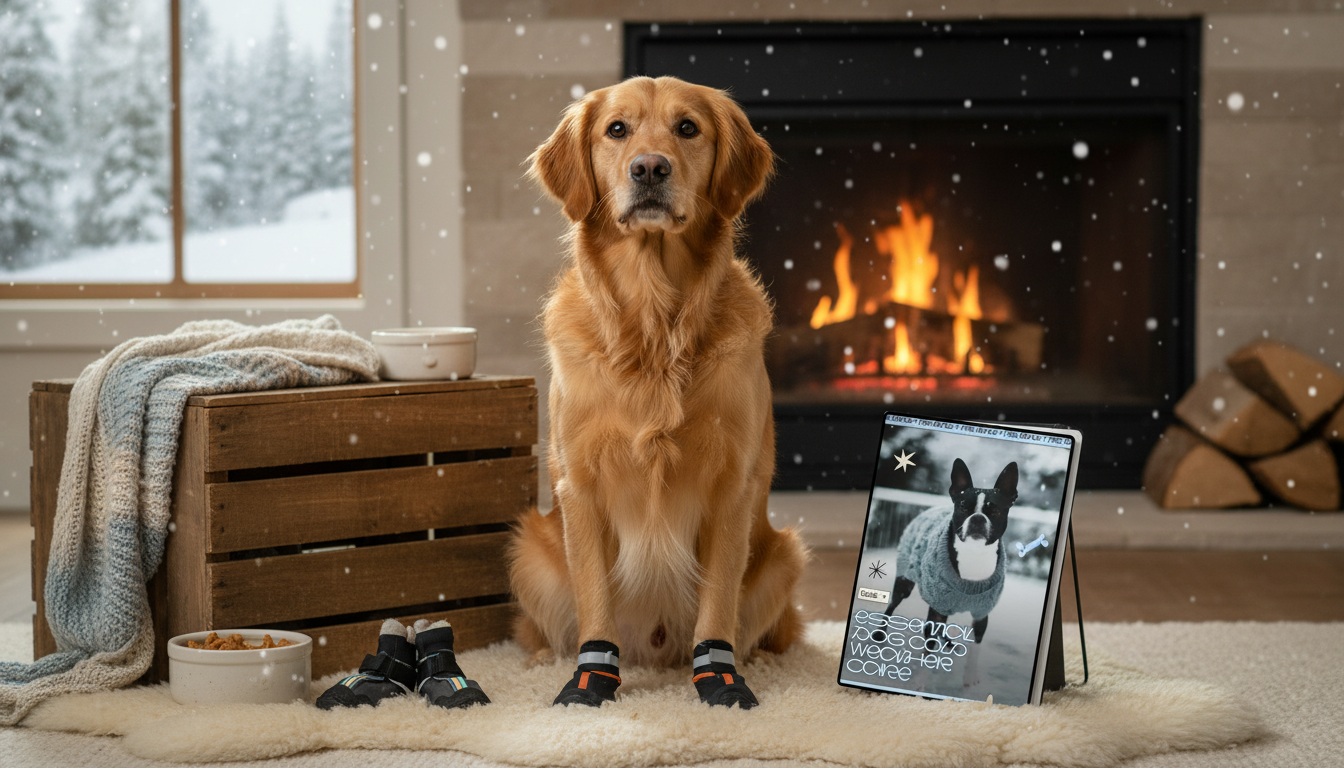
Essential Dog Cold Weather Care: Winter Safety Tips and a Printable Checklist
Cold weather can strain a dog’s paws, skin, breathing, and energy needs—especially when wind, ice melt, and shorter daylight hours are added. A few consistent routines can make winter walks safer and help your dog stay comfortable from the first frost through the last thaw. Below are practical habits for outdoor time, paw and skin care, home comfort, and seasonal hazards, plus a simple printable checklist to keep the basics on track.
Know the biggest winter risks for dogs
Winter hazards aren’t limited to “it’s cold.” The most common problems come from a mix of temperature, moisture, chemicals, and reduced visibility.
- Hypothermia and frostbite: Risk rises with wind, wet fur, low body fat, and long exposure—especially for small, short-haired, senior, and very young dogs.
- Paw pad injuries: Ice, packed snow, sharp salt crystals, and chemical de-icers can crack pads, cause irritation, or lead to small cuts.
- Dehydration: Dry winter air plus activity can reduce hydration even when it’s cold out.
- Antifreeze poisoning: Ethylene glycol is extremely toxic; even small amounts can be fatal.
- Accidents on walks: Slippery sidewalks and early darkness increase fall and traffic risks.
For additional cold-weather safety guidance, see the AVMA cold weather safety tips and the ASPCA cold weather tips.
Safe outdoor time: temperature, wind, and time limits
There’s no single “safe temperature” for every dog. Coat type, size, age, fitness, and whether the dog gets wet all matter. A good rule: shorten outings during extreme cold and rely on quick potty breaks plus indoor enrichment when conditions are harsh.
- Shorten walks in bitter weather: Swap long routes for brief, purposeful outings and add indoor play if needed.
- Watch for early cues: Shivering, lifting paws, slowing down, whining, or seeking shelter often means it’s time to head inside.
- Use appropriate layers: A coat helps short-haired, small, senior, or thin dogs; in very cold wind, a sweater under a windproof coat can add warmth.
- Supervise outdoor play: Snowdrifts can hide hazards and frozen ponds are unpredictable.
- Improve visibility: Keep ID tags on, and add reflective gear when dusk arrives early.
Cold-weather walk safety quick check
| Situation | What to do | Why it matters |
|---|---|---|
| Below-freezing temperatures and wind | Shorten the walk; add a coat; prioritize potty breaks | Wind chill increases heat loss quickly |
| Wet snow or freezing rain | Dry the dog promptly; limit exposure; avoid long outings | Wet fur loses insulation and raises hypothermia risk |
| Icy sidewalks and stairs | Choose flatter routes; slow down; consider paw protection | Slips can strain joints, especially in seniors |
| Very short daylight | Use reflective leash/harness; carry a light | Improves visibility near traffic and driveways |
| Dog shows signs of discomfort (shivering, paw lifting) | End the walk and warm up indoors | Early cues often precede more serious cold stress |
Paw and skin care: salt, ice melt, and cracked pads
Paws take the biggest beating in winter. A quick post-walk routine prevents many common issues.
- Rinse or wipe paws after walks: Remove salt and de-icing chemicals before they irritate skin or get licked off.
- Trim fur between toes: Less fur between pads reduces ice balls and improves traction.
- Consider booties when conditions are rough: They’re especially helpful for frequent walkers or dogs with sensitive pads; introduce them indoors for short sessions so they feel normal.
- Use a pet-safe paw balm: Apply before outings to reduce drying and cracking, and again afterward if pads look dry.
- Check for damage: Redness, bleeding, limping, or excessive licking can signal irritation or small cuts that deserve attention.
Home warmth and indoor comfort
Winter comfort isn’t only about turning up the heat; it’s about avoiding drafts, staying consistent, and preventing accidents.
Winter health basics: food, hydration, and activity
Toxic and seasonal hazards to avoid
More seasonal safety reminders are also available from the AKC winter safety tips.
Printable winter care checklist and quick-start routine
Consistency is the best winter “hack.” A quick routine keeps small problems—like salt irritation or stiffness— from turning into bigger issues. For a ready-to-print tool, see the Printable winter dog safety guide and checklist.
Winter-ready picks (helpful add-ons)
- Essential Dog Cold Weather Care – Winter Dog Safety Guide, Cold Weather Tips for Dogs, Printable Pet Care eBook & Checklist for Winter Health (printable routines you can keep by the door or fridge).
- High-Brightness Rechargeable Waterproof Bike Headlight (useful for early-dark walks and checking icy patches ahead).
- 10W Dual USB Fast Charger Adapter for Smartphones & Travel Use (handy for keeping a phone and safety light charged during storms or outages).
FAQ
How can frostbite or hypothermia be recognized in dogs?
Common warning signs include shivering, weakness, lethargy, slow breathing, and very cold skin; frostbite may show pale or bluish skin on ears, paws, or tail and can blister later. Move indoors, warm your dog gradually with dry towels/blankets (not hot water), and contact a veterinarian promptly if symptoms persist or skin looks discolored.
Are booties necessary for winter walks?
Booties are most helpful for dogs exposed to rock salt/ice melt, frequent long walks, deep snow, or already-cracked pads. If booties aren’t a fit, use pet-safe paw balm, choose less-salted routes, and wipe or rinse paws after every walk; acclimate booties with short indoor practice and rewards.
What should be done if a dog licks rock salt or antifreeze?
For rock salt, rinse your dog’s mouth and paws and offer water; watch for drooling, vomiting, or continued paw licking and call your veterinarian if symptoms develop. For suspected antifreeze exposure, treat it as an emergency and contact a veterinarian or pet poison resource immediately—don’t wait for symptoms.










Leave a comment