Best Smart Self-Cleaning Closed Litter Box for Multi-Cat Homes
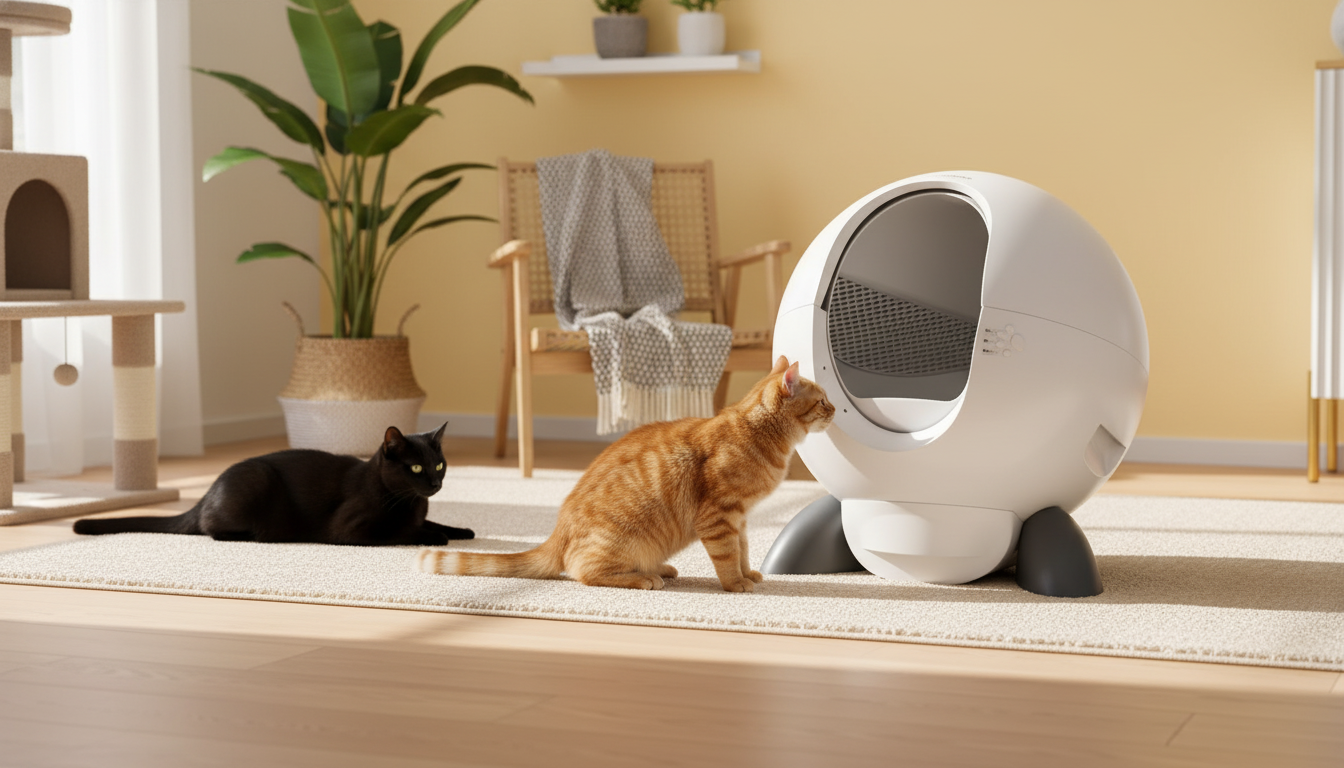
Smart Self-Cleaning Closed Litter Box for Multi-Cat Homes
Multi-cat households need faster scoop cycles, stronger odor control, and better tracking than a standard pan can offer. A smart, enclosed, automatic litter box aims to keep the area cleaner between deep cleans while reducing daily maintenance and helping spot changes in bathroom habits.
Why multi-cat homes benefit from an enclosed automatic box
When two or more cats share the same bathroom zone, small issues add up quickly: clumps sit longer, odors build faster, and one picky cat can decide the box is “too dirty” before anyone notices. An enclosed self-cleaning unit tackles the biggest pain points that show up in busy homes.
- Cuts down on frequent manual scooping by removing clumps after each visit or on a schedule.
- Helps contain odors inside the enclosure and waste drawer between cleanouts.
- Reduces litter scatter and tracking compared with open trays (especially for energetic diggers).
- Supports cleaner shared-use by multiple cats, which can reduce refusal due to dirty litter.
- Can offer usage insights that make it easier to notice sudden behavior changes.
If litter box avoidance or house-soiling is already a concern, it’s worth reviewing behavior and medical guidance from reputable sources like the American Veterinary Medical Association (AVMA) and the Cornell Feline Health Center.
Product overview: Smart Self-Cleaning Automatic Closed Cat Litter Box
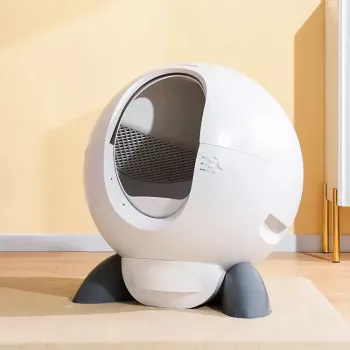
The Smart Self-Cleaning Automatic Closed Cat Litter Box for Multi-Cat Homes is designed for households that want a tidier litter area with fewer scoop sessions. Its enclosed profile supports privacy and helps keep mess and odor more contained—especially helpful when the litter box sits in a shared room like a laundry area or mudroom.
- Enclosed design for added privacy and better odor containment in shared spaces.
- Automatic cleaning helps keep the litter bed fresher for multiple cats using the same unit.
- Smart features can support routine consistency and help monitor usage patterns.
- Designed to reduce daily upkeep while keeping the waste area separated from the litter bed.
- Best suited for households that want less mess near the litter area and fewer scoop sessions.
At-a-glance details
| Detail | Value |
|---|---|
| Product | Smart Self-Cleaning Automatic Closed Cat Litter Box for Multi-Cat Homes |
| Price | 1440.49 USD |
| Availability | In stock |
| Product page | View product |
Helpful add-ons from the same store
If the litter box area is in a garage, basement, or dim hallway, a brighter setup can make checks and cleanouts easier. A compact charger can also help keep nearby devices powered (timers, small fans, or phones used for household tasks).
- High-Brightness Rechargeable Waterproof Bike Headlight (handy as a portable light for quick inspections)
- 10W Dual USB Fast Charger Adapter for Smartphones & Travel Use (useful for a small charging station nearby)
Daily use in a busy household
Automatic boxes work best when the routine is predictable and the location feels safe for every cat in the home. A few setup choices can make the difference between smooth adoption and ongoing hesitation.
- Place it in a low-traffic, quiet spot so multiple cats feel safe entering and exiting.
- For the first week, run cleaning cycles after cats leave the area to avoid startling sensitive cats.
- Keep an extra bag/liner on hand so waste drawer changes are quick and consistent.
- Top off litter on a routine; automatic boxes still need the correct fill level to work well.
- Maintain at least one additional litter option during the transition, especially with multiple cats.
A practical rule for many multi-cat homes is to introduce the new box as an “upgrade,” not a sudden replacement. Let the household keep familiar options available while the automatic unit becomes the cleanest, most attractive choice.
Odor control and cleanliness: what matters most
For multi-cat odor control, the big wins come from shortening the time waste sits exposed and limiting where smells can spread. An enclosed automatic box helps, but performance still depends on habits and maintenance.
Odor-control checklist
| Factor | What to do | How often |
|---|---|---|
| Cleaning cycles | Use automatic cycles after visits or at short intervals | Daily |
| Waste drawer | Empty before it overfills; replace liner if used | Every few days (varies by cats) |
| Litter level | Top up to the recommended line to ensure proper cycling | 1–3 times per week |
| Surface wipe-down | Wipe entry area and interior contact points | Weekly |
| Full refresh | Replace litter and wash removable parts if applicable | Monthly or as needed |
Safety and comfort for multiple cats
If a cat suddenly avoids the box, urinates outside it, or shows signs of discomfort, it can be behavioral or medical. The ASPCA’s litter box guidance is a helpful starting point for troubleshooting alongside veterinary advice.
Care routine and long-term upkeep
When it’s worth the upgrade
FAQ
How many cats can use one automatic litter box?
It depends on cleaning frequency, the size of the waste drawer, and your cats’ size and habits. In multi-cat homes, monitor traffic and odor closely at first, and keep an additional litter box available to reduce crowding and resource guarding.
Do enclosed self-cleaning litter boxes reduce odor better than open boxes?
Often, yes—enclosure plus faster clump removal can noticeably reduce odor between cleanouts. Results still depend on using a good clumping litter, emptying the waste drawer on time, and keeping basic room ventilation.
How long does it take cats to adjust to an automatic litter box?
Many cats adjust within a few days, but sensitive cats may take a few weeks. Start with the unit powered off so it’s just a “new box,” then enable cleaning on a schedule when cats are out of the area until they’re comfortable.









Leave a comment