Vibration Plate Workouts at Home: 99 Speeds + Massage
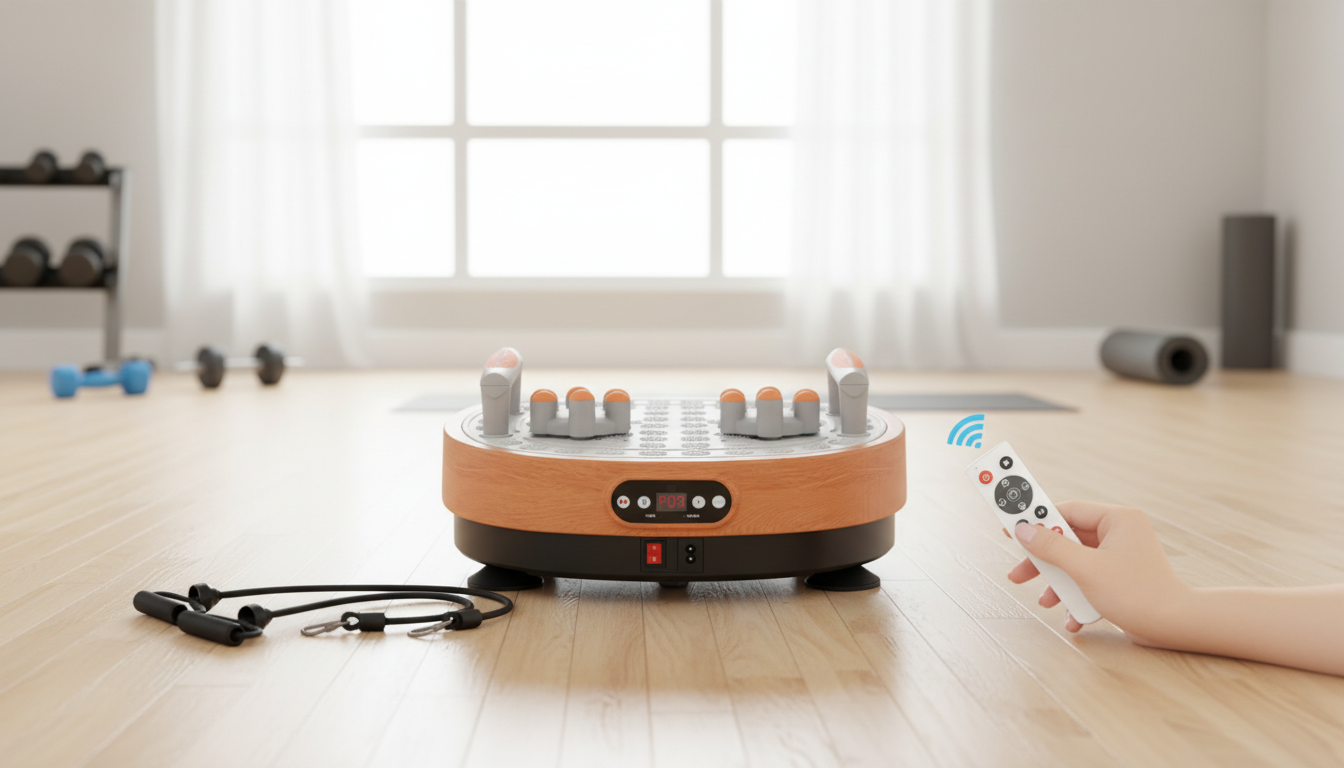
Whole Body Vibration Training at Home: Why It Feels So Effective
A vibration plate can turn short sessions into full-body training by pairing rhythmic vibration with simple holds, squats, and stretches. With massage support and a wide range of speed levels, it’s easier to tailor intensity for warm-ups, conditioning, and recovery—especially when time and space are limited. Used consistently, it can make basic bodyweight positions feel more challenging without needing a full rack of equipment.
What a Vibration Plate Does During Training
Whole body vibration training works by creating rapid, small movements under your feet (or hands), which encourages your muscles to contract and stabilize. That “extra” stabilization demand is what makes simple positions—like a half squat or plank—feel more intense.
- Creates rapid, small movements that prompt muscles to contract and stabilize, adding load to basic bodyweight positions.
- Helps increase time-under-tension for legs, glutes, core, and upper body when paired with planks, squats, lunges, and push-up holds.
- Can complement fat-loss routines by supporting consistent, repeatable sessions alongside nutrition and regular activity.
- Massage-style programs may be used for cooldowns, light movement, and circulation-focused recovery.
If you’re tracking effort, it helps to use a simple intensity check like the talk test or perceived exertion so you can progress without overdoing it. The CDC’s overview on measuring exercise intensity is a practical reference for pacing sessions: Exercise intensity: how to measure it.
Massage + 99 Speed Levels: How to Use the Range
The advantage of having many speed levels is control. Instead of guessing “easy vs. hard,” you can dial in a setting that matches your goal for the day—warm-up, strength holds, short conditioning intervals, or a calmer recovery session.
- Lower speeds work well for warm-ups, mobility drills, and learning balance and posture on the platform.
- Mid-range speeds suit steady holds (half-squat, wall sit, plank) and controlled strength moves with good form.
- Higher speeds are best reserved for shorter intervals and stable positions where joints stay aligned.
- Massage settings can be placed after workouts or on rest days to encourage relaxed movement and reduce perceived stiffness.
- Progress by time and form first; increase speed only when positions remain stable and breathing stays controlled.
Speed-level guide for common goals
| Goal | Suggested speed range | Session style | Example moves |
|---|---|---|---|
| Warm-up & mobility | Low | 5–8 min continuous | Calf raises, hip hinges, gentle hamstring stretch |
| Strength & tone | Mid | 6–12 min intervals | Half-squat holds, lunges, plank hold |
| Conditioning | Mid to high | 30–45 sec on / 15–30 sec off | Squat pulses, high plank, alternating lunges |
| Recovery / massage | Low to mid | 8–15 min easy | Relaxed stance, light stretching, breathing drills |
A Simple Fat-Burning Routine (Beginner to Intermediate)
This structure keeps things straightforward: warm up, hit two short circuits, then cool down. Keep your first week intentionally conservative so you can build consistency.
- Warm-up (5 minutes): low speed; easy stance + calf raises + gentle hip hinges.
- Circuit A (8–10 minutes): 3 rounds of 30–40 sec work / 20 sec rest—half squat hold, forearm plank (hands on plate if stable), glute bridge with feet on plate.
- Circuit B (6–8 minutes): 2–3 rounds—alternating reverse lunges, wall sit (plate optional), push-up hold with hands on plate (or elevated hands on a stable surface).
- Cooldown (5–8 minutes): low speed or massage mode; relaxed stance, quad/hamstring stretches, deep breathing.
- Frequency: 3–5 sessions per week, leaving a rest day if soreness is high or form degrades.
For broader weekly targets that support fat loss and health, it’s helpful to pair these sessions with regular walking and resistance training. The U.S. guidance is summarized here: Physical Activity Guidelines for Americans (2nd edition).
Safety, Comfort, and Best Practices
- Start with shorter sessions (10–15 minutes) and build gradually; too much intensity too soon can increase soreness and reduce consistency.
- Keep knees softly bent when standing to reduce joint stress; avoid locking knees.
- Maintain a stable stance and neutral spine; reduce speed if balance becomes shaky.
- Use supportive footwear if preferred; some users choose barefoot for stability, but comfort and control come first.
- Avoid use if vibration exercise is not advised by a clinician (common examples include certain pregnancy situations, recent surgery, acute injury, or implanted medical devices).
Who This Type of Vibration Plate Fits Best
Product Snapshot: Whole Body Vibration Plate with Massage & 99 Speed Levels
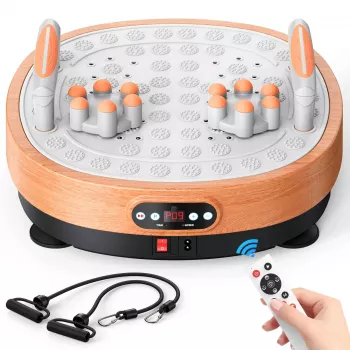
If you want one platform that can cover warm-ups, strength-style holds, and short conditioning intervals, Whole Body Vibration Plate with Massage & 99 Speed Levels for Fat Burning is built around adjustability. The wide speed range makes it easier to keep progressing by improving stability and time-under-tension first, then adding intensity.
Quick overview
| Item | Details |
|---|---|
| Name | Whole Body Vibration Plate with Massage & 99 Speed Levels for Fat Burning |
| Price | $129.01 |
| Availability | In stock |
| Best for | Home workouts, interval circuits, warm-up and recovery |
More In-Stock Picks (Same Store)
- Cactus Cat Tree Tower with Scratching Post & Condo Nest
- Alviero Martini Prima Classe Women’s Beige Bag with Zip
FAQ
How long should a vibration plate session be for fat loss?
Beginners often do well with 10–15 minutes, while many people build to 15–25 minutes per session. For intervals, use 20–40 seconds per move and focus on consistency, overall calorie balance, and pairing sessions with walking and strength training.
Are higher speed levels always better?
No—form and stability matter more than speed. Higher levels are best for shorter sets in positions you can hold without wobbling, and it’s smarter to progress time and control first before increasing speed.
Can massage mode replace workouts?
Massage mode is better for cooldowns and light recovery, not replacing training that requires muscular effort. Use it after workouts or on rest days to support relaxed movement and reduce perceived stiffness.









Leave a comment