Senior Cat Care at Home: Comfort, Mobility & Calm
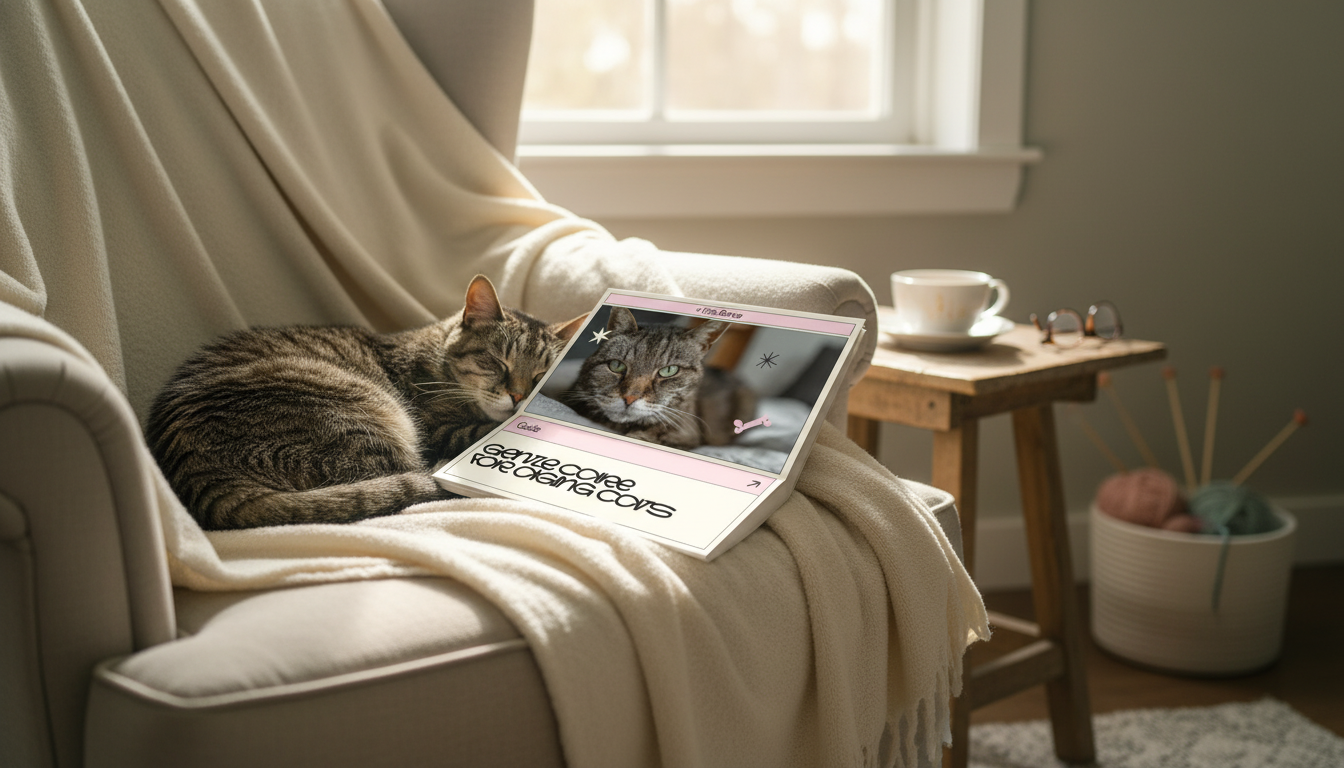
Gentle Care for Aging Cats: Comfort, Health, and Emotional Support at Home
Aging cats often need small, thoughtful changes to stay comfortable and confident at home. Supporting a senior cat is less about doing everything at once and more about removing daily friction—making it easier to eat, drink, move, groom, rest, and feel secure. Below are practical ways to help with mobility, appetite, hydration, grooming, mental well-being, and routines, along with clear signs that it’s time to call the veterinarian.
How Aging Changes a Cat’s Daily Needs
Many senior cats still look “fine” at a glance, but their habits quietly shift. Common changes include reduced jump height, stiffness after resting, sleeping more, subtle changes in appetite or thirst, and increased sensitivity to noise or handling. Some cats hide more, avoid stairs, hesitate at the litter box, or become irritable when touched in specific areas (often hips, lower back, or shoulders).
Early adjustments matter because reducing strain helps prevent slips and falls, keeps routines predictable, and lowers stress. A simple weekly snapshot—weight, appetite, water intake, litter box output, mobility, and mood—can highlight trends before they become emergencies.
Creating a Senior-Friendly Home Setup
A senior-friendly layout is about reducing “cat obstacles.” If possible, keep food, water, litter, and favorite resting spots on the same floor so your cat doesn’t have to tackle stairs multiple times a day. Add gentle access with low steps or ramps to beds and sofas, and use non-slip runners on slick floors so walking feels safe again.
Warmth and joint comfort can be especially soothing. Pet-safe heated pads (used according to manufacturer guidance), draft-free beds, and thicker bedding help cushion pressure points. To reduce startle stress, keep walkways clear, add night lights for evening navigation, and avoid sudden furniture rearranging that can make an older cat feel disoriented.
Quick Home Adjustments and the Problem They Solve
| Home change | Helps with | Simple setup tip |
|---|---|---|
| Non-slip rugs or runners | Slipping, fear of walking on hard floors | Place along common routes: bed → litter → food |
| Low-entry litter box | Arthritis, hesitation, accidents | Cut one side of a plastic storage bin; smooth edges |
| Raised food and water bowls | Neck stiffness, nausea from bending | Use a stable stand; keep bowls wide and shallow |
| Extra water stations or fountain | Low thirst drive, kidney support | Place away from food and litter; refresh daily |
| Pet steps/ramps | Reduced jumping, fall prevention | Choose non-slip surfaces; anchor so they don’t wobble |
If your cat has a favorite perch, consider a stable, easy-to-climb structure that encourages stretching without requiring big jumps. A compact option like the Cactus Cat Tree Tower with Scratching Post & Condo Nest can provide a familiar scratch-and-rest zone while helping keep movement gentle and predictable.
Nutrition and Hydration for Comfort and Strength
Senior cats often do best with meals that are easy to chew, easy to digest, and appealing. Warming wet food slightly can boost aroma and interest. Smaller, more frequent meals may reduce nausea and help cats with lower appetite finish enough calories. Consistent feeding times also add a reassuring rhythm to the day.
Hydration is a cornerstone of senior comfort—especially for cats prone to kidney issues. Add a bit of water to wet food, offer pet-safe broths, and set out multiple bowls so drinking doesn’t require a long walk. Many cats drink more when water is placed away from food and litter and refreshed daily.
Watch body composition, not just the scale. Seniors can lose muscle while their weight looks stable; you may notice less “strength” in the back legs, a sharper spine, or a bony feel at the hips. Treats can still be part of bonding—choose soft, easy-to-chew treats and avoid high-salt human foods. If your cat refuses food for 24 hours, vomits repeatedly, or drops weight quickly, contact a veterinarian promptly.
Litter Box Comfort: Reducing Accidents and Anxiety
Mobility, Joint Care, and Gentle Movement
Grooming, Skin, and Coat Support
Emotional Support and Cognitive Changes
Cognitive aging can look like vocalizing at night, confusion, staring, or getting stuck in corners. Enrichment should be simple and calming: easy-level puzzle feeders, window views, scent-based games, and gentle alternatives to strong catnip if sensitivity has increased. Sudden behavior changes should always be treated as medical until proven otherwise, as pain, thyroid disease, hypertension, and other conditions can mimic “just getting older.” Trusted references include the American Association of Feline Practitioners (AAFP), the Cornell Feline Health Center, and International Cat Care.
A Simple Weekly Check-In to Catch Issues Early
Helpful Tools That Make Senior Care Easier
For a structured, room-by-room approach, the Gentle Care for Aging Cats – A Practical Guide to Senior Cat Care at Home | Comfort, Health & Emotional Support can help you set up practical routines and track changes in comfort, appetite, and mobility over time.
FAQ
How can arthritis be recognized in an older cat at home?
Common at-home clues include reduced jumping, stiffness after rest, litter box hesitation, decreased grooming (especially along the back), and irritability or flinching when touched in sore areas. A veterinarian should confirm arthritis and discuss safe treatment options—never give human pain medications to cats.
What home changes help a senior cat feel safer and more comfortable?
Create non-slip walking paths, use a low-entry litter box, keep food and water easy to reach, add warm cushioned bedding, and provide stable ramps or steps to favorite spots. Night lights and keeping furniture layouts consistent can also reduce stress and confusion.
When should a senior cat be taken to the veterinarian right away?
Seek urgent care if your cat isn’t eating for 24 hours, has trouble breathing, vomits repeatedly, becomes suddenly weak or collapses, strains to urinate, has blood in urine or stool, seems in severe pain, or loses weight rapidly.











Leave a comment