3x3m Waterproof Sunshade Tarp Shelter for Camping
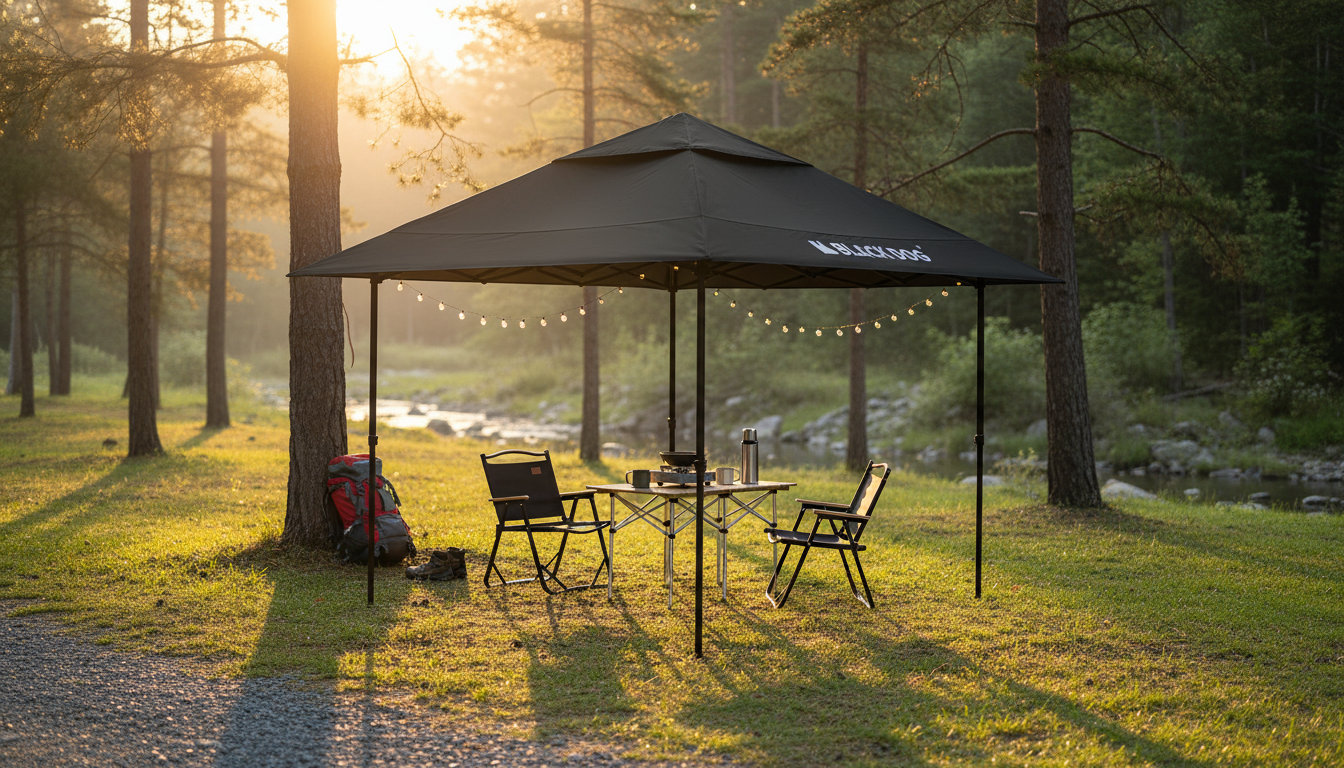
Outdoor 3×3m Sunshade Gazebo Awning Parasol for Camping: Waterproof Tarp Shelter for Flexible Shade
A 3×3m tarp-style gazebo can turn an exposed campsite into a comfortable base—creating shade for cooking, a dry spot for gear, and a sheltered place to relax when the weather changes. This guide breaks down how a waterproof sunshade tarp shelter works, where it fits best, and what to check before setting it up outdoors.
What this 3×3m sunshade tarp shelter is designed to do
A 3×3m waterproof tarp shelter is built around one idea: flexible coverage that adapts to your site. Unlike rigid pop-up canopies, a tarp can be pitched higher for headroom, lowered for wind, or angled for better shade as the sun moves.
- Create a shaded living area beside tents, vans, or picnic tables without needing a fixed structure.
- Act as a rain-ready cover for camp kitchens, seating areas, or equipment staging.
- Work as an awning-style extension when pitched off a vehicle, cabin wall, or between poles/trees.
- Provide a single shelter option that can be re-pitched into multiple shapes as wind and sun shift.
For hot, exposed days, shade is more than comfort—it can reduce heat load during outdoor activity. For practical guidance on heat risk and precautions, see the CDC/NIOSH heat stress resources.
Ideal use cases at camp, beach, and backyard
A 3×3m footprint hits a sweet spot for many trips: large enough to cover a small group’s “hangout zone,” yet compact enough to set up quickly on irregular ground. It works especially well when you want a shelter that can be moved or re-angled during the day.
- Basecamp shade: cover a dining area so meals and breaks stay comfortable during peak sun.
- Rain management: keep frequently accessed items (cooler, firewood, bags) under a dry canopy.
- Day trips: set up a quick sun cover at the beach or park with a small footprint.
- Overlanding and tailgating: pitch as a side awning for entry/exit points and gear organization.
- Backyard overflow: provide temporary cover during outdoor gatherings without permanent installation.
Quick match: conditions and recommended pitch
| Condition | Goal | Suggested setup approach |
|---|---|---|
| Strong sun | Maximize shade | Lower pitch with one side angled down to block glare |
| Light rain | Keep area dry | High center with a clear slope for runoff; avoid flat roof |
| Windy site | Reduce flapping | Lower profile; use more tie-outs and stronger anchors |
| Mixed sun + breeze | Comfort zone | Asymmetric pitch to block sun direction and vent wind |
Key features to look for in a waterproof camping tarp shelter
Not all “waterproof” tarps behave the same in real weather. Performance comes from a combination of fabric, construction, and how you pitch it.
- Coverage size: 3×3m suits small groups; confirm the usable shaded footprint depends on pitch angle and sun position.
- Waterproofing: seams and fabric coating matter as much as the label; a good pitch that encourages runoff is part of the system.
- Reinforced tie-out points: stronger corners and webbing loops help prevent tearing under sustained tension.
- Hardware compatibility: ensure it can be used with trekking poles, dedicated poles, or existing guyline kits.
- Packability: consider packed size and weight for car camping vs. hike-in trips.
For sun protection basics—especially when shade is limited—review practical prevention guidance from the Skin Cancer Foundation.
Setup fundamentals for a stable, dry pitch
A tarp shelter is only as good as its anchors and geometry. Small adjustments—especially adding slope—make the difference between a dry, quiet canopy and one that pools water or snaps lines.
If thunderstorms are possible, treat any open shelter as a comfort feature—not a lightning solution. Follow the National Weather Service lightning safety recommendations and move to proper shelter when needed.
Care, storage, and longevity in outdoor conditions
At-a-glance overview of the Outdoor 3×3m Sunshade Gazebo Awning Parasol
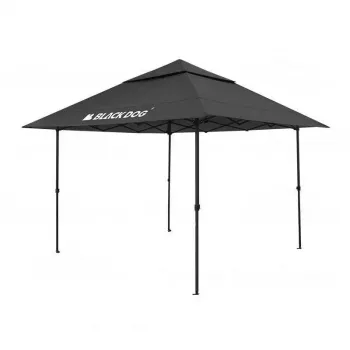
If you want a flexible shelter that can function as a gazebo-style shade, a vehicle awning extension, or a rain-ready canopy (when pitched with slope), the Outdoor 3x3m Sunshade Gazebo Awning Parasol for Camping, Waterproof Tarp is designed for adaptable setups across common outdoor scenarios.
For travel and day-trip organization, a compact personal item can help keep small essentials accessible and protected while you move between shade and water access points. If you want an extra carry option in the same store, consider the Alviero Martini Prima Classe Women’s Beige Bag with Zip.
Basic product checklist (before the first trip)
| Item to confirm | Why it matters | What to prepare if missing |
|---|---|---|
| Poles or supports | Determines height and pitch options | Trekking poles or adjustable tarp poles |
| Guyline length | Controls tension and storm-worthiness | Add longer reflective cord for flexibility |
| Stakes/anchors | Prevents lift and shifting | Sand/snow anchors or heavier-duty stakes |
| Repair items | Extends lifespan after small damage | Patch kit, spare cord, small carabiners |
FAQ
Can a 3×3m waterproof tarp be used in heavy rain?
Yes, if it’s pitched for runoff: keep a strong slope, avoid a flat “roof,” and use solid anchors with even tension. In heavier weather, lower the profile and re-check guylines as the fabric relaxes.
How do you stop a sunshade tarp from flapping in the wind?
Lower the shelter, aim the lowest edge into the wind, and add more tie-outs so the load is shared across multiple points. Upgrading stakes/anchors for the ground type and using elastic tensioners where appropriate can also reduce sudden snaps.
What size area does a 3×3m canopy actually shade?
The shaded footprint varies with pitch height and the sun angle: a higher pitch increases headroom but can shrink shade on the ground. An angled pitch often blocks low sun better in the morning or late afternoon.










Leave a comment