Heated Cat House Overnight: Safety, Setup & Risks
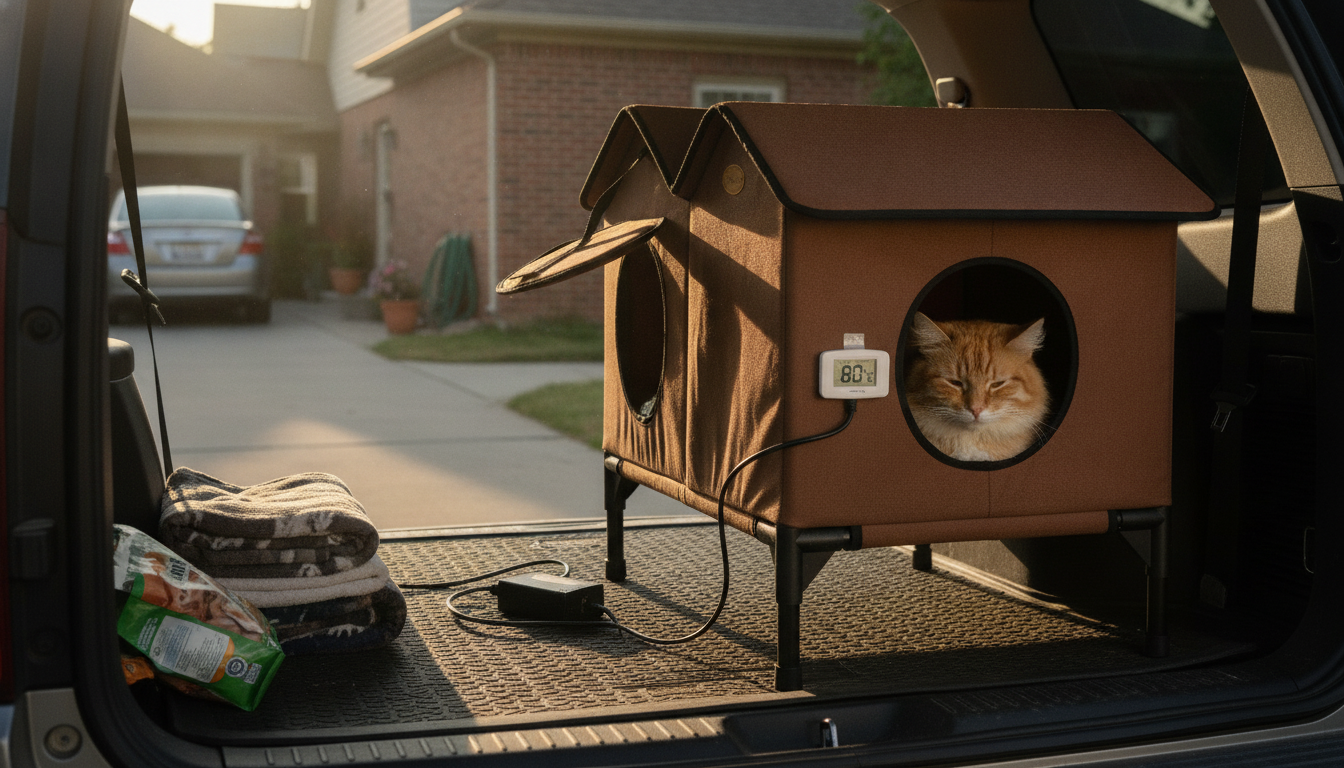
Is it safe to leave a heated cat house on all night?
Yes—leaving a heated outdoor cat house on all night can be safe when the unit is designed for continuous use and it’s set up correctly. The biggest factors are using a pet-rated heater (not a space heater), keeping moisture out, protecting the cord, and choosing a model with built-in temperature control so it warms only when needed.
Most quality heated cat houses and pads are low-wattage and thermostat-regulated, meaning they’re intended to run for long stretches without overheating. That’s especially important overnight, when temperatures drop and outdoor cats are least able to move to a warmer spot quickly.
What makes overnight use safer?
Start with the power source and the heating element. Look for a weather-resistant heated pad or floor that’s specifically labeled for outdoor pet use, with a chew-resistant cord and safety certifications. Thermostatic control is a must; it prevents the heater from running full blast all night and helps keep the interior at a pet-safe, stable warmth.
Next, focus on placement. Keep the house on a dry, raised surface so melting snow and puddles don’t seep in. Face the entrance away from prevailing wind, and avoid stuffing the house with thick blankets that can trap moisture; straw is often a better insulation choice for outdoor shelters.
Common overnight risks (and how to avoid them)
The most common problems aren’t the heater itself—they’re the setup. Protect the plug connection from rain, use an outdoor-rated extension cord only if necessary, and secure cords where they won’t be pinched by doors or chewed. Check the house regularly for damp bedding, cracked cords, or shifting insulation that blocks ventilation.
When you should not leave it on
Don’t run a heated cat house overnight if the heater isn’t rated for outdoor pets, if the cord is damaged, if the unit gets wet inside, or if you’re using improvised heat sources (like heating blankets or human pads). If you’re caring for multiple cats, ensure the shelter size and heat source match the occupancy so cats aren’t forced to crowd the heater.
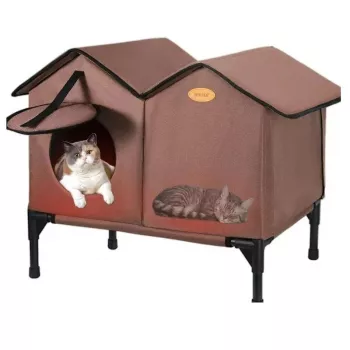
For a deeper look at choosing and setting up a winter-ready option, see this guide to a heated outdoor cat house for multiple cats.
FAQ
What temperature is too cold for an outdoor cat?
Below about 45°F, many cats start seeking extra warmth, and near freezing the risk of hypothermia and frostbite rises quickly—especially for kittens, seniors, and thin or sick cats. A draft-free shelter with insulation and safe heat helps most when temperatures drop into the 30s and lower.









Leave a comment