Cat-Safe Cleaning Checklist: Low-Fume, Low-Residue Home
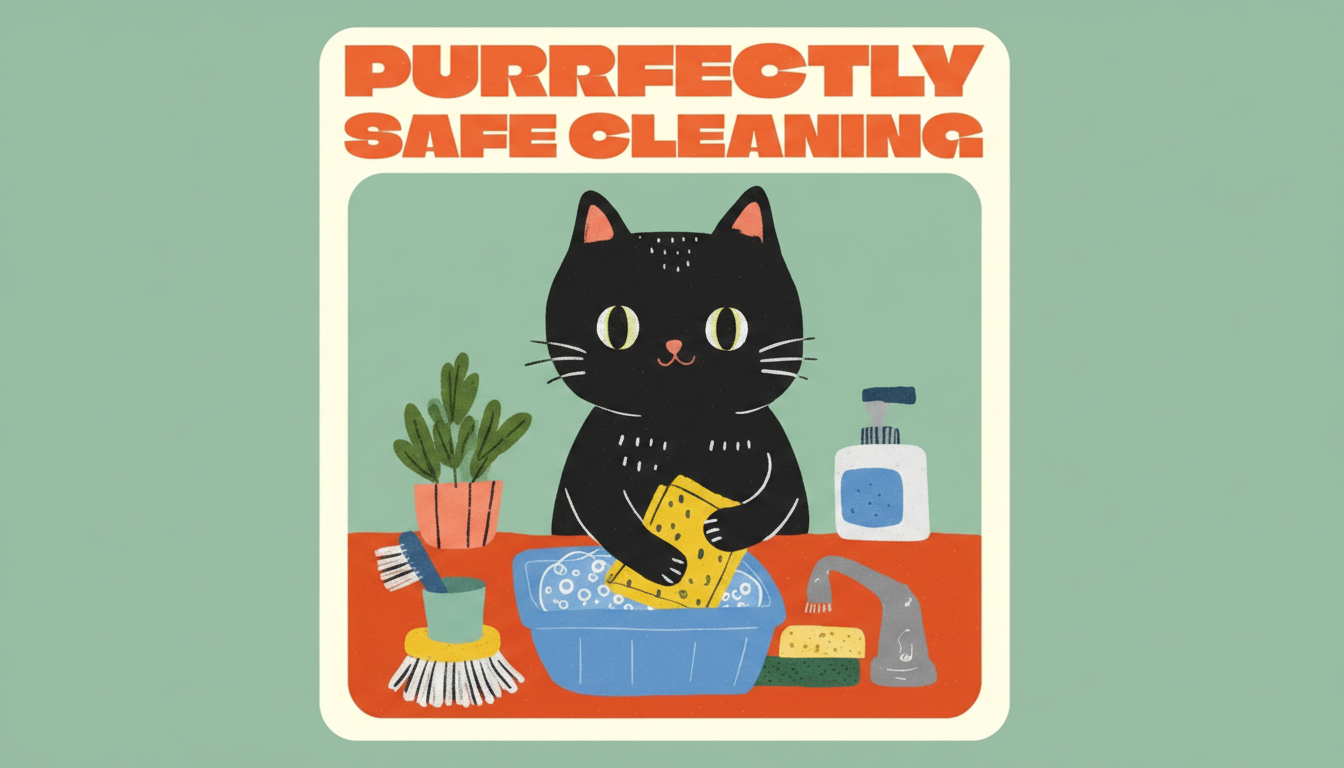
Cats groom constantly and explore with paws and noses, which makes everyday cleaning choices more important than many owners realize. A simple, repeatable checklist helps reduce exposure to irritating fumes, residues, and essential oils while still keeping floors, counters, litter areas, and fabrics truly clean. This guide breaks down practical product swaps, safe routines, and a room-by-room workflow that fits real life—plus a printable checklist to make safer cleaning automatic.
Why cleaning products affect cats differently
Cats don’t just “live around” what gets cleaned—they walk on it, rub against it, then lick their paws and fur. That means residues left behind on floors, windowsills, and low shelves can be ingested gradually, even when a product seems fine for people.
Feline airways can also be more reactive to fumes from strong fragrances, aerosols, and disinfectants, especially in small bathrooms or rooms with limited airflow. On top of that, cats can be more sensitive to certain compounds in essential oils and some disinfectants (including phenolic ingredients). Safer cleaning isn’t about achieving a perfect chemical-free home; it’s about lowering the highest risks with better ventilation, simpler formulas, and smart “keep off wet surfaces” boundaries.
High-risk cleaners and exposure points to watch for
- Aerosol sprays and foggers: higher inhalation risk; consider pump sprays, wipes, or diluted solutions applied to cloths.
- Bleach and ammonia: never mix; strong fumes can irritate; store securely and rinse surfaces thoroughly.
- Phenol-based disinfectants: read labels; avoid phenols or “heavy-duty disinfectants” that don’t clearly disclose ingredients.
- Essential oils: “natural” doesn’t equal safe; avoid diffusers and be cautious with pine, tea tree, citrus, clove, peppermint, and wintergreen oils.
- Concentrates and pods: keep out of reach in closed cabinets; cats may chew packaging.
- Wet floors and freshly treated fabrics: residue transfers to paws and coats before items are fully dry.
Cat-friendly cleaning principles that work in any home
- Ventilation first: open windows, run fans, and clean in stages to reduce airborne irritants.
- Apply to the cloth, not the air: spray onto a microfiber cloth rather than misting around the room.
- Rinse where it matters: food areas, counters, floors near bowls, and surfaces cats lick (windowsills, low shelves).
- Dry-time boundaries: keep cats out until surfaces are fully dry; use baby gates or a closed door.
- Secure storage: add childproof latches if needed; store refills and concentrates in closed cabinets.
- Spot-test and dilute: follow label dilution; avoid “extra-strong” mixes that leave more residue behind.
Room-by-room checklist for safer cleaning
Kitchen
Choose mild, fragrance-free cleaners for counters and tables, then rinse food-prep zones with water. Wipe around feeding stations daily, and keep degreasers, dishwasher tabs, and rinse aids locked away.
Bathroom
Ventilate heavily and limit bleach use to situations that truly require it. Store toilet bowl cleaners securely, close the lid after use, and block paw access to wet floors until fully dry.
Floors
Go for low-residue products and use less solution than you think you need. Rinse mop heads well, and keep cats off until the floor is fully dry. Pay extra attention to entryways where outdoor residues can get tracked in.
Living areas
Laundry
Litter zone
Windowsills and low ledges
Plants and diffusers
Quick reference: common cleaners and safer swaps
| Cleaning task | Higher-risk option | Cat-friendlier approach | Important notes |
|---|---|---|---|
| Floor mopping | Strongly scented multipurpose cleaner | Low-fragrance or fragrance-free floor cleaner applied sparingly | Keep cats off floors until fully dry; rinse if residue remains |
| Kitchen counters | Heavy degreaser spray | Mild cleaner on a cloth + water rinse | Rinse food-prep zones and around bowls |
| Bathroom disinfecting | Bleach-based spray in closed room | Ventilated cleaning in stages; targeted disinfectant use | Never mix bleach with ammonia; ventilate thoroughly |
| Air freshening | Aerosol freshener, scented candles | Fresh air, HEPA vacuuming, laundering fabrics | Avoid essential oil diffusion in cat areas |
| Carpet deodorizing | Scented powders | Vacuum + spot clean with minimal residue | Powders can cling to paws and be ingested during grooming |
Using a printable checklist to build consistent habits
For an easy, repeatable system, use Purrfectly Safe Cleaning: A Cat-Friendly Checklist (digital download) as a weekly plan plus a quick safety scan.
Daily comfort tip: pair cleaner floors with a dedicated cat zone
If your cat has a predictable, cozy place to climb and lounge, it’s easier to keep them out of freshly cleaned areas without stress. A stable perch like the Cactus Cat Tree Tower with Scratching Post & Condo Nest can help redirect paws and naps away from “just mopped” floors and treated fabrics while your home airs out.
If exposure happens: what to do right away
Call your veterinarian or a poison resource promptly with the product name and exposure details. Helpful references include the ASPCA Animal Poison Control Center and Pet Poison Helpline. For prevention guidance, the AVMA household hazards page is also useful.
Digital download: Purrfectly Safe Cleaning checklist
Find it here: Purrfectly Safe Cleaning: A Cat-Friendly Checklist (digital download).
FAQ
Are essential oils safe to use around cats for cleaning or freshening?
Cats can be especially sensitive to essential oils, including exposure from diffusers, sprays, and residues on fabrics they sleep on. Avoid diffusing oils in cat areas and choose unscented, low-residue cleaning methods plus ventilation for freshening.
What should be cleaned and rinsed most carefully in a cat home?
Rinse food and water areas, floors near bowls and the litter box, low surfaces cats walk on, windowsills, and bedding. When in doubt, rinse and fully dry—those two steps cut down residue transfer during grooming.
How long should cats stay away from freshly cleaned rooms?
Keep cats out until surfaces are completely dry and the odor has dissipated. For stronger products or smaller, poorly ventilated rooms, wait longer and clean in stages so your cat can stay comfortable in a separate, aired-out space.








Leave a comment