
Wheat Straw vs Plastic: Is It Really Better?
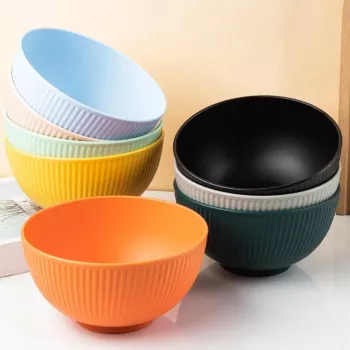
Is wheat straw as bad as plastic?
Wheat straw products generally aren’t “as bad as plastic,” but they’re not automatically guilt-free either. The big difference is what they’re made from and what happens at the end of their life. Wheat straw dinnerware is typically made from leftover agricultural fiber (the stalks left after harvesting wheat) blended with a binder—often a food-safe plastic such as polypropylene or a plant-based resin. That means it can reduce the amount of new, petroleum-based plastic needed, but it may still contain plastic and won’t always be compostable.
Where wheat straw can be better
When wheat straw replaces a portion of conventional plastic, it can lower reliance on virgin plastic and make use of a byproduct that would otherwise be discarded or burned. In everyday use, wheat straw bowls and plates are also designed to be reusable and durable, which can be an upgrade over disposable plastics. If you’re choosing between a single-use plastic plate and a sturdy wheat straw bowl you’ll use hundreds of times, the reusable option usually wins on waste reduction.
Where wheat straw can be similar to plastic
Many wheat straw items are “biocomposite” materials, meaning they behave like plastic in recycling and disposal. If a product includes plastic binders, it typically cannot be home-composted, and curbside recycling acceptance is inconsistent. It can also shed microplastics over time if it contains plastic, just like other plastic-based goods—though the amount depends on the exact formulation and how it’s used and washed.
How to shop smarter
Look for clear labeling that states what the binder is, whether it’s BPA-free, and whether the product is intended for long-term reuse (dishwasher safe, heat limits, and durability). For a practical deep-dive into materials, care tips, and what to expect from wheat straw dinnerware, see the main guide here: wheat straw bowls guide.
FAQ
Are wheat straw bowls dishwasher safe?
Many are, but it depends on the manufacturer and the binder used. Always follow the stated temperature and rack placement guidance to avoid warping or premature wear.















Leave a comment