Creamy Cauliflower Mash: Velvety, Not Watery
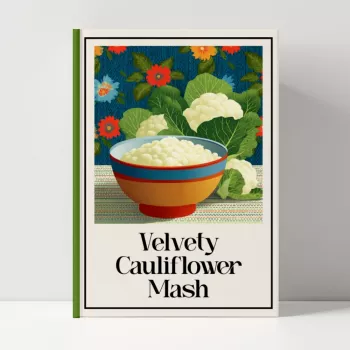
Velvety Cauliflower Mash: A Home Cook’s Step-by-Step Playbook
Creamy cauliflower mash can be silky and satisfying—when moisture is controlled, the cauliflower is cooked correctly, and blending is done with the right additions. The good news: once the “water management + warm fat” rhythm clicks, the texture becomes consistent and repeatable. Below is a practical method, the choices that matter most, and quick fixes for common issues—plus an optional printable workflow for cooks who want an even tighter process.
What Makes Cauliflower Mash Taste “Velvety”
1) Moisture management is everything
Cauliflower holds a surprising amount of water. If that water stays trapped, the mash turns loose, thin, and bland. Draining well, then steaming off residual moisture in a warm pot, is often the difference between spoon-coating and soupy.
2) Fat + emulsification create the silky mouthfeel
Butter, warm cream, olive oil, and cream cheese don’t just add richness—they help the puree blend into a smoother emulsion. Add fat first, then add warm liquid slowly so it integrates instead of pooling.
3) Blending strategy shapes texture
A masher gives cozy, rustic texture; a food processor delivers restaurant-smooth results with minimal risk of gumminess. If you add starchy extras (like a little potato), avoid prolonged high-speed blending—pulse instead.
4) Seasoning has a structure
Salt early so it dissolves evenly, then finish with brightness (lemon) and aromatics (garlic, chives) so the mash tastes rounded, not “flat.”
Ingredients That Improve Flavor Without Adding “Cabbagey” Notes
Cauliflower: fresh or frozen
Fresh florets typically taste cleaner and sweeter. Frozen cauliflower can be excellent, but it needs more draining and often benefits from the towel-squeeze step.
Aromatics for gentle sweetness
Roasted garlic is the MVP for mellow flavor. Sautéed shallots, scallions, or even a pinch of onion powder can add warmth without pushing the sulfur notes that sometimes show up with overcooked cauliflower.
Dairy and fats for body
Butter + warm cream is classic. Olive oil keeps it lighter and still silky. Cream cheese adds extra body and helps stabilize texture if you’re serving later.
Umami boosters
Parmesan, nutritional yeast, or a tiny dab of miso can make cauliflower mash taste more “complete.” Another option: reduce a splash of stock in the pot before adding the cauliflower back.
Finishing touches
Lemon zest, plenty of black pepper, smoked paprika, and fresh herbs (chives, parsley) make the flavor pop without needing more liquid.
Equipment Options (From Basic to Ultra-Smooth)
Best all-around: food processor
For velvety texture, a food processor is the sweet spot: fast, smooth, and easy to control.
Quick and simple: potato masher
Great for a homey, slightly chunky mash—especially if you like visible flecks of herbs or roasted garlic.
Extra fine: immersion blender (carefully)
It can get very smooth, very fast. Add liquid slowly and stop blending as soon as it looks glossy to avoid a thin, overworked puree.
Must-have tools
A large pot (or steamer basket), a colander, and—if you want the most consistent results—a clean kitchen towel or cheesecloth for squeezing out excess moisture.
Step-by-Step Method for Creamy Cauliflower Mash
Step 1: Prep for even cooking
Cut cauliflower into similar-size florets so they soften at the same rate. If rinsed, pat dry so you don’t start with extra surface water.
Step 2: Cook until truly tender
Step 3: Drain, then “steam off” moisture
Step 4 (Optional but powerful): Towel-squeeze
Step 5: Blend with fat first, then add warm liquid gradually
Step 6: Season in layers, then brighten
Step 7: Final texture check
Troubleshooting Texture and Flavor
| Problem | Most common cause | Fast fix | Prevention next time |
|---|---|---|---|
| Watery | Too much retained water | Simmer to reduce; add Parmesan or cream cheese | Steam; drain longer; towel-squeeze |
| Gritty | Not cooked tender | Process longer with warm butter/cream | Cook until very soft; cut florets evenly |
| Gluey | Too much blending with starchy add-ins | Thin with warm cream; fold in extras by hand | Limit starchy mix-ins; pulse instead of continuous blending |
| Flat flavor | Under-seasoned; no acid/umami | Add salt, pepper, lemon, Parmesan | Season in layers; finish with acid + herbs |
Flavor Variations for Different Meals
Garlic-Parmesan
Herb & lemon
Spicy-smoky
Loaded style
Dairy-free
Make-Ahead, Storage, and Reheating Without Separating
For general leftover safety guidance, see the NHS food safety tips. For nutrition context on cauliflower, the USDA FoodData Central database is a reliable reference.
Serving Ideas That Pair Well With Cauliflower Mash
Printable Step-by-Step Support
If a structured workflow helps you cook faster and more consistently, the Velvety Cauliflower Mash – Ultimate Guide for Home Cooks (digital download) is designed as a clear, saveable reference with checkpoints for doneness, draining, blending, and seasoning—plus quick fixes and variation ideas.
For potlucks and hosting days, a practical carry option can make life easier; the Alviero Martini Prima Classe Women’s Beige Bag with Zip offers a polished way to keep essentials together while you’re on the move.
FAQ
Is cauliflower mash healthier than mashed potatoes?
Often, yes—plain cauliflower is typically lower in carbs and calories than potatoes, but the final nutrition depends heavily on how much butter, cream, and cheese you add. For a lighter bowl, lean more on olive oil, herbs, and a modest amount of dairy.
How do you keep cauliflower mash from being watery?
Steam instead of boiling when possible, drain longer than you think, and return the cauliflower to a hot pot for 1–2 minutes to evaporate moisture. Add warm cream slowly, and consider the towel-squeeze step—especially with frozen cauliflower.
Can cauliflower mash be made ahead and reheated?
Yes—refrigerate in an airtight container for up to 3–4 days, then reheat gently on the stovetop over low heat with a splash of warm cream or broth. Stir frequently and re-season after reheating, since salt and acidity can dull slightly in storage.









Leave a comment