Creative Ceramic Soap Dish Guide for Cleaner, Drier Sinks
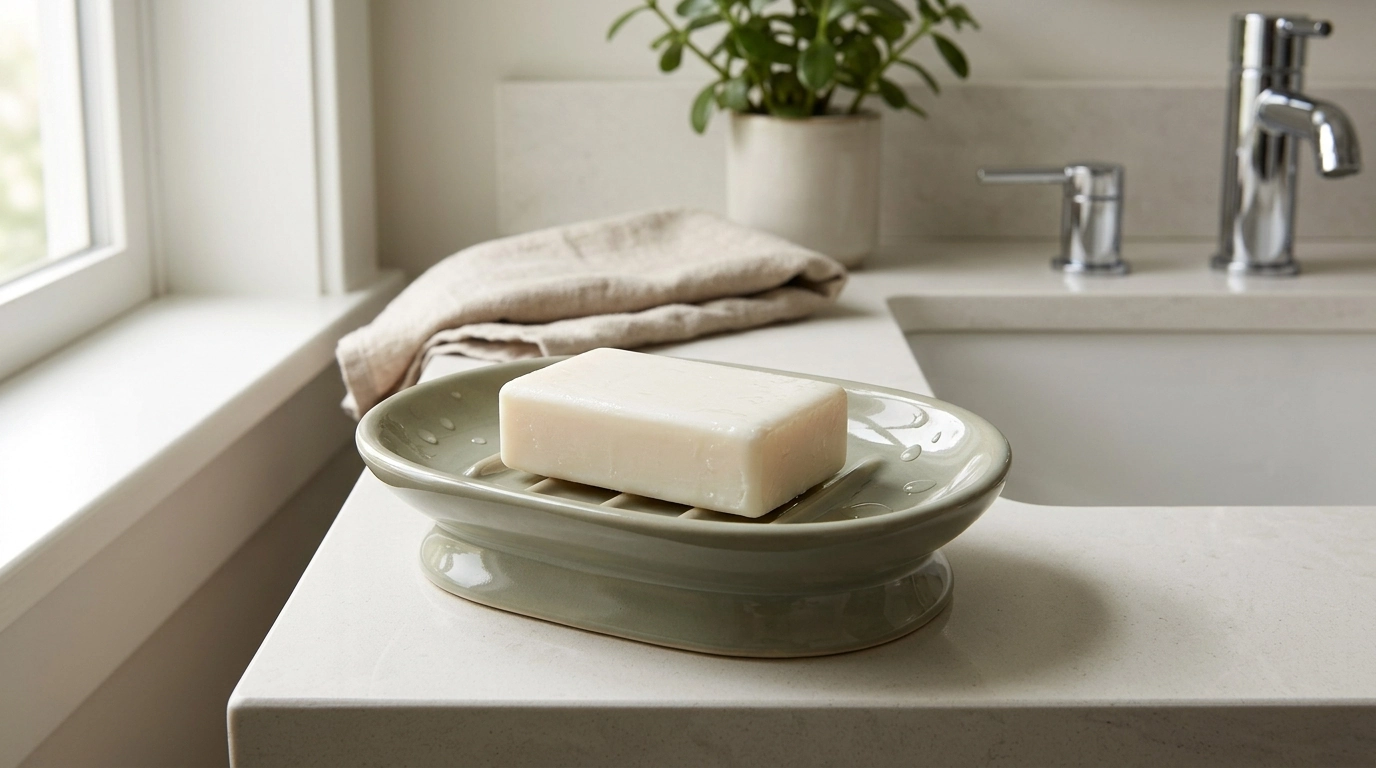
A well-made ceramic soap dish does more than hold a bar of soap—it helps it dry faster, keeps counters cleaner, and adds a finished touch to the sink. The right design quietly improves daily routines: less slippery residue on the ledge, fewer drips migrating toward the faucet base, and a sink area that looks intentional instead of improvised. Below is a practical guide to what makes a creative ceramic soap dish useful, where it works best in bathrooms and kitchens, and how to keep it looking polished for the long run.
What Makes a Ceramic Soap Dish Worth Using
A ceramic soap dish is a small upgrade with outsized payoff, especially if bar soap is a staple at your sink. Because ceramic has natural heft, it tends to stay put on a damp vanity top where lightweight holders might scoot around.
- Less soggy soap: A good dish elevates the bar, improving airflow so it dries between uses.
- Cleaner counters: Drips and residue are contained on the dish instead of spreading across the sink ledge.
- Stable feel: Ceramic’s weight helps prevent accidental slides when hands are wet.
- Easier wipe-downs: Glazed finishes typically rinse and wipe clean without holding odors as readily as porous materials.
- Decor without clutter: A creative silhouette or glaze adds style while still being purely functional.
Pairing bar soap with a dish that supports drying can also complement good hand hygiene habits recommended by authorities like the CDC, since the setup makes handwashing feel convenient and tidy rather than messy.
Design Details That Improve Drying and Cleanliness
Not all soap dishes perform the same. The best ones manage water thoughtfully so the bar doesn’t sit in a puddle, while still being easy to rinse and reset.
- Drainage features: Grooves, ridges, holes, or raised supports keep the soap lifted so water can move away from the contact surface.
- Lip height: A subtle rim helps contain runoff, but shouldn’t be so tall that it traps grime in corners.
- Footing and base: A broad, flat base increases stability on wet stone, glazed tile, or laminate counters.
- Finish choice: Glossy glaze is usually the easiest to wipe; textured surfaces can add grip but may need more frequent rinsing.
- Right sizing: A dish that fits common bar soaps prevents overhang, which is a common cause of drips and sticky edges on the countertop.
If you prefer a cleaner look with minimal maintenance, prioritize a smooth glaze and a design with shallow grooves rather than deep channels that require scrubbing.
Placement Tips for Bathroom and Kitchen Sinks
Where you set the dish matters almost as much as the dish itself. A few inches can be the difference between a neat setup and constant splashing.
- Close, not soaked: Keep the dish within easy reach, but avoid placing it directly under the faucet’s main splash zone.
- Small ledge strategy: For narrow sink rims, choose a compact footprint or place the dish on a counter corner to reduce crowding.
- Shared bathrooms: Visually “group” items by pairing the dish with a small hand towel and a simple tray for cohesive order.
- Kitchen placement: Put it near the handwashing area, not next to heavy dishwashing traffic where grease and food particles tend to spread.
- Watch for pooling: If water collects under the base, shift it to a drier spot and wipe the underside more frequently.
For overall sink-area upkeep—especially during cold/flu season—simple, consistent cleaning routines align well with guidance from the American Cleaning Institute on maintaining clean household surfaces.
Quick Comparison: Ceramic vs. Common Alternatives
Use this overview to match the material to your space—especially for high-splash sinks or humid bathrooms. Also consider how often the holder will be cleaned and whether it needs to be moved frequently.
| Material | Pros | Trade-offs | Best for |
|---|---|---|---|
| Ceramic | Stable, easy to wipe, decorative options | Can chip if dropped | Vanities and counters where it stays put |
| Plastic | Lightweight, inexpensive, often shatter-resistant | May slide, can discolor over time | Kids’ bathrooms or travel setups |
| Stainless steel | Rust-resistant (quality grades), modern look | Water spots; can be slippery | Minimalist sinks and modern kitchens |
| Wood/Bamboo | Warm aesthetic, lightweight | Needs drying; can warp or mildew if left wet | Low-splash areas with frequent ventilation |
Care and Cleaning for Long-Lasting Shine
Ceramic is low-fuss, but a little routine care keeps it looking bright and prevents that dull film that can build up around soap.
Style Pairings for a More Put-Together Sink
Featured Picks Available Now
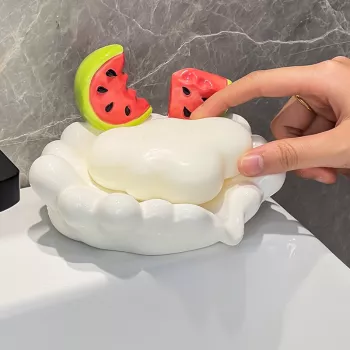
- Creative Ceramic Soap Dish — A personality-forward ceramic dish that keeps soap elevated and contained for a tidier bathroom, powder room, or kitchen handwashing spot.
- Cactus Cat Tree Tower with Scratching Post & Condo Nest — A fun home upgrade that helps concentrate pet activity away from high-traffic areas, supporting a more orderly overall space.
FAQ
Do ceramic soap dishes help soap last longer?
Yes—soap generally lasts longer when it can dry between uses. A ceramic dish with ridges or drainage keeps the bar out of sitting water, which helps prevent mushy edges and wasted soap.
How often should a soap dish be cleaned?
A quick rinse and wipe every few days helps prevent film buildup. Plan on a weekly wash with mild dish soap, and clean more often in hard-water areas or very humid bathrooms.
Will ceramic damage a countertop or sink edge?
Ceramic is usually safe on countertops, but grit trapped underneath can scratch delicate surfaces. Wipe the base regularly and consider small silicone bumpers if your counter is slippery or easily marked.








Leave a comment