Bluetooth Speaker Charging Dock: Fast, Tidy Power
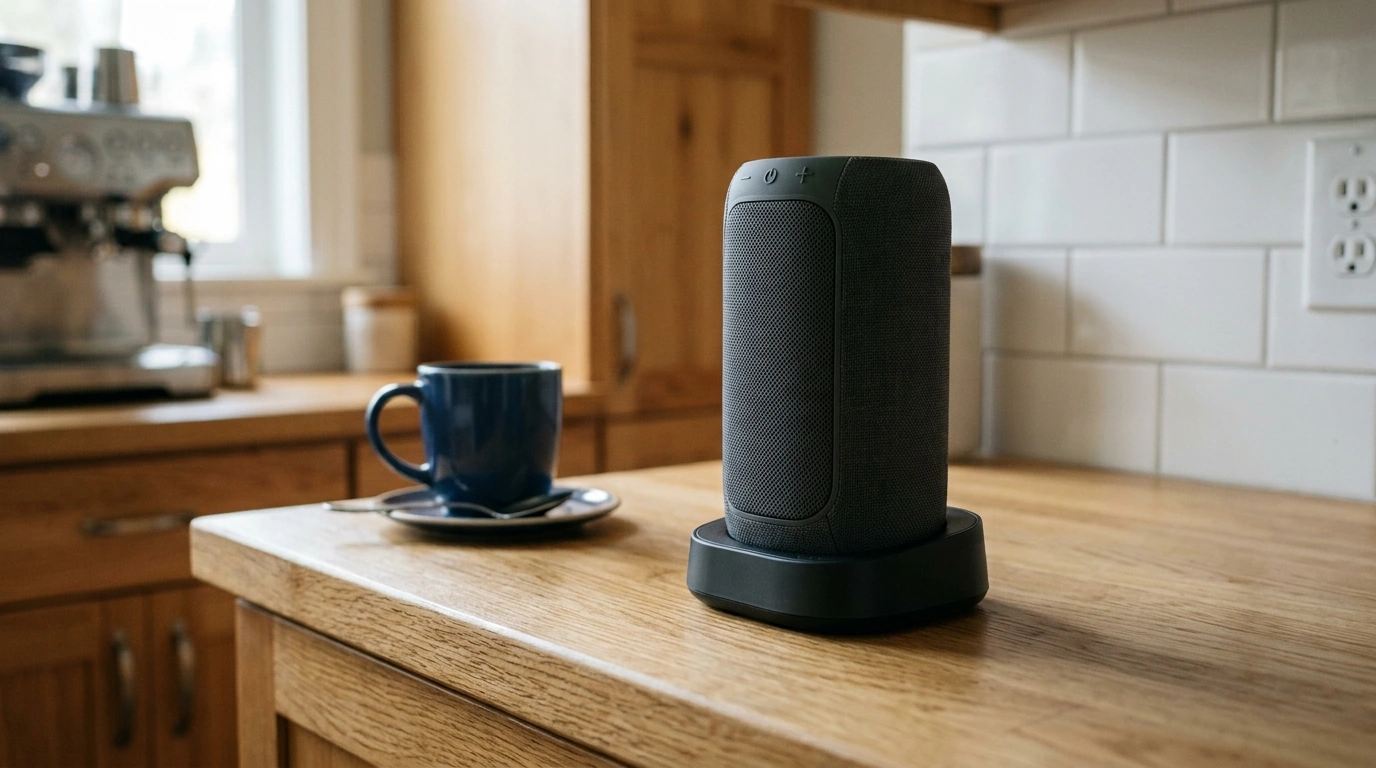
Power Charging Dock for Bluetooth Speaker: A Cleaner, More Reliable Way to Charge
A charging dock keeps a Bluetooth speaker powered without the daily cable hunt. With a stable cradle, consistent contact, and a dedicated “home” for the speaker, a good dock reduces wear on ports, cuts down on clutter, and makes it easier to grab your speaker with a full battery. Instead of balancing a speaker next to a dangling cable (or leaving it face-down just to reach the port), a dock turns charging into a quick drop-in routine that fits naturally into a busy day.
Why a Charging Dock Beats Loose Cables
Most charging issues with portable speakers aren’t dramatic failures—they’re small annoyances that add up: a connector that wiggles, a cable that slips out, or a port that starts feeling “loose” after months of daily use. A dock helps by making the physical connection repeatable.
- Reduces stress on the speaker’s charging port by minimizing repeated plug/unplug cycles
- Creates a consistent charging spot on a desk, kitchen counter, or nightstand
- Helps prevent partial connections that lead to slow charging or intermittent power
- Keeps the speaker upright and ready to use while it charges
Another practical win: if multiple people share the space, the dock becomes the default “return point” for the speaker, so it’s less likely to be left with a dead battery in a random room.
What to Look For Before Buying
Not all docks are created equal, and the best choice depends on how you use your speaker day to day. A little checking up front can prevent the most common frustrations: wobble, inconsistent charging, and awkward fit.
- Compatibility: confirm the dock design matches the speaker’s charging layout and size
- Power requirements: match the dock’s input/output needs with your adapter and the speaker’s charging spec
- Stability: choose a base that won’t tip when tapping buttons or removing the speaker
- Contact quality: charging pins or connector alignment should feel secure and repeatable
- Portability: a compact dock is easier to move between rooms or pack for travel
Quick checklist for choosing a charging dock
| Feature | Why it matters | What to confirm |
|---|---|---|
| Fit | Prevents wobble and misalignment | Speaker sits fully in the cradle without forcing it |
| Charging connection | Ensures steady charging | Connector aligns easily and charges consistently |
| Base grip | Stops sliding on smooth surfaces | Non-slip pads or a weighted base |
| Cable management | Reduces clutter | Room for routing the power cable behind the dock |
| Everyday workflow | Makes charging effortless | Easy one-hand dock/undock action |
Power Charging Dock for Bluetooth Speaker: Everyday Use
Once the dock is in place, it should feel almost invisible—like a simple habit that keeps your speaker ready. For most setups, the goal is a “drop and charge” motion that works even when you’re distracted or in a hurry.
- Place the dock on a flat, stable surface near a wall outlet or powered USB port
- Connect the dock to a suitable power source, then seat the speaker until the charging indicator confirms power
- Use the dock as the default storage spot to keep the speaker topped up
- If charging is inconsistent, reseat the speaker and confirm the connector is clean and aligned
If your speaker is frequently used in the kitchen, a dock near the coffee station can keep it powered without letting cables creep across the counter. On a nightstand, it keeps the speaker upright and easy to grab for a quick morning playlist.
Setup Tips for Reliable Charging
Dock charging is usually straightforward, but reliability comes from small details: clean contacts, stable power, and a good environment. For general charging safety and best practices, it’s worth reviewing guidance from UL Solutions on lithium-ion battery safety and the USB Implementers Forum for a high-level overview of USB power behavior.
- Keep the contact area clean: dust and pocket lint can interrupt charging
- Avoid sinks, steam, or heat sources: moisture and heat can raise corrosion risk and reduce charging consistency
- Use a reputable wall adapter and cable: stable voltage/current helps avoid dropouts
- Allow airflow: if the speaker warms during charging, don’t cover it with fabric or place it in a tight cubby
- Label in shared spaces: a simple label prevents mix-ups with similar-looking chargers
Common Problems and Simple Fixes
Care, Storage, and Safety
Product Options
If you want a simple way to keep a compatible speaker charged and easy to find, the Power Charging Dock for Bluetooth Speaker is an affordable option designed for an everyday “set it down and charge” routine. It’s best suited for a dedicated spot in a bedroom, office, or kitchen where the speaker gets frequent use and you want cables kept out of the way.
For people who travel with their speaker and prefer keeping small accessories together, a dedicated carry option can help reduce cable clutter in a suitcase or tote. The Alviero Martini Prima Classe Women’s Beige Bag with Zip can work as a neat organizer for personal items and small tech essentials when you’re moving between rooms or heading out for a weekend trip.
FAQ
Will a charging dock work with any Bluetooth speaker?
Not always. Compatibility depends on the speaker’s size and charging interface, so make sure the speaker seats properly and the charging connection aligns as intended.
Why does the speaker charge only when positioned a certain way?
This is usually caused by misalignment or debris on the contacts. Clean the connector area, place the dock on a level surface, and reseat the speaker until the charging indicator stays steady.
Is it safe to leave a Bluetooth speaker on the dock overnight?
Many modern speakers manage charging automatically, but it’s safest to use a quality power adapter, keep the area ventilated, and follow the speaker manufacturer’s guidance for charging and storage.










Leave a comment