3686Wh IP65 Portable Solar Power Station: Outdoor Backup
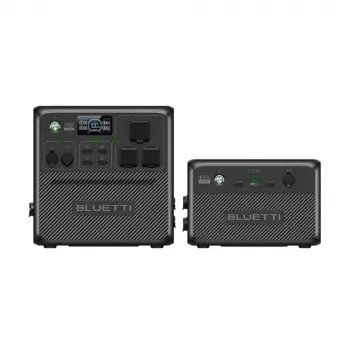
Portable, High-Capacity Backup Power That Holds Up Outdoors
Power plans fall apart when the grid goes down, campsites are off-map, or the jobsite is miles from a breaker panel. Our team built this solution around practical capacity: a 3686Wh portable solar power station designed for longer runtimes on essentials, with an IP65 water-resistant rating for real-life use in dusty garages, on patios, under canopies, and in emergency kits. When outlets don’t reach, you still need steady charging, dependable lighting, and a way to keep daily routines moving.
If you’re ready to step up to a high-capacity portable option, start here: Portable Solar Power Station 3686Wh, IP65 Water Resistant Generator.
What This Power Station Is Built to Do
- Provide a large 3686Wh energy reserve for longer runtimes on essential devices and tools.
- Support everyday backup priorities: lighting, communications, refrigeration support, medical/health devices (confirm your device’s requirements and startup behavior).
- Reduce dependence on fuel for short-to-mid outages and mobile setups where fumes and noise are a problem.
- Offer added peace of mind outdoors with an IP65 water-resistant rating (engineered to resist dust and water jets, not submersion).
IP ratings are standardized under IEC 60529, which is the reference our team points customers to when comparing “weather resistant” claims across gear: IEC 60529: Degrees of protection (IP Code).
Where It Fits Best: Outage Prep, Off-Grid Work, and Outdoor Living
Home backup basics
For most homes, the early priorities are simple: keep phones charged, maintain internet where possible, power lamps at night, and support refrigeration in a measured way. A 3686Wh class station gives you more breathing room so you can run essentials longer without constantly rethinking every plug-in.
Outdoor and mobile power
This is a strong fit for quiet, no-fumes power at camps, RV staging, tailgates, remote photo/video setups, market booths, and pop-up events. When you’re balancing people, gear, and weather, having a sealed, water-resistant design helps you stay focused on the job rather than babysitting equipment.
Worksite support
Use it for charging battery systems, running low-to-moderate power electronics, and keeping sensitive gear away from unstable mains power. If you’re powering equipment with higher startup surges, plan your loads and avoid stacking too many high-draw items at once.
Weather-aware placement
IP65 is well suited to dust, drizzle, splashes, and spray. For best longevity, our team recommends “protected outdoor” habits: set the unit on a dry surface, elevate it when the ground is damp, and use overhead cover (like a canopy or tailgate) when rain is in the forecast.
For broader outage planning, you can also review preparedness guidance from Ready.gov.
Planning Runtime With 3686Wh: Build a Simple Energy Budget
The difference between “backup power” and “backup confidence” is a basic energy plan. Think in watt-hours (Wh): watts × hours used = watt-hours consumed. Compare your total to 3686Wh, then leave a buffer for conversion losses and real device behavior (compressors cycling, chargers tapering, tools surging at startup).
- Prioritize loads: refrigeration support, communications, and lighting typically come first.
- Stagger usage: run higher-draw devices in short windows instead of continuously.
- Plan with a buffer: real-world overhead means you should avoid budgeting the full 3686Wh as “usable” for critical needs.
| Use case | Example device | Assumed power | Daily hours | Estimated daily use |
|---|---|---|---|---|
| Connectivity | Wi‑Fi router + modem | 25–50W | 10h | 250–500Wh |
| Lighting | LED room lighting | 10–30W | 6h | 60–180Wh |
| Food support | Small fridge (cycled) | 50–150W avg | 8h | 400–1200Wh |
| Device charging | Phones/tablets | 10–30Wh each | — | 50–150Wh |
| Comfort | Fan | 30–60W | 8h | 240–480Wh |
Water Resistance, Dust, and Outdoor Setup: Using IP65 Wisely
- What IP65 covers: dust-tight protection and resistance to water jets from any direction. It’s not built for submersion or sitting in standing water.
- Protect the connectors: keep ports covered when not in use, route cables so water can’t run down them into connection points, and avoid puddles near power strips.
- Storm approach routine: top up charge early, move the unit under cover, pre-route extension cables, and operate it in a dry, ventilated spot.
- If pairing with solar panels: set panels where they can dry quickly and keep cable paths tidy to reduce trip hazards and water channels.
If you’re newer to solar charging concepts, the National Renewable Energy Laboratory (NREL) offers a clear overview of photovoltaic basics.
A Simple Readiness Routine (So It’s Not a “One-Time Purchase”)
When This Model Is the Right Pick
More In-Stock Picks From Our Store
- Portable Solar Power Station 3686Wh, IP65 Water Resistant Generator
- Cactus Cat Tree Tower with Scratching Post & Condo Nest (a home comfort upgrade that’s easy to set up while you’re organizing an outage-ready space)
- Alviero Martini Prima Classe Women’s Beige Bag with Zip (a practical grab-and-go option if you keep emergency documents and small chargers together)
FAQ
What does IP65 mean for a portable power station?
IP65 means the enclosure is dust-tight and resistant to water jets from any direction. It helps in dusty and wet conditions, but it is not submersible, so you should still elevate it off wet ground and keep ports protected when possible.
How long will a 3686Wh power station run my devices?
Estimate runtime by using watts × hours = watt-hours, then compare your total to 3686Wh and leave an efficiency buffer. Prioritize essentials like your router, lighting, and fridge support, and stagger high-draw loads to stretch capacity.
Can it be used indoors during a power outage?
Portable power stations are commonly used indoors because they don’t produce exhaust like fuel generators. Keep it dry, allow ventilation around the unit, and follow safe operating and charging guidance for your setup.









Leave a comment