Expandable Waterproof Bike Trunk Bag: Fit & Packing
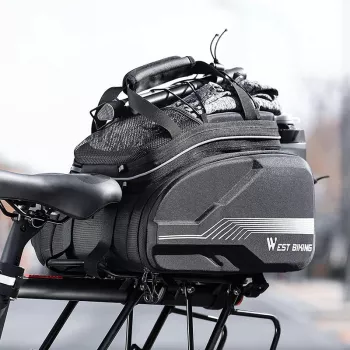
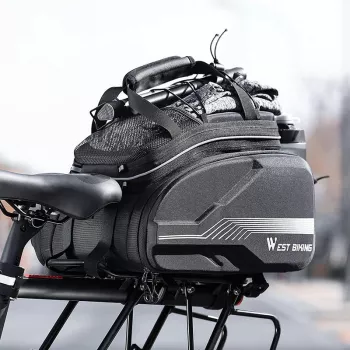
A ride can start with a jacket and repair kit, then turn into a grocery stop or an all-day outing. Our Expandable Waterproof Bike Trunk Bag 20–35L for MTB & Road Cycling offers a listed capacity range for days when your load changes. Before choosing it, consider what you carry most often, whether your bike has a suitable rear rack, and how you’ll keep the load secure.
What 20–35L of space is useful for
Expandable space lets you start a routine ride with a smaller load, then make room for a layer, lunch, or purchases on the way home. It’s useful if you don’t want to choose a bag based only on your lightest ride—or carry a full load every time you head out.
For a commute, you might pack repair essentials, a light layer, and small personal items. A longer road ride may call for food and clothing for a weather change. On an MTB outing, you may want extra space for supplies you’ll use at a stop. These are planning examples, not promises that particular items will fit: their dimensions and the bag’s usable interior space matter as much as the listed volume.
| Ride | Start with | Check before adding more |
|---|---|---|
| Daily ride | Repair essentials, a layer, and small personal items | Leave room to close the bag securely. |
| Longer outing | Food, layers, and items you may need during a stop | Keep frequently used items easy to reach. |
| Errands | Your riding essentials plus purchases | Watch the rack’s rated load and your bike’s handling. |
Check the bike and rack first
A trunk bag needs a suitable rear rack. “For MTB and road cycling” does not mean it will attach to every bike or rack. Compare the bag’s listed dimensions and mounting requirements with the rack you use before ordering. If your bike does not have a rear rack, first determine whether one can be fitted appropriately.
With the bag mounted and loaded, confirm there is clearance around the saddle, rear tire, and brake components. Make sure the load does not obscure your rear light. Follow the rack manufacturer’s weight limit; more bag volume does not increase the weight the rack can safely carry. Nothing should shift into a wheel or another moving part. On rough trails, check the attachment again when you stop. REI’s guide to bike bags and racks offers additional context for choosing a carrying setup.
| Check | Why it matters |
|---|---|
| Rack compatibility | The bag must attach securely to the rack you use. |
| Wheel and saddle clearance | The loaded bag should not rub or interfere with riding. |
| Rear-light visibility | Your load should not hide a safety light. |
| Rack load limit | Added capacity is not permission to exceed the rack’s rating. |
Pack for steadier handling
Put denser items low and near the center of the rack, with lighter layers above them. Keep the load balanced rather than allowing everything to settle on one side. Close the bag fully and secure any loose straps before you set off. If you need something frequently, place it where you can reach it at a stop without unpacking everything else.
After expanding the bag or substantially changing its contents, take a short, low-speed test ride. Extra weight can change how your bike corners and brakes, especially on uneven ground. Give yourself time to get used to the loaded bike before riding at your usual pace. For broader riding precautions, see the National Highway Traffic Safety Administration’s bicycle safety guidance.
Prepare for wet-weather rides
Our trunk bag has a waterproof designation, but careful packing still matters in rain. Fasten its closures properly and avoid leaving an opening around an overstuffed load. For electronics, documents, or anything else that cannot get wet, a separate dry pouch adds a useful layer of protection. After a rainy ride, take out damp contents and let the bag dry before storing it.
Choose the capacity you’ll actually use
If most rides involve only a few essentials, consider whether you need expandable storage often enough to make it worthwhile. If your plans regularly change—or you want room for errands after a ride—the listed 20–35L range may be a better match. You do not need to fill the bag simply because space is available.
Our team recommends deciding on your usual load first, then measuring the items that matter most and confirming the bag’s current dimensions and mounting details. The Expandable Waterproof Bike Trunk Bag is the cycling option here. If you also want a separate bag for personal items once you’re off the bike, our Alviero Martini Prima Classe Women’s Beige Bag with Zip is a handbag, not a substitute for a rack-mounted trunk bag. Choose what suits each part of your day, and keep your riding load within your rack’s rating.
FAQ
Will this trunk bag fit any road bike or mountain bike?
Not necessarily. Your bike needs a suitable rear rack; compare its setup with the bag’s mounting details and confirm tire, saddle, and rear-light clearance.
Should I use all 35L of capacity on every ride?
No. Expand only when you need the space, secure the load, and stay within your rear rack’s rated weight limit.
How should I protect electronics during heavy rain?
Fasten the bag’s closures carefully and put electronics in a separate dry pouch as an added precaution.








Leave a comment