Safe Pet Introductions for Kids: Calm Family Steps
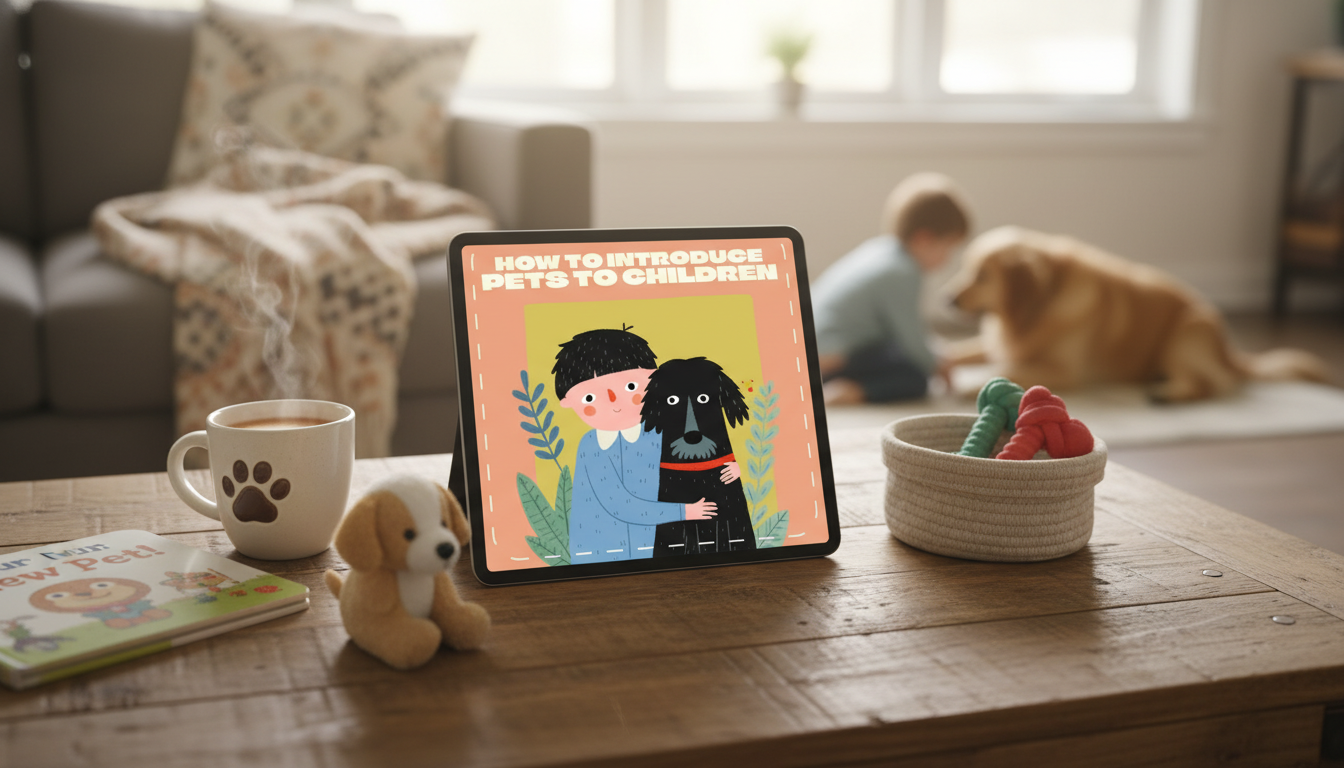
Introducing Pets to Children Safely: A Calm, Step-by-Step Family Guide
A safe introduction sets the tone for years of trust between kids and animals. The goal is to prevent common problems—fear, rough handling, resource guarding, bites/scratches, and stress—by preparing the environment, teaching clear kid-friendly rules, and letting the pet set the pace. When adults control the setup and keep early interactions short and predictable, most families see faster, smoother bonding with fewer scary moments.
Start With Readiness: Child, Pet, and Home
Before anyone meets face-to-face, check that the child, the pet, and the household routines are ready for success.
- Check the child’s readiness: Can they follow one-step directions, keep hands gentle, and stop when told? If “stop” is a struggle, build that skill first with games and practice.
- Check the pet’s readiness: Consider past experiences with kids, tolerance for touch/noise, and anxiety signs (avoidance, tucked tail, stiff body, growling/hissing). A pet that “puts up with it” is still stressed.
- Choose the right moment: Introduce when the pet is calm and exercised. Skip introductions during feeding, illness, or high excitement (arrivals, parties, zoomies).
- Set non-negotiables first: No chasing, no grabbing, no face-to-face hugging, and no disturbing pets when sleeping or eating.
Set Up the Environment for Success
Good management prevents most problems. The aim is to reduce pressure on the pet and limit impulsive kid movements.
- Create a pet-only safe zone: A crate/bed or a separate room with water, food, and a litter box for cats. The pet must be able to retreat without being followed.
- Use barriers at first: Baby gates, playpens, leashes, or closed doors help you control distance and keep everyone calm.
- Remove high-value triggers: Put away chew bones, favorite toys, and food bowls during early meetings. Feed pets separately from kids.
- Prep “kid tools”: A quiet activity (coloring, book), an adult-held treat cup, and a short petting plan with a clear end time to avoid overstimulation.
Teach Kids the Three Core Rules (Simple and Repeatable)
Kids remember short scripts. Repeat these the same way every time.
- Ask first: Ask the adult, then check the pet’s “answer.” A willing pet often approaches with a soft body and relaxed face.
- Gentle hands: Pet safer areas (shoulder, chest, side). Avoid face, tail, paws, and belly unless the pet clearly enjoys it.
- Let the pet leave: If the pet turns away, walks off, hides, or tenses, the interaction is over—no following.
Age-Based Safety Rules for Kids With Pets
| Child age | What kids can do | Adult role | Red lines |
|---|---|---|---|
| 0–2 | Look, wave, toss treats with adult help | 100% hands-on supervision; hold child or keep barrier | No unsupervised contact; no touching face/tail |
| 3–5 | One-hand petting on side/shoulder; short sessions | Coach every step; end interaction at first stress signs | No picking up pets; no hugging; no chasing |
| 6–9 | Help with simple care tasks (fill water, brush with guidance) | Teach body-language cues; assign structured routines | No rough play; no interrupting sleeping/eating |
| 10+ | Train basic cues; responsible routines with check-ins | Spot-check and reinforce rules; continue supervision with new situations | No punishment-based handling; no risky dares/teasing |
First Meetings: Dogs and Cats (Calm, Controlled, Short)
Early success is about calm coexistence, not “best friends on day one.” Keep the first exposures brief and end before either one gets overwhelmed.
- For dogs: Use a leash for safety and distance control. Have the child sit or stand still. Reward the dog for calm behavior and for calmly looking away from the child (this reduces fixation).
- For cats: Start with distance and choice. Let the cat approach. Offer treats near the child while the child stays quiet and still.
- Keep sessions brief: Aim for 1–3 minutes for the first few exposures, then take a break. Multiple tiny “wins” beat one long, stressful session.
- Use parallel activities: A child can read, draw, or do a puzzle while the pet is nearby. Calm together-time builds trust faster than forced contact.
Prevent Problems Before They Start: Food, Toys, and Sleep
Many incidents happen around resources or when a pet is startled awake. Put household rules in place before a problem appears.
Read Body Language: When to Pause or End the Interaction
For additional bite-prevention and body-language guidance, review the American Veterinary Medical Association (AVMA) dog bite prevention tips, the American Academy of Pediatrics guidance on safety around animals, and the ASPCA canine body language overview.
Build a Long-Term Routine That Keeps Everyone Safe
A Printable Plan for Families: Simple Steps to Follow
Recommended Resources (In Stock)
- How to Introduce Pets to Children Safely | Family Pet Guide eBook | Tips for Introducing Pets to Kids | Digital Download for Parents & Pet Owners
- 10W Dual USB Fast Charger Adapter for Smartphones & Travel Use (helpful for keeping a phone powered during walks, training sessions, or when using timers and routines)
- High-Brightness Rechargeable Waterproof Bike Headlight (useful for added visibility on evening dog walks when the family routine shifts earlier or later)
FAQ
What’s the safest way to introduce a dog to a toddler?
Start with barriers and distance, keep the dog leashed, and have the toddler stay still while an adult rewards calm dog behavior. Keep the first sessions under a few minutes and end immediately at any stress signals.
How can a child tell if a pet wants to be left alone?
If the pet walks away, hides, stiffens, growls/hisses, flicks their tail, or flattens their ears, the child should stop and give space right away. The rule is simple: when the pet leaves, the interaction ends.
Should kids feed pets by hand during introductions?
Not at first—adults should manage treats to prevent grabbing, confusion, and resource issues. Transition to supervised child participation only after both the child and pet reliably stay calm and predictable.











Leave a comment