Backflow Incense Burner Not Working? Fix the Smoke Flow
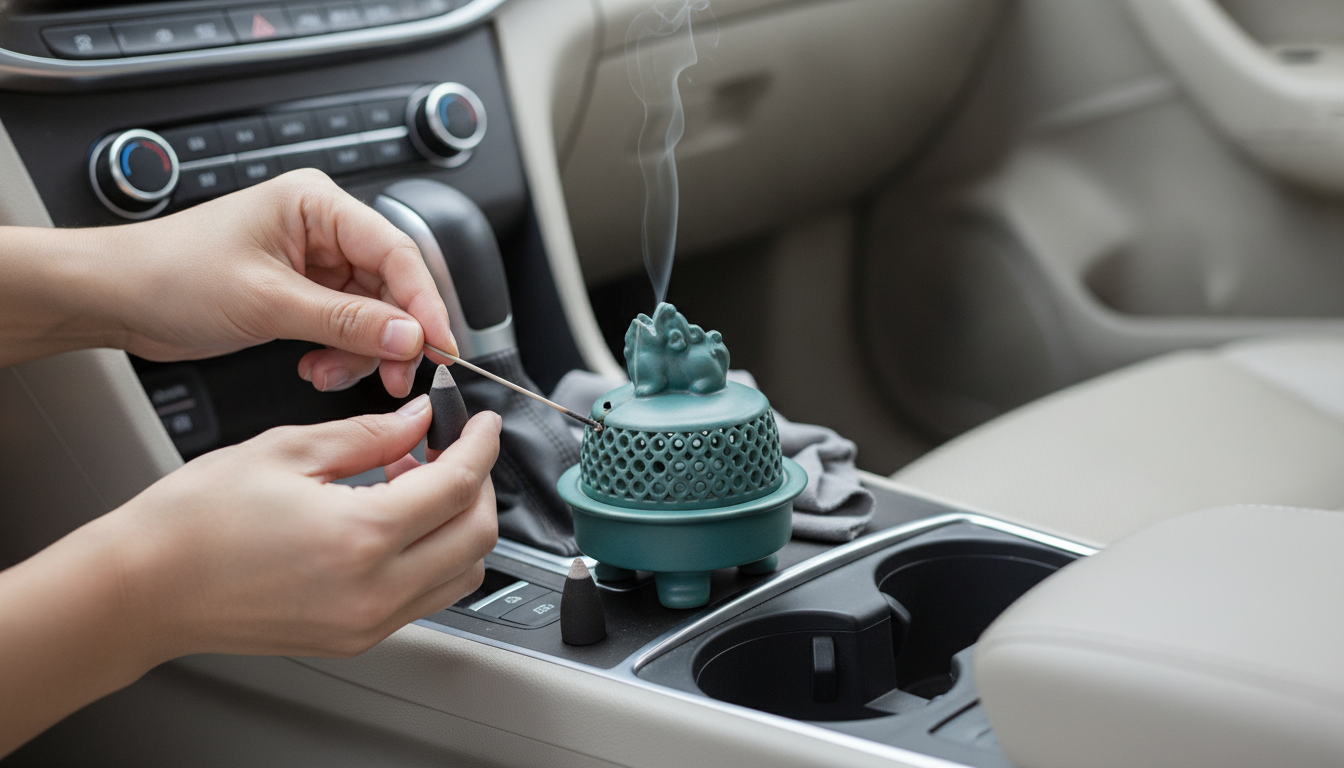
How do I get my backflow incense burner to work?
A backflow incense burner works only when three things line up: the right incense (backflow cones), the burner is level and clean, and the airflow around it is calm. If the smoke isn’t cascading downward, it’s usually because regular incense was used, the cone isn’t seated correctly over the hole, or a draft is pulling the smoke upward.
1) Make sure you’re using backflow cones (not standard cones)
Backflow burners require special cones with a hollow channel through the center. Standard incense cones won’t create the waterfall effect because the smoke has nowhere to “pour” downward. Check the packaging for “backflow” or “waterfall” cones.
2) Place the cone exactly over the burner’s air hole
Set the cone so its bottom opening sits directly on the burner’s cone seat, fully covering the small hole. If it’s slightly off-center, smoke can leak out the sides and the cascade will be weak or won’t form at all.
3) Light it correctly and give it time
Light the tip until it flames, let it burn for about 5–10 seconds, then gently blow out the flame. Wait 1–3 minutes for the backflow stream to become visible; early on, the smoke may look normal before it starts sinking.
4) Eliminate drafts and level the burner
Air currents from fans, HVAC vents, open windows, or even walking past can disrupt the downward flow. Move the burner to a still spot and place it on a flat surface so the smoke path stays consistent.
5) Clean residue and unblock the smoke path
Over time, sticky incense oils and ash can narrow the internal channels. Let the burner cool, then wipe it and clear the hole(s) with a cotton swab or a soft brush. A clean path produces a stronger, smoother cascade.
For a deeper walkthrough on setup, materials, and getting the best waterfall effect (including sandalwood options), see the full guide: https://magdella.com/guide-ceramic-backflow-incense-burner-for-sandalwood-coils/.
FAQ
Why does my backflow incense smoke go up instead of down?
This usually happens when the cone isn’t a true backflow cone, the cone isn’t seated over the hole, or there’s a draft nearby. Re-seat the cone, move to a still area, and wait a couple minutes for the cascade to start.








Leave a comment