Best Woods for Mid-Century Modern Furniture
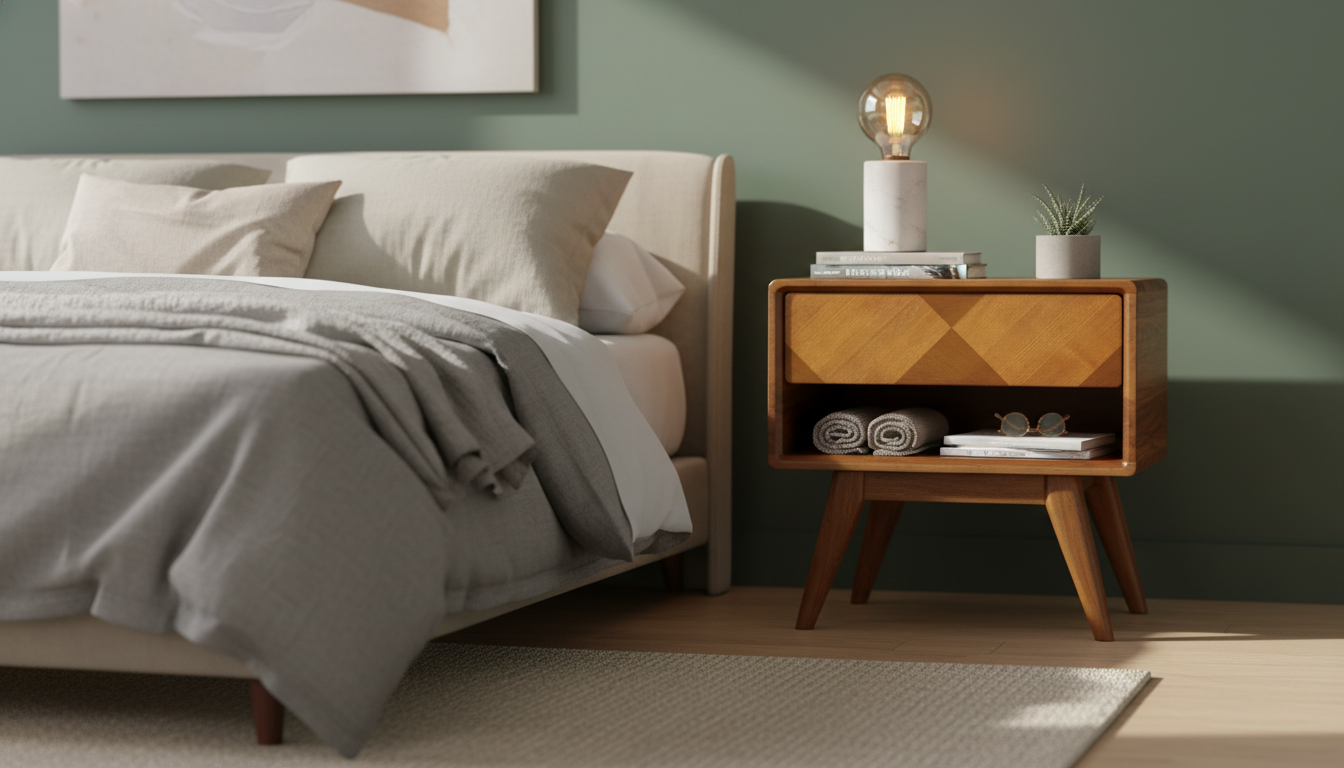
What kind of wood is used in mid century furniture?
Mid-century furniture is often associated with warm, natural wood tones, clean joinery, and finishes that let the grain do the talking. While many species show up across original pieces and modern reproductions, a few woods appear again and again because they balance beauty, strength, and workability.
Walnut: the mid-century signature
American black walnut is one of the most iconic choices for mid-century modern design. Its rich brown color, occasional lighter sapwood, and smooth, straight grain complement the era’s simple silhouettes and tapered legs. Walnut is also stable and durable, which makes it a favorite for case goods like credenzas, nightstands, and dressers.
Teak: durable and naturally oily
Teak became especially popular in Scandinavian and Danish-inspired mid-century pieces. It’s prized for its golden-to-medium brown color and natural oils that help resist moisture. That makes teak a common pick for tables and surfaces that need to hold up to everyday use.
Rosewood: bold grain for statement pieces
Rosewood (often seen in higher-end vintage designs) is known for dramatic striping and deep color variation. Because it can be expensive and heavily regulated today, many newer pieces use rosewood veneers or alternative species to achieve a similar look.
Oak and ash: lighter, textured options
White oak and ash appear in mid-century furniture when a lighter palette or more visible grain is desired. Oak can read more traditional depending on the finish, but in streamlined forms it fits the mid-century aesthetic well—especially with matte, natural finishes.
Acacia and other practical hardwoods
Many contemporary mid-century-style pieces use acacia because it’s hard, attractive, and often more budget-friendly. Its grain can be lively, with warm color variation that pairs nicely with minimalist hardware and clean drawer fronts. For a closer look at how walnut and acacia compare in mid-century nightstands, see this guide.
FAQ
Is mid-century furniture usually solid wood or veneer?
Both are common. Many vintage pieces use solid wood for legs and frames with wood veneer over stable substrates for wide panels like tops, sides, and doors.










Leave a comment