3-6-9-12 Screen Time Rule: Ages, Limits, and Tips
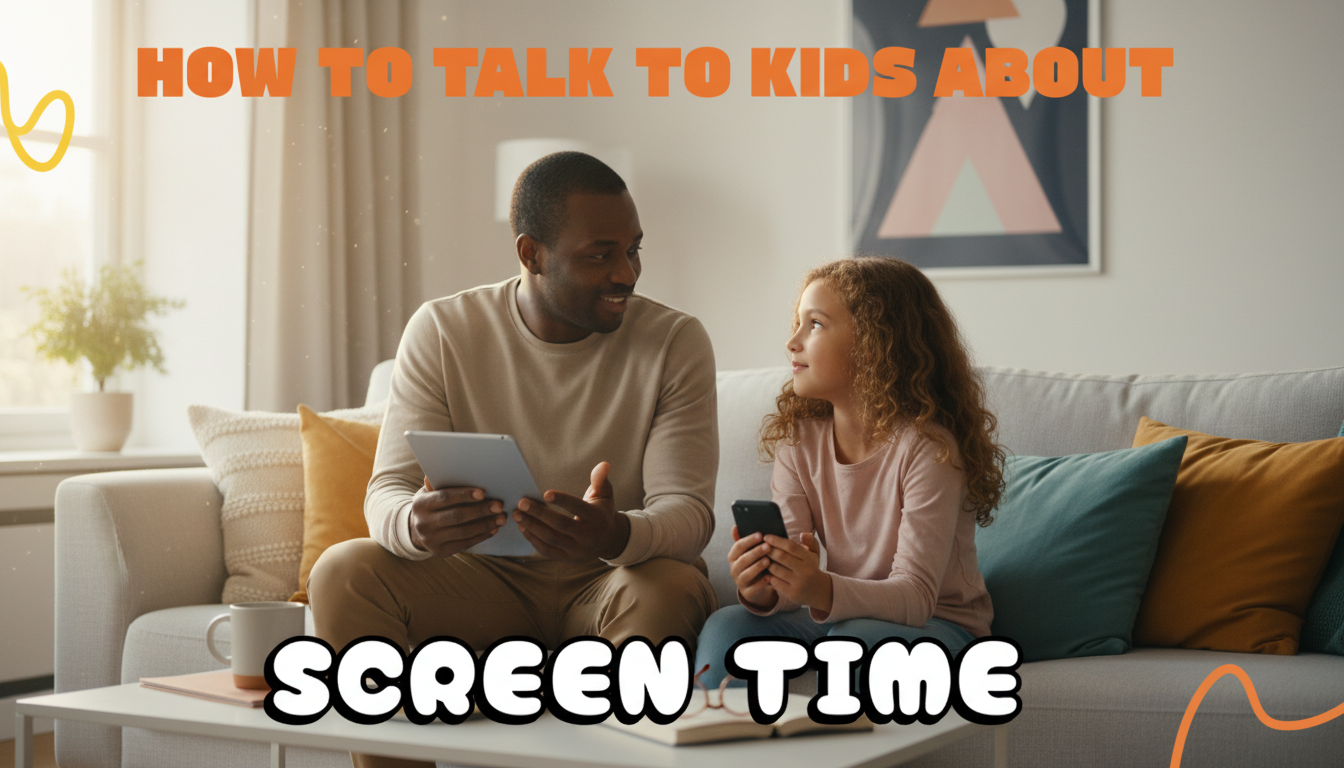
What is the 3 6 9 12 rule for screen time?
The 3-6-9-12 rule is a simple age-based guideline that helps families decide when to introduce different types of screens and digital activities. It’s often attributed to child development recommendations that emphasize matching screen use to a child’s ability to understand, self-regulate, and stay safe online.
How the 3-6-9-12 rule works
Before age 3: avoid screens as a default
The idea is to prioritize real-world play, movement, language, and face-to-face interaction. If screens are used at all, keep it rare, short, and shared with an adult so it doesn’t replace connection, sleep, or play.
Ages 3–6: introduce shared, simple screens
Between 3 and 6, the rule supports limited, calm content (think short videos or kids’ shows) with an adult nearby. The focus is on co-viewing, talking about what’s on the screen, and keeping screens out of routines that tend to escalate—like meals, transitions, or bedtime.
Ages 6–9: be cautious with gaming and independence
This stage is often described as “no personal game console before 6,” then gradually allowing more interactive screen use with clear boundaries. Many kids can enjoy age-appropriate games, but they still need help stopping, managing frustration, and balancing hobbies, homework, and sleep.
Ages 9–12: delay open internet and social platforms
The guideline commonly suggests “no internet without supervision before 9” and “no social media before 12.” The goal is to avoid giving full, unsupervised access before a child can handle privacy, persuasion, and social pressure. If a device is introduced, use parental controls, shared passwords, and device-free times.
Making the rule practical at home
The rule isn’t about perfection—it’s about reducing conflict and making expectations predictable. For a calm, scripted approach to setting limits (especially when turning screens off leads to drama), see this guide: https://magdella.com/guide-calm-screen-time-limits-script-stop-drama/.
FAQ
How can I set screen time limits without daily arguments?
Use clear “when/then” rules (like screens after chores), give a short warning before time is up, and end with a consistent off-routine (plug in, wash hands, next activity). Predictability usually reduces pushback over time.











Leave a comment