Miniature Homey Kitchen Kit: Build, Style & Display Tips
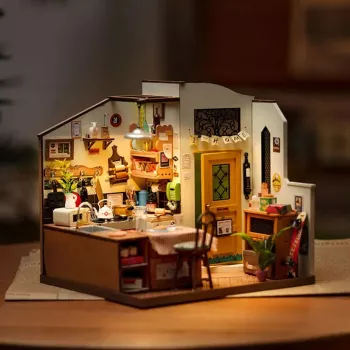
Miniature Homey Kitchen Dollhouse Kit: A Cozy Build for Craft Nights and Display Shelves
A miniature kitchen kit turns small-scale details—cabinets, cookware, and warm “homey” styling—into a hands-on craft project that ends as a decorative room box or dollhouse scene. The build is relaxing, a little meticulous, and genuinely rewarding once the tiny space starts to look “lived in.” Below is what to expect from the process, who tends to enjoy it most, how to set yourself up for a smooth assembly, and how to keep the finished kitchen looking crisp on a shelf over time.
What This Miniature Kitchen Kit Is
A miniature kitchen kit is a DIY room-style model designed to resemble a cozy, everyday kitchen scene—think small furnishings, countertop items, and décor that feels warm and realistic. Many kits are built as a self-contained vignette (a room box) that stands on its own, but it can also complement a larger dollhouse or mini interior display if the scale and style match.
It’s best approached like a craft model rather than a race-to-the-finish project. Careful handling, clean alignment, and allowing glue to set properly usually matter more than speed, especially when you’re working with tiny accessories and detail surfaces.
Who It’s For (and When It’s the Most Fun)
This style of miniature is giftable for anyone who enjoys small details, calm hobbies, and screen-free downtime. It’s typically a satisfying project for teens and adults; younger builders often need close supervision because miniature kits may involve small parts and adhesives. For small-parts safety guidance, the U.S. Consumer Product Safety Commission provides helpful background at CPSC — Toy Safety (Small Parts) Regulations and Guidance.
It’s especially fun as a weekend project, a rainy-day build, or a “one section per night” ritual where each session ends at a natural stopping point while glue cures. When finished, it works well as desk décor, bookshelf styling, or a seasonal display piece. If you’ve ever wondered why tiny interiors are so compelling to look at, the Smithsonian touches on the appeal in Why Miniatures Fascinate Us.
Quick Suitability Guide
| Builder | Why it fits | Helpful add-ons |
|---|---|---|
| Beginner | Step-by-step building teaches miniature basics | Tweezers, craft glue, small scissors |
| Intermediate | More room for neat finishing and alignment | Cutting mat, precision knife, clamps |
| Gift recipient | Delight factor from tiny kitchen details | Clear display case or dust cover |
What’s Usually Included (and What to Prepare)
Most miniature kitchen kits include a mix of mini furniture and décor pieces—kitchen-style items like shelving, containers, and countertop details—plus pre-cut or semi-finished structural components that become the walls, floor, and back panel of the scene. Many kits also include printed or textured elements used for surfaces and labels; these details add a lot of realism, but they benefit from careful trimming and smooth application.
Adhesive needs can vary by kit and material type, so having a reliable craft glue ready helps you avoid pauses mid-build. A small but effective preparation habit: sort parts into shallow trays before starting. When tiny pieces are organized early, you’ll spend far less time searching and far more time assembling accurately.
Build Experience: Time, Difficulty, and Patience
Build Planning Checklist
| Stage | Focus | Practical tip |
|---|---|---|
| Part sorting | Identify tiny pieces early | Use a shallow tray and label sections |
| Room shell | Straight corners and flat base | Dry-fit before gluing |
| Furniture assembly | Symmetry and clean joins | Wipe excess glue immediately |
| Décor placement | Story-like realism | Place larger items first, tiny items last |
Tools and Workspace Setup
Tips for a More “Homey” Finished Look
Care, Display, and Long-Term Durability
Care and Display Options
| Goal | Best option | Why it helps |
|---|---|---|
| Reduce dust | Clear acrylic cover/display case | Less cleaning and fewer parts knocked loose |
| Safer storage | Box with padding and labels | Prevents crushing small pieces |
| Easy cleaning | Soft brush + gentle air puffer | Reaches corners without damage |
Miniature Homey Kitchen Dollhouse Kit: Snapshot
If you’re looking for a cozy miniature scene with lots of little details to place and style, the Miniature Homey Kitchen Dollhouse Kit is an accessible option for hobby crafting and gift-giving. At $32.51 USD and currently in stock, it’s best suited to builders who enjoy slow assembly, careful alignment, and a display-ready finish.
For a craft setup that stays peaceful (and less interrupted), it can also help to keep curious pets occupied nearby—something like the Cactus Cat Tree Tower with Scratching Post & Condo Nest can be a practical companion purchase if a cat tends to “help” with tiny parts. And if you’re gifting the kit, pairing it with a small personal treat can make the moment feel extra special—consider the Alviero Martini Prima Classe Women’s Beige Bag with Zip as a separate gift add-on for someone who loves cozy crafts and polished everyday style.
FAQ
How long does it take to build a miniature kitchen dollhouse kit?
Most builders should plan several hours spread across multiple sessions, since careful alignment and drying time affect the final look. Beginners often take longer, and shorter sessions usually improve accuracy and reduce frustration.
What glue works best for miniature dollhouse kits?
Clear-drying craft glue (often PVA-style) is a reliable choice for many porous materials like paper and wood. Use tiny amounts, wipe any squeeze-out quickly, and match the glue to the kit’s materials for the cleanest finish.
How can the finished miniature kitchen be kept dust-free?
A clear cover or display case is the easiest way to minimize dust and accidental bumps. Keep it away from direct airflow, and use a soft brush or gentle air puffer to clean corners without snagging small accessories.
Recommended for you
Miniature Homey Kitchen Dollhouse Kit: A Cozy Build for Craft Nights and Display Shelves
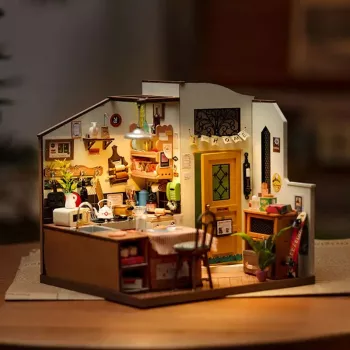
A miniature kitchen kit turns small-scale details—cabinets, cookware, and warm “homey” styling—into a hands-on craft project that ends as a decorative room box or dollhouse scene. The build is relaxing, a little meticulous, and genuinely rewarding once the tiny space starts to look “lived in.” Below is what to expect from the process, who tends to enjoy it most, how to set yourself up for a smooth assembly, and how to keep the finished kitchen looking crisp on a shelf over time.
What This Miniature Kitchen Kit Is
A miniature kitchen kit is a DIY room-style model designed to resemble a cozy, everyday kitchen scene—think small furnishings, countertop items, and décor that feels warm and realistic. Many kits are built as a self-contained vignette (a room box) that stands on its own, but it can also complement a larger dollhouse or mini interior display if the scale and style match.
It’s best approached like a craft model rather than a race-to-the-finish project. Careful handling, clean alignment, and allowing glue to set properly usually matter more than speed, especially when you’re working with tiny accessories and detail surfaces.
Who It’s For (and When It’s the Most Fun)
This style of miniature is giftable for anyone who enjoys small details, calm hobbies, and screen-free downtime. It’s typically a satisfying project for teens and adults; younger builders often need close supervision because miniature kits may involve small parts and adhesives. For small-parts safety guidance, the U.S. Consumer Product Safety Commission provides helpful background at CPSC — Toy Safety (Small Parts) Regulations and Guidance.
It’s especially fun as a weekend project, a rainy-day build, or a “one section per night” ritual where each session ends at a natural stopping point while glue cures. When finished, it works well as desk décor, bookshelf styling, or a seasonal display piece. If you’ve ever wondered why tiny interiors are so compelling to look at, the Smithsonian touches on the appeal in Why Miniatures Fascinate Us.
Quick Suitability Guide
| Builder | Why it fits | Helpful add-ons |
|---|---|---|
| Beginner | Step-by-step building teaches miniature basics | Tweezers, craft glue, small scissors |
| Intermediate | More room for neat finishing and alignment | Cutting mat, precision knife, clamps |
| Gift recipient | Delight factor from tiny kitchen details | Clear display case or dust cover |
What’s Usually Included (and What to Prepare)
Most miniature kitchen kits include a mix of mini furniture and décor pieces—kitchen-style items like shelving, containers, and countertop details—plus pre-cut or semi-finished structural components that become the walls, floor, and back panel of the scene. Many kits also include printed or textured elements used for surfaces and labels; these details add a lot of realism, but they benefit from careful trimming and smooth application.
Adhesive needs can vary by kit and material type, so having a reliable craft glue ready helps you avoid pauses mid-build. A small but effective preparation habit: sort parts into shallow trays before starting. When tiny pieces are organized early, you’ll spend far less time searching and far more time assembling accurately.
Build Experience: Time, Difficulty, and Patience
Build Planning Checklist
| Stage | Focus | Practical tip |
|---|---|---|
| Part sorting | Identify tiny pieces early | Use a shallow tray and label sections |
| Room shell | Straight corners and flat base | Dry-fit before gluing |
| Furniture assembly | Symmetry and clean joins | Wipe excess glue immediately |
| Décor placement | Story-like realism | Place larger items first, tiny items last |
Tools and Workspace Setup
Tips for a More “Homey” Finished Look
Care, Display, and Long-Term Durability
Care and Display Options
| Goal | Best option | Why it helps |
|---|---|---|
| Reduce dust | Clear acrylic cover/display case | Less cleaning and fewer parts knocked loose |
| Safer storage | Box with padding and labels | Prevents crushing small pieces |
| Easy cleaning | Soft brush + gentle air puffer | Reaches corners without damage |
Miniature Homey Kitchen Dollhouse Kit: Snapshot
If you’re looking for a cozy miniature scene with lots of little details to place and style, the Miniature Homey Kitchen Dollhouse Kit is an accessible option for hobby crafting and gift-giving. At $32.51 USD and currently in stock, it’s best suited to builders who enjoy slow assembly, careful alignment, and a display-ready finish.
For a craft setup that stays peaceful (and less interrupted), it can also help to keep curious pets occupied nearby—something like the Cactus Cat Tree Tower with Scratching Post & Condo Nest can be a practical companion purchase if a cat tends to “help” with tiny parts. And if you’re gifting the kit, pairing it with a small personal treat can make the moment feel extra special—consider the Alviero Martini Prima Classe Women’s Beige Bag with Zip as a separate gift add-on for someone who loves cozy crafts and polished everyday style.
FAQ
How long does it take to build a miniature kitchen dollhouse kit?
Most builders should plan several hours spread across multiple sessions, since careful alignment and drying time affect the final look. Beginners often take longer, and shorter sessions usually improve accuracy and reduce frustration.
What glue works best for miniature dollhouse kits?
Clear-drying craft glue (often PVA-style) is a reliable choice for many porous materials like paper and wood. Use tiny amounts, wipe any squeeze-out quickly, and match the glue to the kit’s materials for the cleanest finish.
How can the finished miniature kitchen be kept dust-free?
A clear cover or display case is the easiest way to minimize dust and accidental bumps. Keep it away from direct airflow, and use a soft brush or gentle air puffer to clean corners without snagging small accessories.








Leave a comment