Do Planar Magnetic Headphones Really Need an Amp?

Do planar magnetic headphones need a headphone amplifier to sound their best?
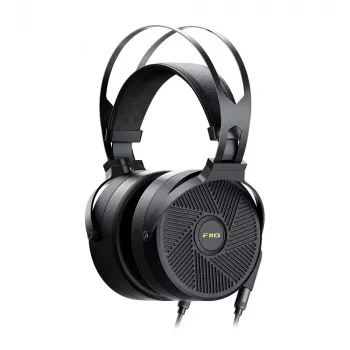
Not always, but many planar magnetic headphones do benefit from a dedicated headphone amplifier—especially if you want the strongest bass control, wider dynamics, and cleaner transients at realistic listening levels. Planars tend to have low impedance but can be less sensitive than typical dynamic headphones, which means they often demand more current than a phone or laptop can comfortably deliver.
If your planar headphones get loud enough from your device without sounding thin, gritty, or “flat,” an amp may be optional. But if you find yourself pushing volume near the top, or the sound loses punch and clarity on busy tracks, an amplifier is usually the missing piece. A quality amp can improve grip and slam, reduce distortion at higher volumes, and preserve the effortless “fast” character planars are known for.
When an amp is strongly recommended
Consider adding an amp if you’re using full-size, studio/audiophile planars; if your source is a weak headphone jack (many laptops and controllers); or if you listen to dynamic music and want headroom. You’ll also notice a bigger improvement if you pair planars with a good DAC/amp stack or a capable portable dongle designed for higher power output.
When you can skip it
Some modern planars are built for easier drivability and can sound excellent straight from a strong phone dongle, portable player, or an interface with a robust headphone out. In those cases, an amp becomes more about refining performance than “fixing” it.
For a deeper look at planar driver size, tuning goals, and practical pairing tips, see the main guide: 90mm Planar Magnetic Headphones: Studio & Audiophile Guide.
For Do Planar Magnetic Headphones Really Need an Amp?, the best answer depends on fit, material, care instructions, and how the product will be used day to day.
FAQ
What’s the difference between planar magnetic and dynamic headphones?
Planar magnetics use a thin diaphragm driven across its surface by magnets, while dynamic headphones use a voice coil attached to a cone-like driver. Planars often sound faster and more controlled, while dynamics can be more efficient and punchy depending on the model.










Leave a comment