90mm Planar Magnetic Headphones: Studio & Audiophile Guide
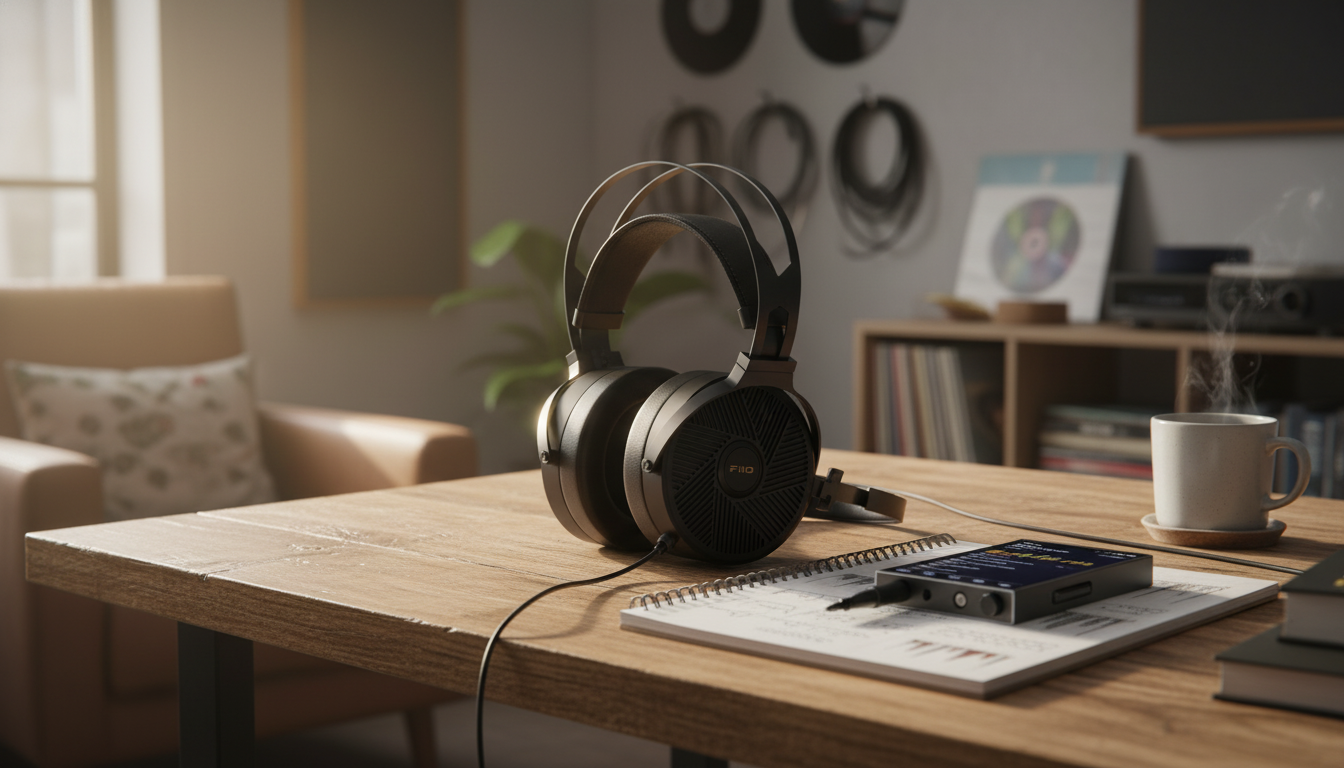
High-Performance 90mm Planar Magnetic Headphones for Audiophiles & Studio Use
Planar magnetic headphones with large drivers are often chosen for their fast transients, low distortion, and precise imaging—traits that translate well from critical listening to mixing and tracking. This guide breaks down what matters in a 90mm planar design, how it behaves in studio workflows, and what to pair it with for consistent results.
What a 90mm planar magnetic driver changes
A 90mm planar diaphragm brings a different kind of scale to headphone listening. With more surface area moving air, complex passages can sound less “strained” at moderate levels, especially in bass-heavy or densely layered music where smaller drivers may feel congested.
Planar designs are also known for quick start/stop behavior. That can translate into clearer micro-dynamics—like the front edge of a snare hit, subtle room reflections, or the texture difference between bass guitar notes—so layered arrangements remain more intelligible.
Even so, the final tonality is still heavily influenced by tuning choices, pad shape and material, and how well the headphones seal around your jawline and glasses. With larger driver assemblies, comfort and clamp force matter more than many expect: fit affects bass response, imaging stability, and fatigue during long sessions.
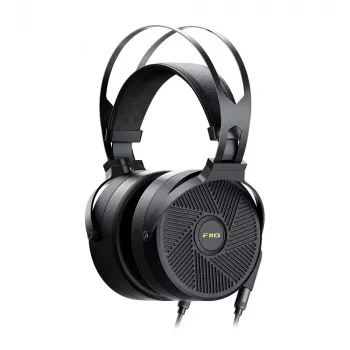
If you’re shopping for a single “do it all” set, consider starting with High-Performance 90mm Planar Magnetic Headphones for Audiophiles & Studio Use as a baseline, then plan your chain around clean headroom and consistent fit.
Sound characteristics to listen for during evaluation
When evaluating a 90mm planar, prioritize repeatable tests. Use a short playlist you know well, include a few problem recordings, and keep volume matched across comparisons.
Bass
Check extension and texture rather than just quantity. Clean sub-bass should feel present without turning into a wide “bloom” that masks low mids. Pay attention to whether kick and bass remain distinct when both hit together.
Mids
Vocals and guitars should sit forward without sounding nasal or hollow. Dense mixes are a great stress test—if the midrange is well controlled, background layers stay readable rather than turning into a flat wall of sound.
Treble
Look for smooth detail: cymbals should have definition without turning splashy or brittle. On bright recordings, sibilance (“s” and “t” sounds) should be audible but not exaggerated.
Imaging and stage
Pan positions should remain stable, especially with hard-panned elements. Binaural recordings are useful for checking placement accuracy and whether the center image feels locked or drifts when you move slightly.
Dynamics and transients
Snare attacks and plucked strings should sound crisp without turning sharp-edged. For production work, it’s a good sign if compression artifacts and subtle distortion are easy to detect at moderate monitoring levels.
Studio use: mixing, editing, and tracking considerations
Planar detail can be a productivity boost in the studio, but it also changes how you make decisions.
- Mix checks: revealing headphones make reverb tails, edit clicks, and low-level distortion easier to spot. Translation still matters—confirm on speakers before final EQ and low-end balance decisions.
- Tracking: isolation depends on open-back vs. closed-back construction. Open designs leak sound and can bleed into microphones, so they’re usually better for mixing and editing than vocal tracking in the same room.
- Latency and monitoring: prioritize a reliable audio interface and stable buffer settings over “high-res” specs. Monitoring that feels immediate encourages better performances and tighter edits.
- Session stamina: weight distribution, pad breathability, and headband hotspots decide whether you can work for hours without fatigue. A great-sounding headphone that becomes uncomfortable is a workflow bottleneck.
- Consistency: wear them the same way each time. Seal changes can shift bass balance and mislead EQ moves, especially below ~150 Hz.
Planar vs dynamic vs electrostatic: practical differences
Driver type isn’t a quality ranking—it’s a set of trade-offs. For everyday studio and listening use, practical factors like comfort, power requirements, and consistency can matter as much as raw technical performance.
| Driver type | Typical strengths | Typical trade-offs | Best fit |
|---|---|---|---|
| Planar magnetic | Fast transients, clean layering, controlled bass | Can need more power; fit/seal sensitive | Critical listening, editing, detailed mix work |
| Dynamic | Easy to drive, varied tunings, strong macrodynamics | Model-dependent distortion/resonances | General monitoring, tracking, portable rigs |
| Electrostatic | Extreme clarity and speed | Special amplification, less portable | Dedicated listening rooms, specialized mastering checks |
Power, pairing, and connectivity
A high-performance planar can only show its strengths if the chain feeding it stays clean under load.
If your chain includes a phone or small dongle DAC for on-the-go checks, a simple power accessory can prevent interruptions during longer sessions. For travel or mobile rigs, 10W Dual USB Fast Charger Adapter for Smartphones & Travel Use can be a practical add-on to keep sources topped up between takes or location edits.
For deeper technical references, standards and safety guidance from organizations like the Audio Engineering Society (AES), the IEC 60268-7 headphone measurement overview, and NIOSH safe listening concepts can help contextualize specs and monitoring habits.
Care, longevity, and maintaining consistent sound
High-Performance 90mm Planar Magnetic Headphones for Audiophiles & Studio Use: who it suits
FAQ
Do planar magnetic headphones need a headphone amplifier?
Often yes for best dynamics and control, especially with lower sensitivity models. Check the headphone’s sensitivity/impedance and make sure your interface or amp can deliver clean power without audible distortion at your normal listening level.
Are planar magnetic headphones good for mixing and mastering?
They can be excellent for detail, imaging, and spotting subtle issues. Results translate best when you keep fit and seal consistent and confirm decisions on speakers or a trusted room/crossfeed solution.
What is the advantage of a larger 90mm driver?
A larger diaphragm can move air with less strain at the same volume and may improve the sense of ease and low-end authority. Tuning, pads, and enclosure design still determine the final tonal balance.










Leave a comment