Hydrogen Inhalation Machines: Home Use, Specs & Safety
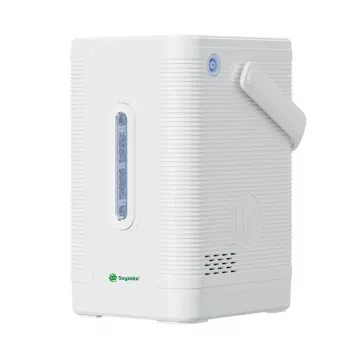
Hydrogen Inhalation Machine: What It Is, How It Works, and Practical Use at Home
Hydrogen inhalation devices are designed to generate molecular hydrogen (H2) and deliver it through a nasal cannula or mask for short sessions. Interest centers on hydrogen’s role as a selective antioxidant and its use in research settings. This guide explains the basics of how these machines work, what to look for in a device, how sessions are commonly structured, and the key safety and evidence-based cautions to keep expectations realistic.
What a Hydrogen Inhalation Machine Does
A hydrogen inhalation machine generates molecular hydrogen gas from water (most commonly via electrolysis) and routes it to a breathing interface such as a nasal cannula or mask. The goal is steady, repeatable hydrogen delivery during a session, usually described as a flow rate (for example, mL/min or L/min).
These devices are generally positioned for personal wellness routines. They are not a substitute for medical oxygen therapy, and they should not be treated as a prescribed respiratory treatment device unless specifically cleared and regulated for that purpose.
Common components include a water reservoir, an electrolyzer cell (the part that splits water), tubing, a cannula or mask, filters, and a control/display panel for timers or basic settings.
How Hydrogen Gas Is Produced and Delivered
Most home units rely on electrolysis, which separates water into hydrogen and oxygen. Many designs vent oxygen separately and deliver hydrogen (often mixed with ambient air at the interface) to the user. Output consistency can vary depending on water purity, cell/membrane quality, temperature, and how well the device is maintained.
Delivery options: cannula vs. mask
A nasal cannula is popular for hands-free, lower-pressure sessions and tends to feel less “closed-in.” A mask may provide a stronger perceived intake, but comfort and seal quality matter; gaps and shifting can change how consistent the experience feels from one session to the next.
Controls and monitoring
Some machines include timing presets, alarms, or basic sensors. Others are more manual and depend on routine user checks (water level, tubing condition, filter status). For any design, predictable output over time typically depends on using the specified water and keeping consumables current.
Evidence and Expectations: What’s Known and What Isn’t
Molecular hydrogen has been studied for potential antioxidant and anti-inflammatory effects, with research spanning lab models and early-stage clinical contexts. A frequently cited overview is available through the National Center for Biotechnology Information (NCBI). That said, results can differ widely based on the dose, duration, delivery route (inhalation vs. hydrogen-rich water vs. saline), and the specific condition being studied.
For at-home wellness use, it helps to treat hydrogen inhalation as experimental and supportive rather than curative. Avoid self-diagnosing or attempting to treat medical conditions without clinician oversight. People with chronic illness, those who are pregnant, or anyone on complex medication regimens should consult a qualified clinician before starting.
For broader safety perspective on consumer and medical devices, the U.S. Food & Drug Administration (FDA) medical device resources are a practical reference point for safe-use habits and understanding device categories.
Key Specs That Influence Everyday Use
Specs determine how convenient a machine feels day to day—especially if you plan to use it regularly. The most important factors are output, water requirements, noise, maintenance demands, and portability.
Quick Comparison Checklist for Home Use
| Feature | Why it matters | What to confirm before buying |
|---|---|---|
| Hydrogen output/flow rate | Determines how much H2 is delivered per minute and how long sessions may take | Published output range, how it’s measured, and whether it’s stable over time |
| Water type & capacity | Affects convenience and device longevity | Distilled water requirement, tank size, refill frequency |
| Delivery interface | Comfort and consistency during breathing | Cannula/mask included, tubing length, replacement availability |
| Noise & heat | Impacts comfort during longer sessions | dB rating (if provided), fan ventilation, heat management |
| Maintenance plan | Keeps output consistent and reduces downtime | Cleaning steps, filter schedule, cell lifespan, warranty coverage |
| Safety features | Reduces risk from misuse or component failure | Auto shutoff, leak/overheat protection, clear operating instructions |
Safety Basics and Setup Practices
Hydrogen is flammable at certain concentrations in air, so location and habits matter. Use the device in a well-ventilated area and keep it away from open flames, smoking, or spark sources. For a general overview of hydrogen hazards and handling, consult the National Fire Protection Association (NFPA).
Typical Session Structure (General Wellness Routines)
Product Options Available
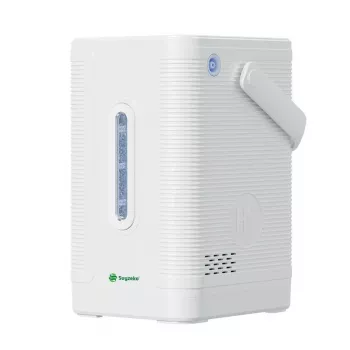
- Hydrogen Inhalation Machine (in stock): a standalone device intended for generating and delivering hydrogen for inhalation sessions. Before purchasing, confirm included accessories (cannula/mask), maintenance items, and any published output specifications on the product page.
- 10W Dual USB Fast Charger Adapter for Smartphones & Travel Use (in stock): helpful for keeping a phone or timer-powered during longer relaxation routines, especially if your setup is away from a desk or main charging area.
Care, Cleaning, and Long-Term Performance
FAQ
Is hydrogen inhalation safe for everyday use?
Safety depends on proper ventilation, keeping the device away from flames or sparks, and following the manufacturer’s operating and water instructions. If you’re pregnant, have chronic health conditions, take complex medications, or use oxygen therapy, consult a qualified clinician before using hydrogen inhalation.
How long does a typical hydrogen inhalation session last?
Session duration varies by device output and personal comfort, so it’s best to start with shorter sessions and adjust gradually. Follow the device’s guidance and stop if you feel irritation, dizziness, or discomfort.
Do I need distilled water for a hydrogen inhalation machine?
Many machines recommend distilled water (or a specific purity standard) to prevent mineral scaling and help maintain stable output. Check the exact requirement for your model, since water quality can directly affect maintenance frequency and performance.










Leave a comment