Smart Fitness Hoop Massage: Easy Low-Impact Core Cardio
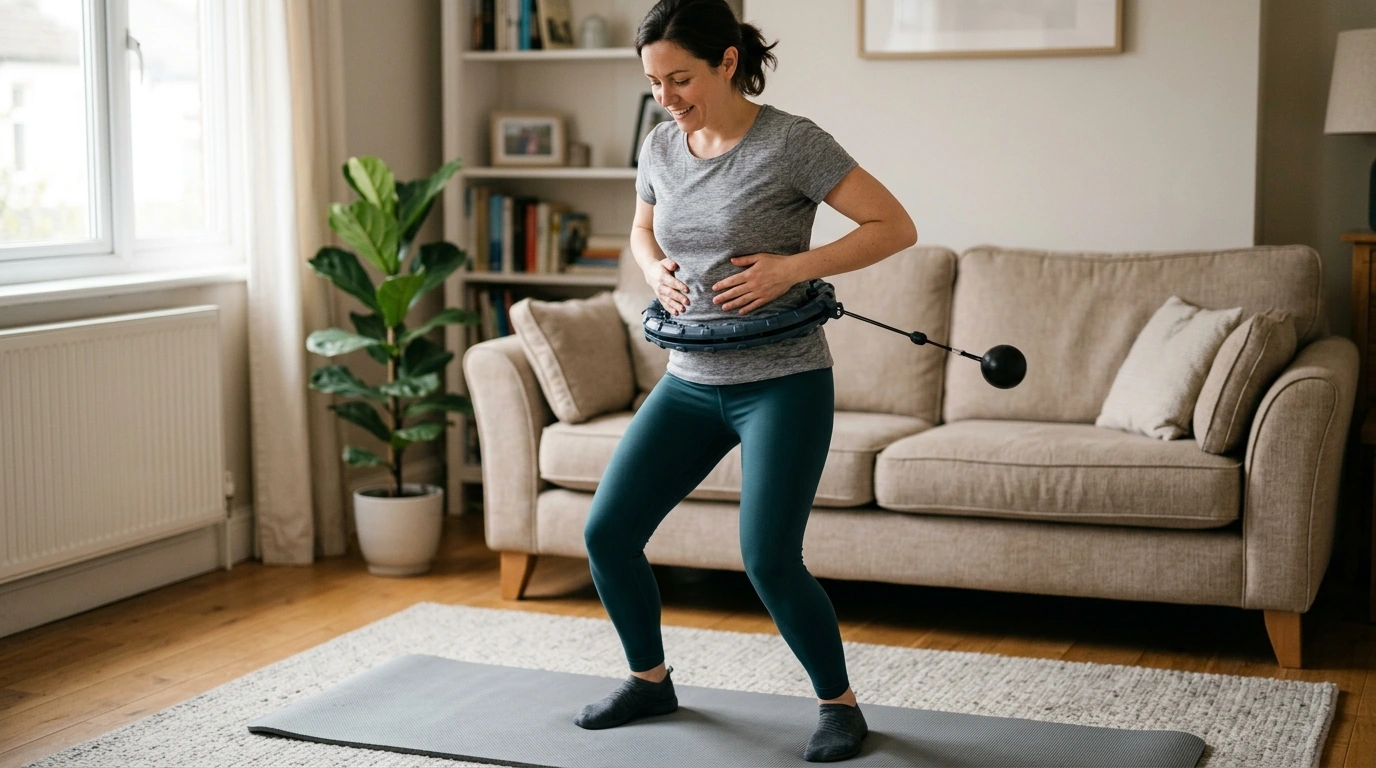
Smart Fitness Hoop with 360-Degree Massage: A Low-Impact Way to Move, Tone, and Stay Consistent
A smart fitness hoop adds structure to a classic workout tool by combining a guided, repeatable motion with a 360-degree massage ring that stays in place while moving. It’s designed for people who want a low-impact routine they can do at home—especially when traditional hoops feel frustrating to keep up. Below is a practical breakdown of how it works, what to expect, how to use it safely, and how to decide if it fits your routine.
What It Is and How It Works
- A segmented hoop fastens around the waist, so it doesn’t rely on constant spinning balance like a traditional hoop.
- A moving weighted component travels along a track as the hips rotate, creating steady resistance and momentum.
- A 360-degree massage contact surface is designed to provide continuous pressure around the waist during movement.
- Best suited for low-impact cardio, coordination practice, and core engagement rather than high-intensity training.
Instead of trying to “keep the hoop up,” the goal is to maintain a smooth, controlled hip circle so the weight glides consistently. That small change often makes daily movement feel more approachable—especially on days when motivation is low and a complicated workout sounds like too much.
Who It’s For (and Who Should Skip It)
- Good fit for beginners who want an easier learning curve than a classic hula hoop.
- Helpful for people who prefer short, repeatable sessions (10–20 minutes) that can be done while watching TV or listening to a podcast.
- May suit those seeking gentle midsection stimulation from massage nodes during rhythmic movement.
- Skip or get medical clearance if pregnant, recently postpartum, recovering from abdominal surgery, or managing acute back/hip pain.
- Not ideal as a sole solution for major fat loss goals; results depend on overall activity, nutrition, and consistency.
If you’re building a habit, low-impact tools can be a practical bridge—especially when combined with general activity targets recommended by major health organizations like the CDC and ACSM.
Benefits to Expect with Consistent Use
- Low-impact cardio: elevates heart rate without joint-heavy impact, depending on pace and duration.
- Core engagement: repeated trunk stabilization can support core endurance when posture is maintained.
- Routine adherence: a device that stays on the waist reduces the “keep it from falling” barrier that derails many beginners.
- Massage sensation: the contact points may feel stimulating; pressure tolerance varies widely, so intensity should be built gradually.
To gauge how hard you’re working, simple methods like talk-test pacing or perceived exertion can help you stay in a sustainable zone (the Mayo Clinic’s guide to exercise intensity is a useful reference). For many people, the “best” intensity is the one that’s comfortable enough to repeat tomorrow.
How to Use It: Setup, Form, and a Starter Plan
- Fit and setup: fasten the hoop snugly around the waist so it doesn’t shift; ensure the track is closed and secure before starting.
- Form cues: stand tall, soften knees, brace the core lightly, and move hips in a controlled circular pattern (avoid excessive arching).
- Start easy: begin with 5 minutes at a comfortable pace to assess pressure and coordination, then add time gradually.
- Beginner plan (1–2 weeks): 10 minutes per session, 4–5 days/week, focusing on smooth rhythm and posture.
- Build plan (weeks 3–4): 15–20 minutes per session, 4–6 days/week; increase pace slightly or add a second short round after a rest.
- Comfort tips: wear a fitted top; if massage pressure feels too intense, reduce duration first before increasing speed.
| Experience level | Session length | Weekly frequency | Primary focus |
|---|---|---|---|
| New to hooping | 5–10 minutes | 3–5 days | Comfort, gentle rhythm, posture |
| Building consistency | 10–20 minutes | 4–6 days | Steady pace, core brace, breathing |
| More conditioned | 20–30 minutes | 4–6 days | Tempo changes, longer continuous sets |
A simple way to stay consistent is to “earn your speed.” Add minutes first, then add pace. Longer, comfortable sessions usually lead to better technique and less next-day soreness than pushing hard too soon.
Safety, Comfort, and Common Mistakes
What to Look For Before Buying a Smart Fitness Hoop
Product Snapshot: Smart Fitness Hoop with 360-Degree Massage
- Name: Smart Fitness Hoop with 360-Degree Massage
- Price: $40.51
- Availability: In stock
- Best for: beginners and routine builders who want a low-impact at-home movement option with continuous massage contact.
- Practical tip: start with shorter sessions to adapt to massage pressure, then increase duration before chasing speed.
More In-Stock Finds
- Cactus Cat Tree Tower with Scratching Post & Condo Nest (in stock)
- Alviero Martini Prima Classe Women’s Beige Bag with Zip (in stock)
FAQ
Does a smart fitness hoop help with belly fat?
It can contribute to calorie burn as low-impact cardio, but it won’t “target” belly fat on its own. Fat loss is driven by overall calorie balance plus consistent activity and nutrition habits.
How long should a beginner use a smart fitness hoop each day?
Start with 5–10 minutes to learn the motion and test comfort, then build toward 15–20 minutes as your body adapts. If you feel overly sore or notice bruising that worsens, take a rest day and reduce the next session.
Why does the massage ring feel uncomfortable at first?
The pressure points can feel intense until your skin and core tolerate the repeated contact. Try a snug-but-not-tight fit, wear a fitted shirt, slow the pace, and shorten the session; stop if you feel sharp pain, numbness, or bruising that keeps getting worse.








Leave a comment