2L Smart Pet Feeder Timer Guide for Cats & Small Dogs
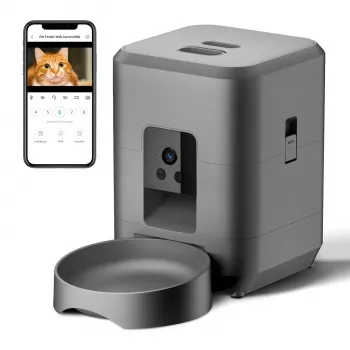
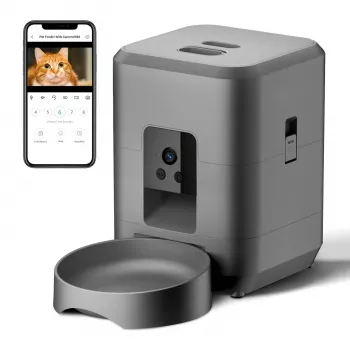
Smart 2L Automatic Pet Feeder with Timer for Cats and Dogs
A timed automatic feeder keeps mealtimes steady when the day runs long, supports portion control, and helps reduce missed feedings. A compact 2L smart feeder is a practical fit for cats and many small-to-medium dogs that eat dry kibble on a schedule, especially in kitchens, laundry rooms, or a dedicated feeding station where you want a tidy footprint and repeatable results.
If you’re shopping for a dependable daily routine—without turning feeding into a constant calendar reminder—a timer-based dispenser can be a simple upgrade that still keeps you in control of what and how much your pet eats.
What It Does (and Who It Helps Most)
A timed feeder dispenses measured portions of dry food at set times, helping reduce the “whenever we remember” pattern that can creep into busy weeks. It’s especially helpful for early mornings, late workdays, short overnight trips, and households where more than one person feeds (and accidental double dinners become a thing).
- Provides scheduled dry-food portions to reduce irregular feeding times.
- Useful for early mornings, late workdays, short trips, and multi-pet households (with supervision).
- Helpful for pets that do best on routine (weight-management plans, grazers transitioning to meals).
- Designed for dry kibble within the feeder’s compatible size range; not intended for wet or refrigerated foods.
- A good fit for cats and many dogs that thrive with measured portions rather than constant free-feeding.
Key Features to Look For in a Timed Feeder
Timed feeders vary more than they look at first glance. Focusing on a few practical details can prevent most day-to-day headaches.
- Capacity: A 2L hopper often covers several days for many cats, and fewer days for dogs depending on portion size.
- Timer and scheduling: Confirm how many meals per day are supported and how quickly you can adjust times.
- Portion control: Look for repeatable portion steps and a simple way to test output before relying on it.
- Jam resistance: A well-shaped chute plus the right kibble size reduces clogs; routine cleaning matters too.
- Power options: Wall power plus battery backup helps keep schedules consistent during outages.
- Bowl design: A stable, spill-resistant bowl helps messy eaters; easy-to-sanitize materials make daily life simpler.
- Security: Locking lids or twist-top designs reduce “creative” break-ins from determined pets.
At-a-Glance Specs and Practical Limits
A 2L hopper is convenient, but it’s not a “set it and forget it” appliance. You’ll still want to keep an eye on appetite, stool quality, and overall behavior—because changes can signal stress or health issues. Timed feeding supports routine; it doesn’t replace daily observation.
| Detail | What it means at home |
|---|---|
| Capacity | 2L hopper reduces refill frequency for many cats and small dogs |
| Food type | Dry kibble only; avoid wet, raw, or sticky toppers |
| Scheduling | Set meal times to keep a steady daily routine |
| Best for | Cats and dogs that do well with measured portions |
For food safety basics—like avoiding spoiled food and keeping feeding gear clean—authoritative references can be helpful, including AVMA pet food safety guidance and the FDA’s pet food safety and recall information.
Setup, Calibration, and Daily Use
A few minutes of setup and portion testing can prevent weeks of “Why does breakfast look different every day?”
- Choose the right spot: Place the feeder on a level surface away from humidity sources (dishwasher vents, steamy stovetops) to keep kibble crisp.
- Calibrate portions before going hands-off: Run several test portions and measure output with a kitchen scale so the schedule matches your pet’s calorie plan.
- Introduce it gradually: Pair the dispensing sound with something positive and supervise the first few meals so your pet builds confidence.
- Refill before it’s totally empty: Topping up while there’s still food inside can reduce crumbling and help dispensing stay consistent.
- Track the first week: A simple log (time, portion, pet response) makes it easier to fine-tune.
For pets that need enrichment between meals, pairing a consistent feeding routine with an engaging home setup can help reduce boredom. A cat-friendly climbing option like the Cactus Cat Tree Tower with Scratching Post & Condo Nest can complement scheduled meals by giving cats a predictable “hunt, eat, rest” rhythm—especially in multi-cat homes.
Cleaning and Food Safety
Dry food still leaves oils behind, and those oils can turn rancid over time. A clean feeder is more reliable (fewer jams) and more appealing (less stale smell).
If you’d like deeper general nutrition guidance for choosing appropriate diets and feeding practices, the WSAVA Global Nutrition Guidelines (owner resources) are a strong reference point.
Common Issues and Simple Fixes
Kibble jams
Inconsistent portions
Pets won’t approach the feeder
Multi-pet conflicts
When a Timed Feeder Isn’t Enough
Shop In-Stock Options
- Smart 2L Automatic Pet Feeder with Timer for Cats and Dogs – Food Dispenser
- Cactus Cat Tree Tower with Scratching Post & Condo Nest
FAQ
How many days of food does a 2L automatic feeder hold?
It depends on your pet’s daily portion size and how dense the kibble is, but 2L commonly lasts several days for many cats and fewer days for dogs. For accuracy, weigh a day’s worth of kibble and compare it to how much the hopper holds, and keep an eye on freshness.
Can an automatic feeder help with portion control and weight management?
Yes—scheduled, measured meals can improve consistency, which is a big part of portion control. For weight loss, set calorie targets with a veterinarian when possible, calibrate portions with a kitchen scale, and avoid “extra” treats that erase the planned deficit.
What type of kibble works best to prevent jams?
Uniform, dry kibble pieces typically flow best. Avoid very large, irregular, oily, or crumbly foods, and clean out broken bits regularly so they don’t build up in the chute and hopper.








Leave a comment