Detachable Single-Leg Iron Camping Lamp Holder Guide
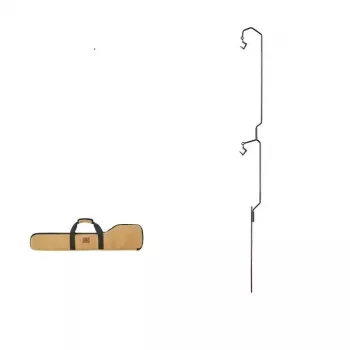
Portable Single-Leg Iron Camping Lamp Holder with Detachable Design
Good light changes everything at camp: cooking feels safer, gear stays organized, and evenings run longer without juggling a lantern in one hand. With our Portable Single-Leg Iron Camping Lamp Holder with Detachable Design, you get a stable, dedicated place for your camp light—packing down quickly thanks to a detachable design and setting up wherever a single, solid support makes the most sense.
What this lamp holder is made to solve
A campsite works better when the light is predictable. Instead of moving a lantern from table to tent to tailgate (and losing it in the process), a stand creates a consistent “light zone” you can build your routine around.
- Creates a consistent light zone for cooking, cards, gear sorting, and tent entry
- Reduces the need to hang lanterns from trees, ridgelines, or improvised hooks
- Keeps a lamp positioned off the ground to avoid glare, shadows, and accidental kicks
- Helps organize camp by turning “where’s the light?” into a fixed, repeatable setup
As a general best practice, keeping setups tidy and minimizing impact helps everyone enjoy camp more—especially when you follow established outdoor ethics like the Leave No Trace Seven Principles.
Detachable design: packable, quick, and easy to stow
Detachable gear earns its keep when you’re packing tight or breaking camp often. Our team likes detachable construction for the “real life” moments: late arrivals, early departures, and quick moves between sites.
- Detachable construction is ideal for compact packing in bins, backpacks, or car-camping totes
- Faster setup and takedown for overnights, road trips, and frequent campsite moves
- Simple breakdown makes it easier to keep the holder clean and separated from other gear
- Practical for mixed trips: a stable light stand without committing to bulky, rigid poles
Single-leg stability: where it shines
A single-leg design is about smart placement. In tighter campsites or narrow spots beside a table, it’s often easier to fit than wide bases, and it can be simpler to nestle around rocks or roots.
- Works well in tighter campsites where a multi-leg base would take up space
- Easy to position next to a table, stove area, or tent door for task lighting
- A single support can be more convenient to place among rocks, roots, and uneven ground
- Best results come from choosing firm ground and keeping the lamp centered and balanced
If wind picks up, a lower light position and a sheltered placement (leeward side of a vehicle, boulder, or natural windbreak) typically performs better than trying to “power through” gusts.
Where to place it for better camp lighting
Light placement is the difference between “bright” and “useful.” Before sunset, pick a spot that supports how you actually move around camp—then you’re not rearranging gear in the dark.
- Cooking zone: set slightly behind the prep area to reduce shadows on the cutting surface
- Dining zone: place to the side of the table so faces are lit without harsh glare
- Tent entry: position off to one side to light zippers and shoes without shining into the tent
- Gear zone: set near a bin or tailgate to keep chargers, maps, and small items visible
- Walkway marker: aim light downward to define the path between tent and table without blasting neighbors
Use it safely with lanterns and camp lights
A dedicated holder helps keep hot or fragile lights away from foot traffic—but you still want a simple safety routine, especially with open flame. For broader awareness around open-flame risks, the NFPA’s guidance on candle safety is a helpful reference point for clearance, stability, and attentiveness.
Quick setup checklist
At-a-glance planning table: common camp setups
| Activity area | Best placement | Lighting goal | Safety note |
|---|---|---|---|
| Cooking / stove | Behind and slightly above prep surface | Bright task lighting with fewer shadows | Keep heat and flame clear of fabric and fuel |
| Dining table | Off to the side, not directly overhead | Comfortable ambient light | Avoid blinding line-of-sight glare |
| Tent entrance | 1–2 steps away from door, angled down | Zipper, shoes, and footing visibility | Keep clear of guylines and foot traffic |
| Gear / tailgate | Near bins or inside a defined “gear corner” | Find small items quickly | Secure cords so they don’t snag |
Who this holder fits best
Care and storage tips
More from our store
If you’re building a trip kit beyond lighting, our team also keeps a few handy staples in rotation. For travel days and camp-to-town transitions, you can also check out the Alviero Martini Prima Classe Women’s Beige Bag with Zip for organized carry.
FAQ
What types of camping lights work with this lamp holder?
Many common camping lanterns and camp lights can work well as long as the light can be securely mounted or hung and the overall load stays balanced. The key is keeping weight centered so the holder isn’t pulled sideways by cords or off-angle hanging points.
Is a single-leg lamp holder stable in wind?
Stability depends on firm ground, correct placement, and keeping the light centered and not top-heavy. In wind, lowering the light, moving it to a sheltered spot, and rechecking stability after gusts can make a noticeable difference.
How should it be placed to light a cooking area without glare?
Place it slightly behind and above your work area so the beam aims downward onto the cutting surface rather than into your eyes. Use moderate brightness and keep the light out of direct line of sight to reduce glare while still getting clear task lighting.








Leave a comment