450RPM Cordless Spin Scrubber: Clean Tile & Grout Fast
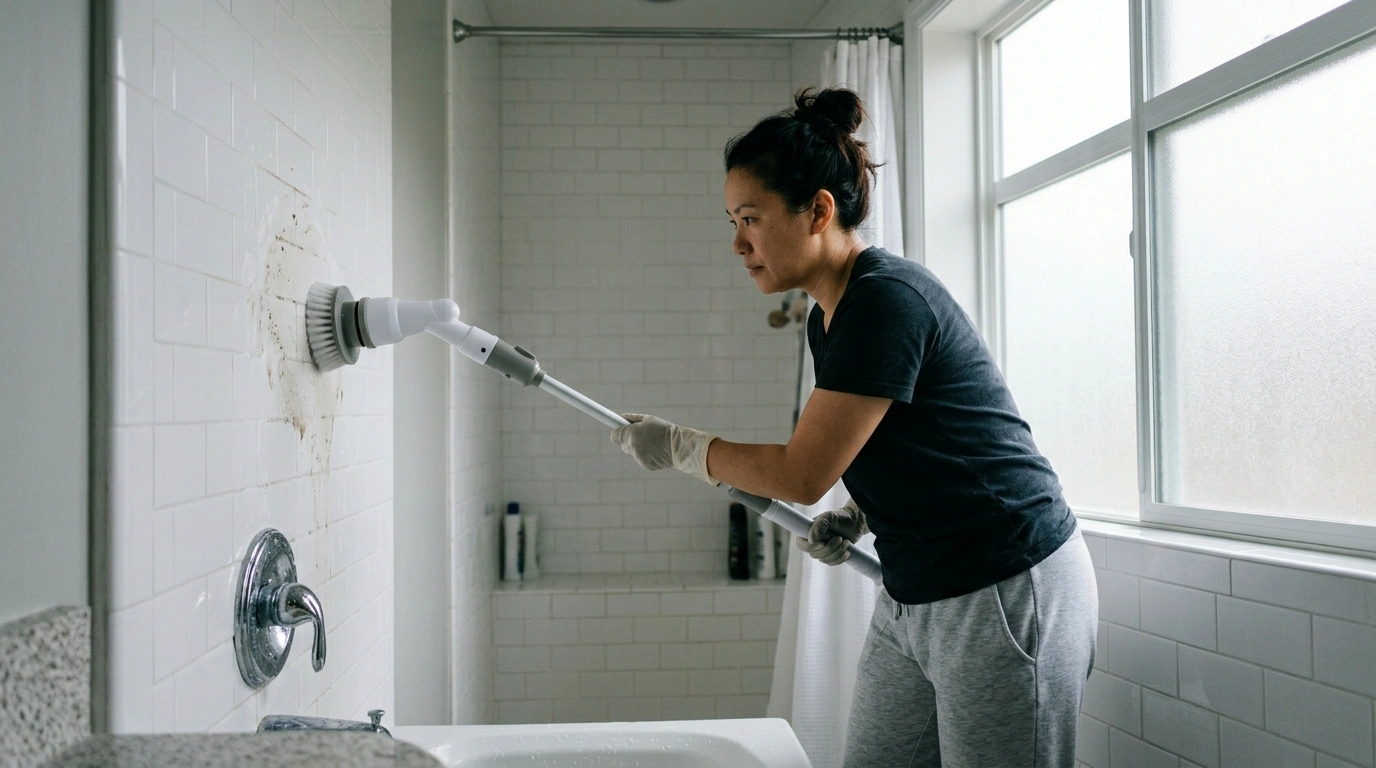
450RPM Cordless Spin Scrubber: Faster Bathroom, Tile, and Shower Cleaning Without the Strain
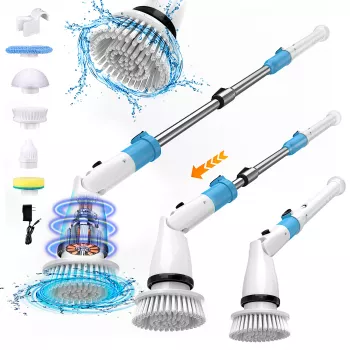
When scrubbing turns into sore wrists and endless bending, cleaning stops being “quick.” A cordless electric spin scrubber puts the rotation to work so grime lifts with less pressure from your hands. Our 450RPM cordless scrubber pairs a high-speed spin with five brush heads and an extendable handle—built for tubs, shower walls, tile grout lines, sinks, and other hard-to-reach spots where buildup loves to hide. For more guidance, see Best Power Scrubbers, Lab-Tested and Reviewed.
What This Spin Scrubber Is Made to Solve
- Cuts down on hand-scrubbing time by using a powered spinning head rather than repeated manual pressure.
- Reduces bending and reaching with an extendable handle for vertical surfaces like shower walls and tub surrounds.
- Helps target common buildup zones: soap scum on tile, grime along tub edges, residue around faucets, and dirt in textured surfaces.
- Keeps cleaning simpler with cordless movement—no cord snagging on shower doors or counters.
450RPM Power + Cordless Freedom: How to Use It for Real-World Cleaning
To get the most from a spin scrubber, treat it like a “loosen and lift” tool—not a grinder. Our team recommends this simple flow: For further reading, see Electric Spin Scrubber for cleaning – smartfindshub.org.
- Start with the right cleaner for the job: a bathroom cleaner for soap scum, a degreaser for kitchen mess, or a general-purpose cleaner for everyday dirt (always follow the cleaner’s label).
- Let product do the work: apply cleaner, wait the recommended dwell time, then bring in the spinning brush to loosen and lift.
- Use light pressure: rotation is the main force. Pressing hard can slow the brush and may cause splatter.
- Work in sections: top to bottom on shower walls, edge to center on tubs, and short passes on grout lines for consistent results.
- Finish clean: rinse, then do a quick wipe-down so residue doesn’t dry back onto the surface.
For disinfecting steps after cleaning, follow trusted safety guidance from sources like the CDC and the EPA. If you use bleach products, chemical mixing risks are real—Poison Control has clear, practical warnings.
Five Brush Heads: What Each One Is Best For
Different shapes clean differently. Swap heads based on the surface and the “geometry” of the mess—wide coverage for big panels, precision for seams and corners. If you plan to use the scrubber in multiple rooms, keep one head reserved for bathroom-only use to help prevent cross-contamination. After every session, rinse the head thoroughly and let it dry completely.
Quick Guide to Brush Head Jobs
| Brush head type | Best for | Tips for cleaner results |
|---|---|---|
| Large flat brush | Shower walls, tile panels, tub sides | Use overlapping passes; finish with a rinse to prevent streaking |
| Round brush | Sinks, tubs, curved surfaces, toilet exterior (not inside bowl) | Angle slightly to reach along edges and around fixtures |
| Corner/detail brush | Corners, grout edges, tracks, tight seams | Use short controlled passes; avoid digging into caulk lines |
| Soft brush/pad (if included in your set) | More delicate surfaces that scratch easily | Test a small spot first; keep pressure light |
| Heavy-duty/scouring-style head (if included in your set) | Stubborn spots on durable surfaces | Use with caution; avoid high-gloss, painted, or easily scratched finishes |
Extendable Handle: Cleaning Higher, Lower, and Harder-to-Reach Places
- Use the handle extension for shower walls, backsplashes, and tub surrounds to reduce bending and stretching.
- For tight areas (sink basins, inside corners), shorten the handle for better control.
- When working overhead or on vertical tile, keep the brush flat to the surface to prevent skipping.
A practical tip: on vertical walls, let the brush “float” while you guide it. If you feel the tool hopping, reduce pressure and adjust the angle so the full face of the head stays in contact.
Where It Fits Best: Bathroom, Kitchen, and Entryway Jobs
- Bathroom: tubs, shower doors/frames, tile walls, grout edges, sinks, faucet bases, and around drains (avoid forcing the brush into drain openings).
- Kitchen: backsplash tile, stove-area splatter zones, sink surfaces, and durable countertop areas (spot-test first).
- Entryway and utility areas: baseboards, textured floor tile, and stubborn scuffs on hard, non-delicate surfaces.
Surface-Safety Basics (So the Tool Helps Instead of Hurts)
- Spot-test first on painted, polished, or easily scratched materials (acrylic, soft plastics, delicate finishes).
- Avoid weak seams: don’t catch brush edges on loose grout, failing caulk, or peeling sealant—repair first, then clean.
- Use only surface-approved cleaners and never mix chemicals (especially bleach with ammonia-based products).
- Keep water away from charging ports and follow included charging instructions for safe use.
Simple Care: Keeping the Scrubber and Heads Ready for Next Time
Product Picks from Our Store
- 450RPM Cordless Electric Spin Scrubber with 5 Brush Heads & Extendable Handle — built for faster scrubbing with cordless handling, plus multiple heads for walls, grout edges, corners, and curved surfaces.
- Cactus Cat Tree Tower with Scratching Post & Condo Nest — a practical add-on if you’re organizing a mudroom or laundry area cleanup routine and want a dedicated spot that helps keep pets off freshly cleaned surfaces.
FAQ
Is a 450RPM spin scrubber safe for grout and tile?
It’s generally safe on tile and grout when you use the right brush head, keep pressure light, and avoid damaged grout or failing caulk. Letting your cleaner dwell first reduces how much scrubbing force you need.
How do the brush heads get cleaned after use?
Rinse them thoroughly, remove trapped debris (like hair or fibers), and air-dry completely. If you clean multiple areas, reserving a bathroom-only head set helps reduce cross-contamination.
Do chemical cleaners matter, or can it be used with just water?
Water can help with light soil, but soap scum and grease usually need an appropriate cleaner to break them down. Follow label directions for dwell time and never mix chemicals.









Leave a comment