10-Minute Pet Cleanup Routine for Busy Homes
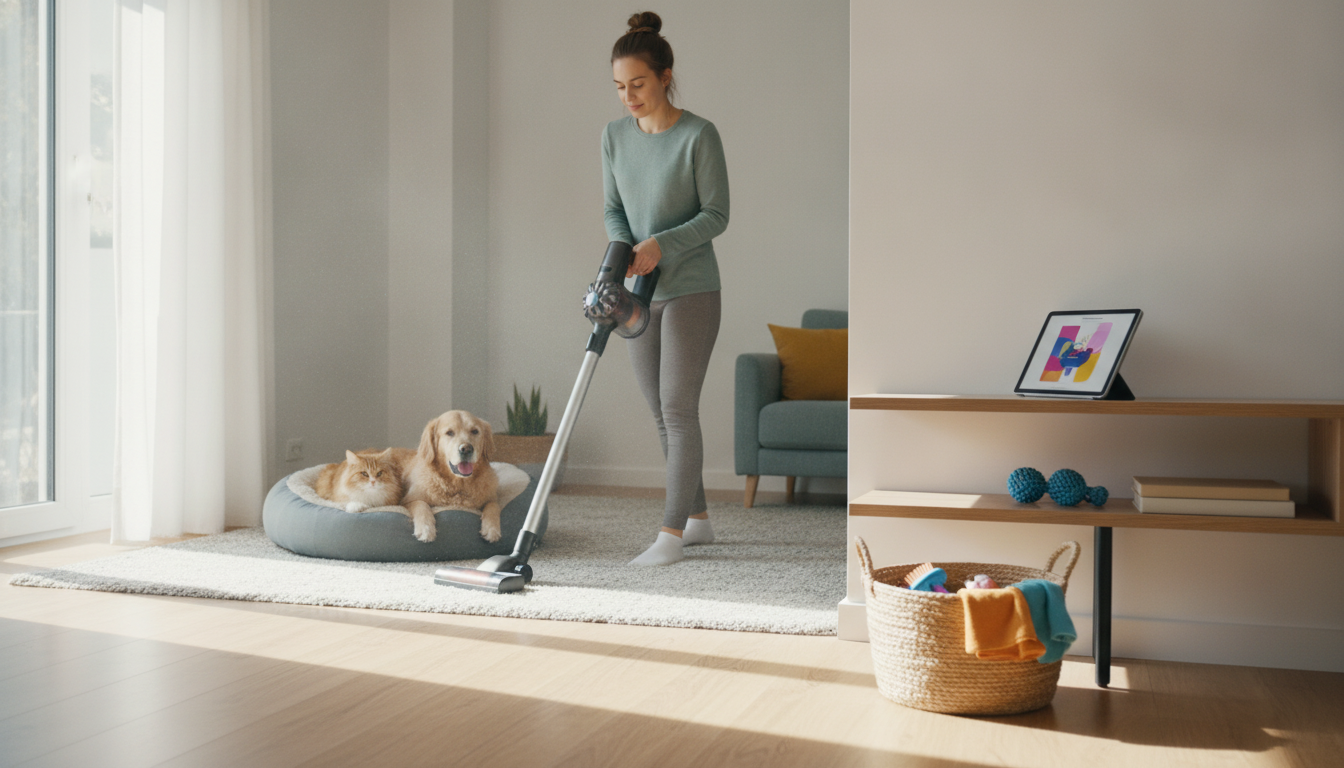
Fast and Easy Pet Cleanup for Busy Homes: Quick Routines, Tools, and a Simple Plan
Pet messes rarely wait for a “better time.” The fastest cleanup comes from having the right supplies within reach, using a repeatable routine, and knowing which method fits the mess (hair, odors, accidents, muddy paws, litter scatter). Below is a practical, low-effort system you can run on autopilot—plus quick kits, a simple schedule, and a step-by-step plan that keeps your home feeling clean without turning every day into a deep-clean day.
The 10-minute reset: a simple cleanup system that actually sticks
The goal isn’t perfection—it’s preventing buildup. A consistent 10-minute reset does more for odors, hair, and grime than occasional marathon cleaning.
- Set up two “cleanup stations”: one near the main entry (muddy paws, fur tumbleweeds) and one near the pet’s primary area (litter, feeding, bedding).
- Use a timer: 10 minutes once per day keeps mess from becoming a weekend project.
- Keep supplies visible and one-step: wipes, enzyme cleaner, paper towels, trash bags, lint roller, small broom/dustpan, and a washable mat.
- Follow a “top-to-bottom, dry-to-wet” order: pick up debris and hair first, then treat spots, then wipe and mop.
- Make refills frictionless: store extra bags, wipes, paper towels, and cleaner right under each station so nothing runs out mid-mess.
Quick cleanup kits by mess type (so the right tool is always ready)
Instead of hunting for supplies after a surprise accident, keep mini “kits” grouped together (a small caddy, bin, or basket works). Match the kit to the mess type you see most often.
- Accidents on carpet: disposable gloves, paper towels, enzyme cleaner, a small spray bottle of water, and a clean towel for blotting.
- Accidents on hard floors: paper towels, enzyme cleaner, microfiber cloth, and a small trash bag for fast disposal.
- Shedding and dander: rubber broom or squeegee for rugs, lint roller for fabric, and a handheld vacuum for corners and furniture seams.
- Muddy paws: absorbent towel, paw wipes, and a washable runner/mat at the door to catch debris before it spreads.
- Litter scatter: handheld broom/dustpan and a small bin or bag next to the box so it gets handled immediately.
Fast fixes: common pet messes and what to do first
| Mess | First 60 seconds | Next step | Avoid |
|---|---|---|---|
| Urine on carpet | Blot (don’t rub) with paper towels | Apply enzyme cleaner; let it dwell; blot again | Steam cleaning immediately; ammonia-based cleaners |
| Vomiting on floor | Lift solids with paper towel/cardboard | Clean with mild detergent; disinfect if needed | Mixing cleaners (especially bleach + ammonia) |
| Mud tracks | Let mud dry if heavy | Vacuum/sweep, then damp-mop | Wet-mopping gritty mud (grinds it in) |
| Pet hair on upholstery | Use rubber glove/squeegee to gather | Vacuum with upholstery tool | Over-wetting fabric without checking care label |
| Litter scatter | Quick sweep into dustpan | Place a mat; consider high-sided box | Waiting days (odor and tracking increases) |
Odor control that works (without over-spraying fragrances)
If odors keep returning, it’s usually because residue remained in fibers—or cleaner didn’t sit long enough to work.
- Use enzyme-based cleaners for organic odors (urine, vomit) and follow the label dwell time.
- Ventilate first: open windows or run exhaust fans while cleaning to reduce lingering smells.
- Wash soft items on a schedule: bedding covers, throw blankets, and washable rugs hold odor more than hard floors.
- Target hot spots: around the litter box, favorite nap corners, and feeding areas can smell even when they look clean.
- Deodorize safely: baking soda on washable rugs (vacuum after sitting) and activated charcoal sachets near odor zones; avoid essential oils around pets unless a veterinarian has confirmed safety.
For general cleaning and disinfecting guidance (especially after messes that could spread germs), refer to the CDC’s recommendations on how to clean and disinfect and the EPA’s guidance on using disinfectants safely.
Daily, weekly, monthly: a low-effort schedule for a consistently clean home
A schedule prevents “mystery smells” and keeps hair from migrating into every corner.
Accidents and stains: quick steps that reduce repeat marking
For more pet safety and care resources, the ASPCA is a helpful starting point.
Make cleanup easier tomorrow: small setup changes that prevent mess
If your home has “cat high-traffic” furniture zones, a dedicated scratch-and-climb option can help redirect wear: Cactus Cat Tree Tower with Scratching Post & Condo Nest.
A step-by-step plan for busy owners who want a cleaner home fast
If you want a structured, printable routine with checklists so every cleanup decision is already made, use the Fast and Easy Pet Cleanup eBook and Guide.
FAQ
What is the fastest way to clean up pet urine and stop the smell from coming back?
Blot thoroughly first, then use an enzyme-based cleaner and give it the full dwell time listed on the label. Blot again and dry completely with airflow; avoid ammonia-based products that can encourage repeat marking.
How can pet hair be removed quickly from furniture without spending hours vacuuming?
Gather hair first with a rubber glove, squeegee, or rubber broom so it clumps up quickly, then vacuum seams and edges with an upholstery tool. Finish with a lint roller for quick touch-ups.
How often should pet bedding and soft items be washed to keep odors down?
Wash blankets and removable covers weekly when possible, and wash full pet beds at least monthly. Increase frequency during heavy shedding, rainy seasons, or after any accident.










Leave a comment