10-Piece Metal Garden Fence: Clean Bed Edging & Borders
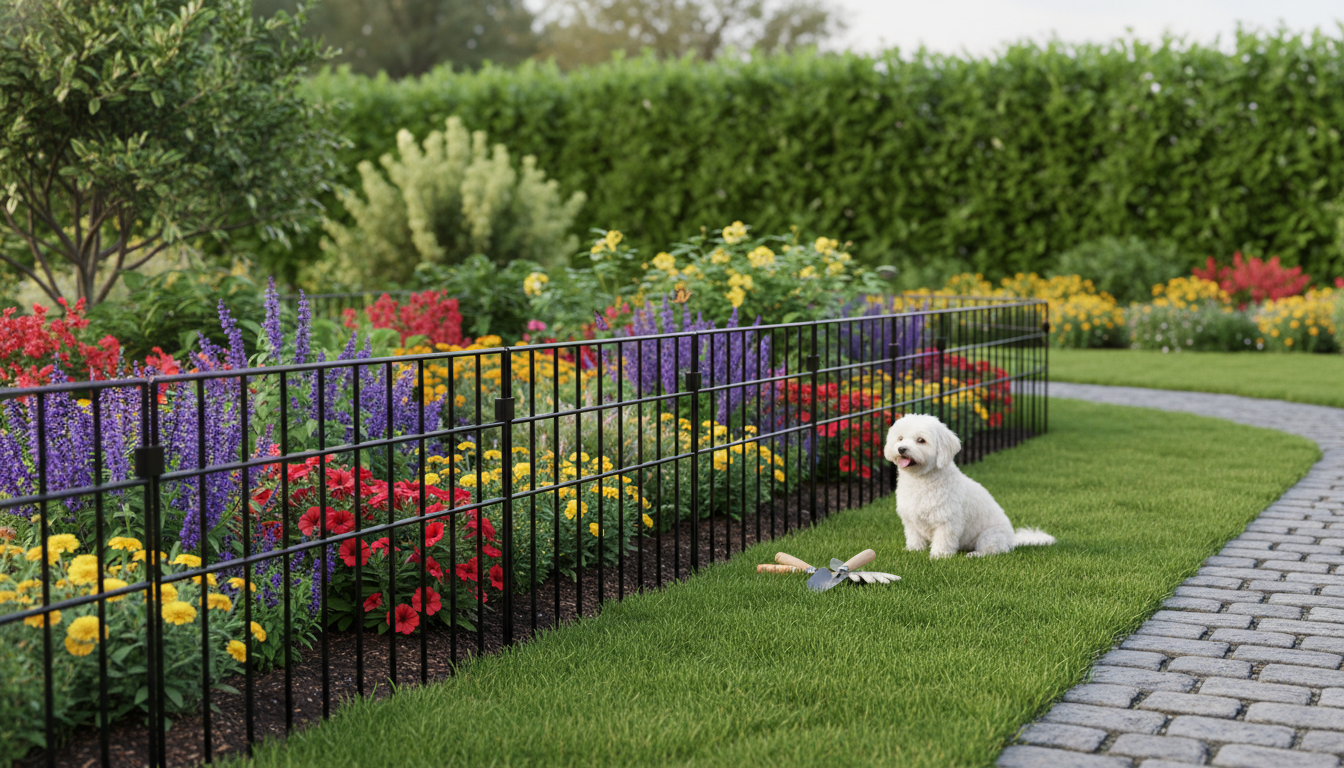
10-Piece Decorative Metal Garden Fence for Clean Borders and Easy Bed Edging
A decorative metal garden fence set adds structure to flower beds, pathways, and small landscape features without the work of permanent fencing. This 10-piece set is designed for quick placement and flexible layouts, helping define garden lines, reduce soil spillover, and create a finished look around plants and mulch. When borders are crisp and consistent, routine tasks like mowing, mulching, and trimming become simpler—and the whole yard reads more intentional from the curb.
Where a Decorative Border Fence Works Best
A modular border fence is most useful where you want visual separation and light guidance—without committing to digging holes, pouring concrete, or setting posts.
- Edging for flower beds to keep mulch and soil contained and visually separated from lawn
- Pathway borders to guide foot traffic and protect plantings near walkways
- Tree rings and shrub islands to create a tidy outline and reduce accidental trimming damage
- Small pet boundaries to discourage casual crossing (not a containment fence for determined pets)
- Seasonal layouts that need to move or expand as plantings change
For beds that regularly get refreshed with mulch, pairing a border with good mulch practices can help maintain a cleaner edge over time (see Clemson Cooperative Extension guidance on mulch depth and placement).
What Comes in a 10-Piece Set and How It’s Typically Used
Ten matching panels are ideal for shorter runs, corner definition, or partial enclosures around a planting area. The real advantage of a 10-piece set is layout flexibility: you can create straight lines, gentle curves, or segmented shapes that follow existing hardscape.
- Ten matching panels allow short runs, corners, or partial enclosures around beds
- Flexible arrangement in straight lines, gentle curves, or segmented shapes
- Modular design helps extend an existing border or create multiple smaller borders
- Cleaner results come from laying out the full shape first, then installing panel by panel
Common Layout Ideas for 10 Panels
| Layout idea | Best for | Quick note |
|---|---|---|
| Straight border run | Along a path or bed edge | Measure the run and check for consistent alignment |
| U-shape around a bed | Beds against a wall or fence | Start at the center panel, then work outward to keep symmetry |
| Near-circle tree ring | Trees and shrubs | Use small angle adjustments between panels for a smoother curve |
| Two mini borders (split set) | Two separate planters or corners | Leave spare panels for future expansion or repairs |
Placement and Installation Tips for a Cleaner Finish
A decorative border looks best when it’s placed with the same care as a paver line: steady, consistent, and deliberate. A few minutes of prep prevents uneven tops and wobbly panels.
- Mark the border line with a garden hose or string before installing panels
- Prep the soil: clear rocks and thick roots where stakes will go; loosen compacted soil to reduce bending force
- Keep tops level by checking every few panels from a distance and adjusting early
- Handle slopes by following the grade with slight stepping rather than forcing panels into one level line
- Tamp at the base after placement to limit wobble and improve stability
If the area tends to wash out or puddle after storms, consider simple runoff improvements so the border doesn’t shift over time. The EPA overview on stormwater and landscape runoff practices is a helpful reference for reducing erosion and keeping soil where it belongs.
Durability and Outdoor Care
Metal edging is a practical choice for busy yard areas because it holds its shape and shrugs off routine bumps from shoes, hoses, and hand tools. Like any outdoor product, its lifespan improves with a few straightforward habits.
- Holds shape well and resists casual bumps from foot traffic or tools
- Reduce corrosion risk by keeping wet mulch from piling against the metal for long periods
- Rinse off fertilizer overspray and de-icing salts; these can accelerate surface wear
- Touch up chips or scratches promptly with outdoor-rated rust-inhibiting paint
- Winter storage option: in harsh climates, cleaning and drying panels before storing can extend lifespan
If you’re comparing finishes and protective coatings, the American Galvanizers Association provides a clear overview of how galvanizing helps protect steel from corrosion and why coating quality matters outdoors.
Design Pairings That Make Borders Look Intentional
For a simple lighting add-on that can double as a yard utility light when needed, consider a rechargeable option like the High-Brightness Rechargeable Waterproof Bike Headlight for quick, portable illumination during evening watering or setup.
When a Decorative Border Fence Is Not the Right Tool
Product Option
If you want quick bed edging with a decorative accent, the 10pcs Decorative Metal Garden Fence offers a modular 10-panel set suited for clean borders around beds and pathways. It’s a practical pick for shaping garden lines now, with the flexibility to reconfigure later as plantings mature.
FAQ
Will a decorative metal garden border keep pets out of a flower bed?
It can discourage casual stepping into the bed and help guide small pets, but it is not a guaranteed containment barrier. For persistent diggers or jumpers, a taller fence or additional deterrents will work better.
How can wobbling panels be stabilized after installation?
Re-seat the stakes into loosened soil, tamp firmly at the base, and level adjacent panels so they support each other. In very loose soil, adding compacted soil or a bit of small gravel at stake points can improve stability without forcing panels into rocky ground.
What’s the easiest way to make a smooth curve with multiple panels?
Lay out the curve first, then connect panels using small, consistent angle changes rather than sharp bends. Step back every few panels to confirm the curve looks even before fully seating the stakes.










Leave a comment