120,000 BTU Outdoor Propane Tankless: 5.1 GPM Guide
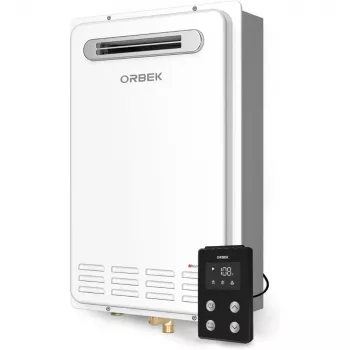
120,000 BTU Tankless Propane Water Heater (5.1 GPM) for Outdoor Setup
A high-output outdoor propane tankless water heater can deliver steady hot water without storing it in a tank. The numbers on the label matter, though: “120,000 BTU” speaks to heating power, while “5.1 GPM” describes flow under specific test conditions. Below is a practical guide to what that means for showers and fixtures, what to plan for when mounting outdoors, and how climate and plumbing layout influence real performance.
What 120,000 BTU and 5.1 GPM Mean Day to Day
The BTU rating is the unit’s maximum heating input. In plain terms, more BTUs generally helps the heater support either more water flow, a higher temperature rise, or both—up to the limits of the heat exchanger and burner design. The “5.1 GPM” figure is a rated maximum flow, but it’s not a guarantee for every home because it depends on how cold your incoming water is and how hot you set the outlet temperature.
If your incoming water is chilly (common in winter or northern climates), the heater must work harder to raise it to a typical 120°F setpoint. As the required temperature rise increases, the achievable hot-water flow usually drops. For many single-family homes, a 120,000 BTU / 5.1 GPM class outdoor unit is a strong match for one major hot-water demand at a time (like a shower), and may handle two smaller simultaneous demands depending on fixture flow rates and season.
Outdoor Installation: Placement and Venting Basics
Outdoor models are built to vent exhaust directly to open air, which can simplify installation compared with indoor units that require dedicated vent piping. Even outdoors, placement still matters: follow the manufacturer’s clearance rules around doors, windows, soffit vents, and any other building openings, and align with local requirements for gas appliances.
Also plan for wind. Strong crosswinds can interfere with combustion in some installations; if the manufacturer specifies a wind guard or protective orientation, treat that as a performance and safety requirement, not an optional accessory. Finally, choose a stable mounting surface and a location that minimizes pipe distance to the fixtures that matter most (often the primary shower and kitchen). Shorter runs typically mean less heat loss and less waiting for hot water.
Sizing Hot Water: Temperature Rise and Simultaneous Use
To estimate whether a 5.1 GPM class tankless unit fits your household, start with simultaneous use. Add up the flow rates of fixtures you expect to run at the same time (for example, a shower plus a bathroom sink). Then factor in temperature rise: outlet setpoint (commonly 120°F) minus your incoming cold-water temperature. The colder the incoming water, the more capacity the heater uses to achieve the same outlet temperature.
Quick sizing checkpoints for a 5.1 GPM class unit
| Scenario | What to check | What to expect |
|---|---|---|
| One shower at a time | Incoming water temperature and showerhead flow rate | Usually steady hot water if temperature rise is moderate |
| Two fixtures at once (shower + sink) | Combined flow and required outlet temperature | Often workable in mild climates; may tighten in colder seasons |
| High-demand use (two showers or tub fill) | Total GPM vs capacity at your temperature rise | Possible temperature drop or flow limiting under peak demand |
| Cold-climate winter operation | Lowest seasonal incoming temperature | Lower usable GPM at the same setpoint compared with summer |
Propane Supply Planning (Tank Size, Regulator, Line Sizing)
Gas line sizing matters too. Long runs, small pipe diameters, and excessive fittings can create pressure drop that reduces burner performance. If the propane tank also feeds other appliances (range, furnace, fireplace, generator), consider the combined peak load so the system doesn’t “starve” the water heater when multiple appliances run together. For safety and code compliance, follow relevant standards such as NFPA 54 (National Fuel Gas Code) and local requirements.
Water Connections, Freeze Protection, and Condensation Considerations
Operation, Controls, and Everyday Efficiency
If fixtures are far from the heater, you may notice a longer wait for hot water. Recirculation solutions can help, but they add complexity and may increase energy use depending on how they’re controlled. Keep an ear out for warning signs such as temperature hunting, frequent ignition cycling, or error codes—often tied to airflow issues, gas supply constraints, or scale buildup. For a general overview of how demand-type heaters compare, see the U.S. Department of Energy guide to tankless water heaters. For reducing shower flow without sacrificing comfort, EPA WaterSense showerheads are a helpful reference point.
Product Snapshot: 120,000 BTU Outdoor Propane Tankless (5.1 GPM)
Featured in-stock products
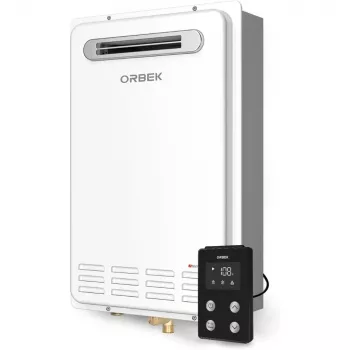
- 120,000 BTU Tankless Propane Water Heater, 5.1 GPM, Outdoor Installation
- Cactus Cat Tree Tower with Scratching Post & Condo Nest
- Alviero Martini Prima Classe Women’s Beige Bag with Zip
At-a-glance details
| Item | Value |
|---|---|
| Input rating | 120,000 BTU |
| Max flow (rated) | 5.1 GPM |
| Fuel | Propane |
| Installation | Outdoor |
| Availability | In stock |
Installation and Maintenance Checklist
FAQ
Will a 5.1 GPM propane tankless heater run two showers at once?
It depends on each shower’s flow rate and how much temperature rise the heater must deliver. In colder incoming-water conditions, usable GPM drops, so two showers can be tight unless you use low-flow showerheads or reduce the setpoint.
Does an outdoor tankless water heater need electricity?
Many outdoor tankless units use electricity for ignition, controls, and freeze protection. If power is lost, hot-water operation may stop, and cold-weather protection may not function as designed.
How often should a propane tankless water heater be descaled?
Descaling frequency depends on water hardness and how much hot water you use. Many homes descale about once a year, while hard-water areas may need more frequent service; isolation valves make the process faster and cleaner.








Leave a comment