15-Bar Espresso + Steam Wand: Microfoam at Home
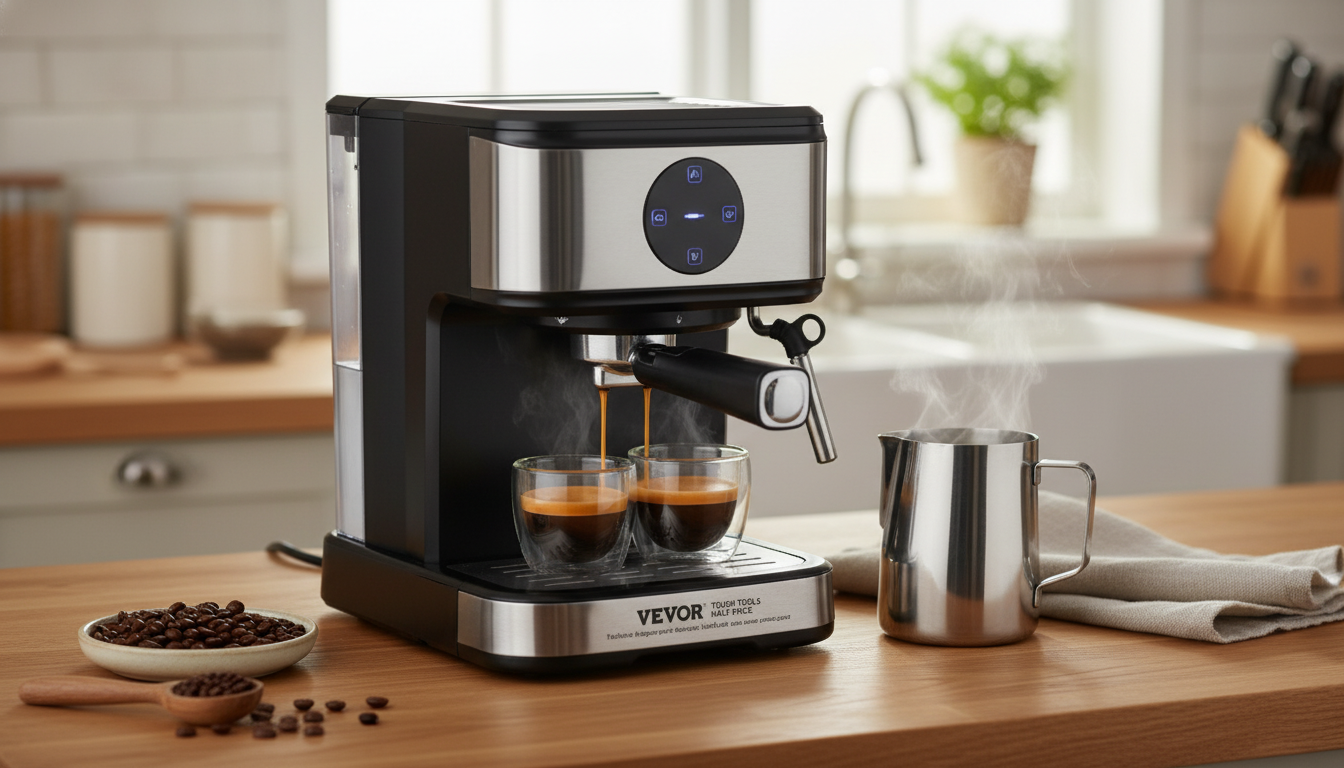
15-Bar Espresso Machine with Milk Frother & Steam Wand: Café-Style Drinks at Home
A bar-style espresso setup at home comes down to three things: stable pressure for extraction, fast heating, and a steam wand that can texture milk smoothly. The goal isn’t just “foam”—it’s microfoam: glossy, integrated milk that tastes naturally sweeter and pours like wet paint. Below is what actually changes in the cup with a 15-bar espresso machine, how to use a milk frother steam wand well, and what daily ownership looks like when you want café-style lattes and cappuccinos on your own counter.
What a 15-bar espresso machine changes in the cup
A “15-bar” rating is best understood as the pump’s pressure capacity, not a promise that every shot will be better than a lower-number machine. Espresso quality still depends on the basics: grind size, dose, tamp, water temperature, and brew ratio. Where a solid 15-bar system helps is consistency—especially when paired with stable heating—so the shot can land in a narrower window between sour (under-extracted) and harsh (over-extracted).
In the cup, look for a steady flow after a brief pre-infusion-like start, balanced sweetness and bitterness, and crema that’s hazelnut-colored instead of pale and bubbly. For milk drinks, this matters even more: a shot that’s intense and balanced won’t disappear once you add steamed milk, which is exactly what you want for lattes, cappuccinos, and flat whites.
For reference on how coffee is evaluated and standardized, the Specialty Coffee Association (SCA) Coffee Standards are a helpful baseline for terminology and quality expectations.
Milk frother steam wand basics: from foam to microfoam
Microfoam is glossy milk with tiny bubbles that feel velvety on the tongue. It pours smoothly, integrates with espresso, and often tastes sweeter because proteins and fats are evenly distributed rather than separated into stiff foam and hot milk.
Steaming is easiest to learn in two phases:
- Stretching (introducing air): Keep the tip near the surface so you hear a soft “paper tearing” sound for a few seconds.
- Texturing (polishing): Submerge the tip slightly deeper and angle the pitcher to create a whirlpool that breaks down bubbles into a glossy sheen.
For most milk drinks, aim for about 55–65°C (130–150°F). Above that range, milk can lose sweetness and start tasting flat or slightly scorched. If you’re using a thermometer, it helps to sanity-check your “too hot to hold” feel. For temperature measurement fundamentals, NIST’s temperature basics is a reliable reference, and for general hot-holding and food safety context, the FDA Food Code is authoritative.
One habit that pays off immediately: purge the wand before and after steaming. The pre-purge clears condensation that can dilute your milk; the post-purge clears milk residue that can harden inside the tip.
| Drink | Milk texture goal | Foam level | Common mistake to avoid |
|---|---|---|---|
| Latte | Silky microfoam | Low | Over-aerating early (dry, bubbly foam) |
| Cappuccino | Light, thicker foam | Medium | Not creating a whirlpool (large bubbles) |
| Flat white | Very fine microfoam | Very low | Overheating (thin, separated milk) |
| Hot chocolate (with milk) | Warm, lightly frothed | Low | Skipping purge (watery milk at start) |
Dialing in espresso for milk drinks
Milk can hide some flaws, but it also exaggerates imbalance: sour shots taste thinner in a latte, and bitter shots linger longer. Start with a classic brew ratio of about 1:2 (for example, 18 g in and 36 g out) and adjust by taste and timing.
Daily workflow: a repeatable bar-style routine
If you keep a phone nearby for timing or brew notes, a simple countertop power option can reduce clutter and keep your device ready. The 10W Dual USB Fast Charger Adapter for Smartphones & Travel Use is an easy add-on for a coffee station where outlets are limited.
Cleaning and care that keeps flavor consistent
Simple maintenance cadence
| Task | How often | Why it matters |
|---|---|---|
| Purge & wipe steam wand | Every use | Prevents clogs and milk odors |
| Rinse portafilter & basket | Daily | Reduces bitter, stale coffee oils |
| Clean drip tray & reservoir | Weekly | Avoids odors and residue |
| Descale (per water hardness) | Every 1–3 months | Maintains heating and flow consistency |
Who this style of machine suits best
Product spotlight: 15-Bar Espresso Machine with Milk Frother & Steam Wand
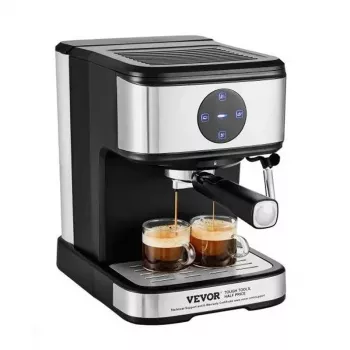
If the goal is café-style drinks at home—pull a balanced shot, steam silky milk, and clean up quickly—the 15-Bar Espresso Machine with Milk Frother & Steam Wand is built around that workflow. It pairs a 15-bar pressure system with a manual steam wand so you can move beyond “foam” and into true microfoam.
At-a-glance details
| Item | Value |
|---|---|
| Product | 15-Bar Espresso Machine with Milk Frother & Steam Wand |
| Price | 583.17 USD |
| Availability | In stock |
| Product page | View product |
FAQ
How do you use a steam wand to make microfoam for latte art?
Purge the wand, then start with the tip just below the milk surface to stretch for a few seconds before submerging slightly to create a whirlpool that textures the milk. Stop around 55–65°C (130–150°F), then tap and swirl the pitcher to polish the surface before pouring.
Why is my milk full of big bubbles and feels dry?
Too much air is being introduced during the stretching phase or the tip is riding too high at the surface. Shorten the aeration time, keep the tip barely under the surface, then focus on a strong vortex to break bubbles down—while avoiding overheating.
Do 15 bars guarantee better espresso than lower-pressure machines?
No—15 bars is a pump capacity rating, while actual espresso brewing depends on grind, puck prep, temperature stability, and controlled flow. Consistency across those variables matters more than a single pressure number.









Leave a comment