2200W Electric Jack Hammer (1350 BPM): Setup & Use Tips
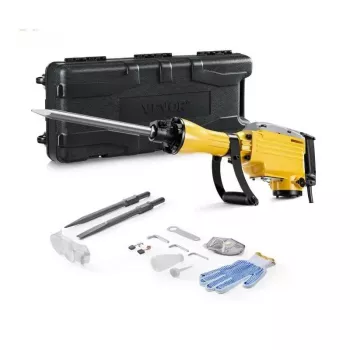
2200W Electric Jack Hammer with 1350 BPM: What It’s Built For and How to Use It Well
A high-wattage electric jack hammer can speed up concrete breaking, trenching, and demolition work—if the impact rate, bit system, and handling match the job. This guide breaks down what 2200W power and 1350 BPM mean in real use, what to look for in setup and safety, and where this tool fits best on a small jobsite or serious DIY workload.
What 2200W Power and 1350 BPM Mean on the Job
A 2200W demolition hammer is built around a strong electric motor intended to keep pulling through heavy resistance without needing an air compressor or gas engine. On real jobs, that usually translates to more consistent breaking when you’re working in thick mortar beds, tough masonry, or slab sections that fight back.
1350 BPM (blows per minute) describes how frequently the tool strikes. Higher BPM often feels smoother for steady chipping and progressive breaking—especially when you reposition frequently. Lower BPM tools can sometimes hit with higher energy per blow, which can favor thick concrete; with a 1350 BPM unit, the best results come from letting the machine’s mass and impact cycle do the work rather than muscling it.
Material matters. Brittle surfaces may fracture quickly once you start a crack, while reinforced concrete can require strategic scoring, working an edge, and moving your attack points so you’re breaking concrete (not trying to “drill through” steel).
Where an Electric Jack Hammer Fits Best
- Concrete slab demolition: breaking a slab into manageable sections, especially after you’ve made cut lines with a saw to control the break.
- Masonry and block: removing stubborn mortar beds, opening channels, or doing controlled tear-out in small areas.
- Asphalt and compacted base: loosening material for patching and repair (confirm the bit type is appropriate for the surface).
Where it’s less ideal: precision indoor work with strict dust/noise limits, or extended overhead chipping unless the tool’s balance and vibration control are excellent. Electric hammers are powerful, but comfort and control determine how long you can work accurately.
Key Features to Check Before Buying
- Bit system compatibility: Confirm the shank style and make sure common bit shapes are easy to source (moil point, flat chisel, spade/clay where compatible).
- Handle layout and auxiliary grip: A stable grip reduces “walking,” helps on corners, and improves edge control.
- Weight and balance: Heavier tools can break faster but fatigue you sooner; balance affects how precisely you can place the bit.
- Vibration and noise considerations: Even if advanced damping isn’t included, plan PPE and work-rest cycles to manage exposure.
- Serviceability: Look for easy brush access (if applicable), clear lubrication guidance, and available replacement bits.
Performance Snapshot
Quick Reference: Power, Impact Rate, and Common Applications
| Specification / Factor | What It Indicates | Best For | Practical Tip |
|---|---|---|---|
| 2200W motor | High sustained electrical power for demolition tasks | Slab breaking, thick mortar beds, tough masonry | Use a heavy-duty extension cord rated for the load; avoid long, thin cords that cause voltage drop. |
| 1350 BPM | Impact frequency (how often blows land) | Steady breaking and chipping when repositioned frequently | Work in a grid pattern; reposition every few seconds to prevent glazing and reduce binding. |
| Moil point bit | Concentrated force at the tip | Starting holes, breaking thick sections, targeting cracks | Begin near an edge or a cut line to speed fragmentation. |
| Flat chisel bit | Wider contact for shearing | Removing tile/mortar, splitting along lines, shaping breaks | Keep the chisel angle shallow to peel layers rather than gouge. |
| Spade/clay bit (if compatible) | Broad digging profile | Compacted soil/clay loosening, some asphalt tasks | Use short bursts and clear debris often to prevent overheating. |
Setup Checklist: Power, Work Area, and Consumables
For jobsite safety expectations and general power-tool requirements, review OSHA guidance on hand and power tools.
Technique: Faster Breaking With Less Fatigue
Safety Essentials for Demolition Work
- Eye/face protection: Wear safety glasses, and add a face shield when fragments are flying.
- Hearing protection: Demolition hammers can reach hazardous levels—follow best practices from NIOSH noise and hearing loss prevention.
- Respiratory protection: Concrete dust can contain silica; when dust control is limited, use appropriate respirators and follow OSHA’s respirable crystalline silica standard (construction).
- Gloves and boots: Vibration-damping gloves can improve comfort; steel-toe boots protect against dropped chunks and improve footing.
- Kickback and stability: Brace your stance, keep the cord behind you, and avoid twisting from the waist while the bit is loaded.
Care and Maintenance to Keep It Hitting Hard
Product Spotlight: 2200W Electric Jack Hammer with 1350 BPM
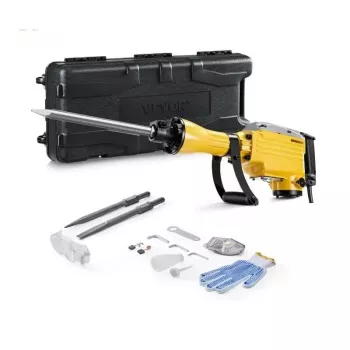
If an electric solution is preferred over pneumatic setups, the 2200W Electric Jack Hammer with 1350 BPM is a high-power option aimed at demanding breaking and chipping tasks. The pairing of a 2200W motor and a 1350 BPM impact rate supports consistent demolition work for concrete and masonry, site prep, and renovation tear-out where portability matters.
More In-Stock Picks
- Cactus Cat Tree Tower with Scratching Post & Condo Nest
- Alviero Martini Prima Classe Women’s Beige Bag with Zip
FAQ
What does 1350 BPM mean on an electric jack hammer?
1350 BPM means the tool delivers 1350 impacts per minute. It affects the breaking rhythm, but real performance also depends on bit choice, pressure control, and repositioning so the bit keeps “biting” instead of glazing the surface.
Can a 2200W electric jack hammer break reinforced concrete?
Yes—it’s typically effective at breaking the concrete around reinforcement. After the concrete is fractured and cleared, rebar should be cut with the proper cutting tool; saw cuts or scoring lines can also make reinforced sections break more predictably.
What extension cord should be used for a high-wattage demolition hammer?
Use a grounded, heavy-duty, outdoor-rated extension cord with a wire gauge appropriate for the tool’s load and the cord length to minimize voltage drop. Always check the manufacturer’s guidance and follow local electrical codes for jobsite power.








Leave a comment