
5-Inch Orbital Sander Kit: 18 Discs & Dust Collection
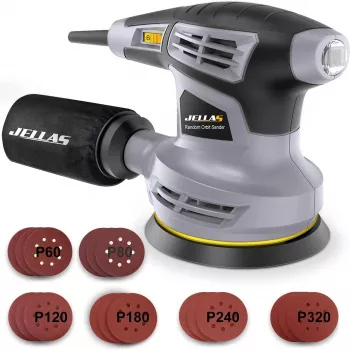
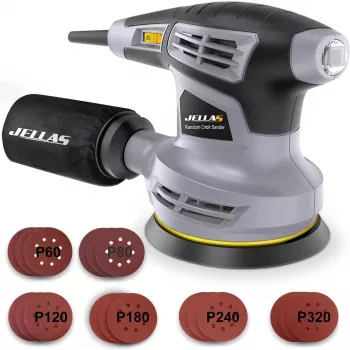
5-Inch Orbital Sander with 18 Sandpapers and Dust Collection for Woodworking
A 5-inch orbital sander is a practical choice for smoothing boards, prepping finishes, and refining edges without the aggressive gouging common with heavier sanding tools. With the right grit progression and a dust-collection setup, a compact random orbital sander can handle everything from knocking down mill marks to light refinishing work while keeping cleanup more manageable.
This guide covers what to expect from a 5-inch orbital sander kit that includes multiple sandpaper grits plus dust collection, along with setup tips and best-use scenarios for common woodworking tasks.
What This 5-Inch Orbital Sander Kit Includes
- 5-inch sanding pad: A versatile size for furniture parts, cabinet panels, shelves, and trim—large enough to cover area efficiently, but still easy to control.
- 18-piece sandpaper assortment: Multiple grits let you step from faster material removal into surface refinement without scrambling to buy discs mid-project.
- Dust-collection support: A bag/canister setup helps capture a portion of sanding debris at the source, reducing the cloud that settles on your bench, tools, and finish work.
- Woodworking-ready use cases: Ideal for smoothing, paint/finish removal, and leveling minor inconsistencies between boards or finish coats.
Where a 5-Inch Orbital Sander Fits in Woodworking
A random orbital sander shines when the goal is a consistent surface without obvious straight-line scratches. It’s especially helpful when hand sanding would be slow, but a belt sander would be too aggressive.
- Surface prep: Great for flattening light mill marks and blending glue seams on panel glue-ups. Keep expectations realistic: a sander refines; it doesn’t replace proper milling for severe cup or twist.
- Refinishing: Useful for removing a worn topcoat while limiting deep scratches. The key is patience—let grit progression do the work instead of forcing the tool.
- Between-coat sanding: Light scuff sanding on a cured finish improves adhesion and knocks down dust nibs, helping the next coat lay flatter.
- Edge and detail work: Controlled sanding on small-to-medium parts is where a 5-inch format feels nimble. Near edges, reduce pressure to avoid rounding over profiles or burning through veneer.
Sandpaper Grit Path for Common Jobs
The cleanest results usually come from starting only as coarse as needed and moving up in sensible steps. Jumping too coarse creates deeper scratches that take longer to erase. Also, when a disc stops cutting well, it tends to heat up and skid—two common causes of swirls and uneven sheen.
| Task | Suggested grit progression | Notes for cleaner results |
|---|---|---|
| Removing paint/finish (light to moderate) | 80 → 120 → 180 | Keep the sander moving; avoid lingering to prevent heat and clogging. |
| Shaping and flattening minor unevenness | 80/100 → 120 → 150/180 | Stop as soon as the surface is even; avoid over-sanding edges. |
| General prep before stain (most hardwoods) | 120 → 150 → 180 | Test on an offcut; going too fine can reduce stain absorption on some woods. |
| Prep before paint | 120 → 180/220 | Aim for smoothness; vacuum dust before priming. |
| Between-coat sanding (varnish/poly) | 220 → 320 | Use light pressure; remove nibs, not the whole coat. |
Dust Collection: How to Get Better Capture
Even a basic dust bag helps, but dust capture depends heavily on airflow. If airflow is restricted, the sanding dust has nowhere to go and ends up on the surface (where it can cause pigtails and scratches) or in the air (where you breathe it).
- Seat and empty the bag/canister: Make sure it’s fitted firmly, and empty it before dust compacts and chokes off flow.
- Match the disc hole pattern: Use sandpaper discs that align with the pad’s holes so dust can be pulled through efficiently.
- Ease up on pressure: Pressing down hard can reduce airflow and increase swirl risk. Let the sander’s orbit do the cutting.
- Add simple support steps: Keep a shop vacuum nearby for the bench and workpiece, and wipe/vacuum between grits to prevent stray coarse particles from re-scratching.
For health considerations around fine wood dust, review guidance from OSHA and NIOSH.
Setup and Technique for a Smoother Finish
Care and Longevity Tips
Product Option: 5-Inch Orbital Sander with 18Pcs Sandpapers & Dust Collection
If you want a compact all-in-one setup for day-to-day woodworking, the 5-Inch Orbital Sander with 18Pcs Sandpapers & Dust Collection for Woodworking pairs a 5-inch format with a multi-grit disc assortment and dust collection support. It’s a practical pick for hobbyists and DIY builders working on shelves, small furniture, trim, and refinishing touch-ups—especially when you follow a consistent grit progression and keep pressure light to reduce swirl marks.
More In-Stock Picks
- Cactus Cat Tree Tower with Scratching Post & Condo Nest
- Alviero Martini Prima Classe Women’s Beige Bag with Zip
FAQ
What grit should be used to prepare wood for stain with an orbital sander?
A common progression for many hardwoods is 120 → 150 → 180. Test on scrap first, and avoid sanding overly fine on woods where stain absorption can drop and color may look uneven.
How can swirl marks be reduced when using a 5-inch orbital sander?
Use light pressure, keep discs centered and fresh, and don’t skip grits. Make steady overlapping passes and inspect under raking light before moving to a finer grit so you don’t carry deep scratches upward.
Why isn’t the dust collection catching much dust?
Make sure the bag/canister is seated securely, empty it often, and use discs with a hole pattern that matches the pad for airflow. Also reduce downward pressure and clean vents/pad surfaces so suction isn’t restricted.














Leave a comment