All-Season Windshield Cover: Snow, Ice & Sun Protection
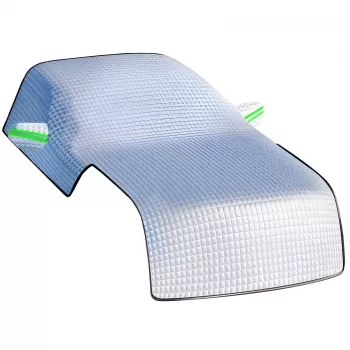
Why an All-Season Windshield Cover Belongs in Your Car Kit
A windshield cover can shave minutes off cold-weather mornings, reduce scraping that may create tiny glass marks over time, and make your car feel less like an oven in summer. An all-season windshield protector is designed to block snow and frost, help limit ice bonding, and add sun protection when parked—making it a practical add-on for daily commuting, road trips, and the unpredictable swings of shoulder-season weather.
In real-world use, the biggest benefit is consistency: when overnight conditions change from clear to damp to freezing, you still have a simple routine to keep the windshield clearer and visibility prep faster. For cold-weather safety basics, the National Weather Service’s wind chill guidance is a helpful refresher on how quickly conditions can become risky outdoors: National Weather Service – Wind Chill.
What This Windshield Cover Helps With
- Snow and frost barrier: keeps accumulation off the windshield so clearing is faster and cleaner.
- Ice reduction: limits contact between freezing precipitation and glass, helping prevent stubborn ice sheets (conditions still matter).
- Sun and heat shielding: reduces direct sunlight on the dash area and helps lower initial cabin heat when parked.
- Cleaner glass: helps protect from overnight dew, tree debris, dust, and light grime in many parking situations.
- Less wear from scraping: reduces reliance on ice scrapers that can leave micro-scratches over time.
Season-by-Season Uses at a Glance
| Season | Typical problem | How the cover helps | Quick tip |
|---|---|---|---|
| Winter | Snowfall, frost, freezing rain | Blocks buildup on glass; simplifies morning cleanup | Remove snow from the cover before lifting to avoid spillover onto vents |
| Spring | Pollen, dew, light storms | Keeps glass cleaner; reduces morning moisture | Shake out pollen outdoors and store dry to prevent odors |
| Summer | Hot sun, UV exposure, warm cabin | Adds shade to windshield area; reduces dashboard sun load | Pair with cracked windows (safe location) for faster heat venting |
| Fall | Leaf debris, chilly nights | Prevents debris sticking to damp glass; reduces early frost | Check wiper area for trapped leaves before driving |
Fit, Coverage, and Parking Situations
Fit matters as much as material. A cover that’s too small leaves exposed edges where frost can creep in; too large can bunch up, catch wind, or interfere with door closure.
- Measure before buying: check windshield width and approximate height; coverage should extend across the glass and sit securely near the edges.
- Consider side coverage: it can reduce frost on front side windows, but make sure it doesn’t fight mirror placement or prevent a clean door seal.
- Match the cover to your parking reality: open street parking usually benefits from more secure anchoring; garages may prioritize quick on/off.
- Wet snow regions: prioritize a cover that stays taut so heavy snow is easier to lift away without dragging.
- Morning glare: if bright sunrise is a daily issue, pick an option with an easy-to-orient sun-blocking side.
Materials and Weather Performance
- Water-resistant outer layer: helps prevent melting snow from soaking through and refreezing against the glass.
- Thermal/insulating layers: can slow heat transfer, reducing rapid ice bonding in some conditions.
- UV resistance: helps maintain fabric integrity after repeated summer exposure.
- Edge binding and stitching: reinforced seams can extend lifespan under wind tugging and frequent folding.
- Wind handling: a wider, well-anchored cover is less likely to flap, reducing noise and fabric wear.
For warm-weather comfort, limiting heat gain is only part of the equation—venting matters too. The U.S. Department of Energy covers practical hot-weather cooling considerations here: U.S. Department of Energy – Vehicle air conditioning and fuel economy.
Installation and Removal Routine (Fast Morning Workflow)
A predictable routine is where a windshield cover really pays off. The goal is a flat lay, secure anchors, and a clean lift that doesn’t dump snow into places it shouldn’t go.
- Before placing: clear large debris so the cover sits flat and seals better.
- Positioning: align the cover to the windshield edges and ensure the wiper area is fully covered if intended.
- Anchoring: secure using door flaps/straps as designed; close doors gently to avoid pinching the fabric excessively.
- Removal: lift carefully from one side, letting snow fall away from the hood; avoid dumping onto the cowl vent area.
- After use: shake off moisture and let it air-dry when possible; store in a bag to keep the interior clean.
Visibility and pre-drive prep matter year-round, and AAA’s winter checklist is a solid reminder of what to prioritize before pulling out: AAA – Winter driving tips.
Security, Wind, and Anti-Slip Considerations
Care, Storage, and Longevity
Product Options (In Stock)
- Car Windshield Snow Protector – All-Season Cover for Frost, Ice, and Sun Protection — built for year-round use to reduce winter scraping and add warm-weather shade. Best for drivers who park outdoors and want a simple daily routine for snow/frost and sun exposure.
- Alviero Martini Prima Classe Women’s Beige Bag with Zip — a handy option for keeping small commute essentials (keys, sunglasses, cords) organized so they’re easy to grab when you’re clearing the car and heading out.
FAQ
Will a windshield cover prevent ice completely?
No. It can reduce buildup and make removal easier, but freezing rain, wind-driven moisture, and temperature swings can still cause the cover to bond to the glass; warming the cabin and loosening edges gradually usually helps.
Can a windshield cover be used in summer for sun protection?
Yes—an all-season cover can shade the windshield area, reduce dash sun exposure, and lower the initial heat you feel when you get in. Always remove it before driving and dry it after rain so it stores cleanly.
How should a windshield cover be stored after a snowy morning?
Shake off loose snow, wipe away excess water if needed, and air-dry when you can. Fold it and place it in a storage bag so melting moisture doesn’t soak your interior.









Leave a comment