At-Home Pet Grooming: Wood Comb & Nail Clipper Set
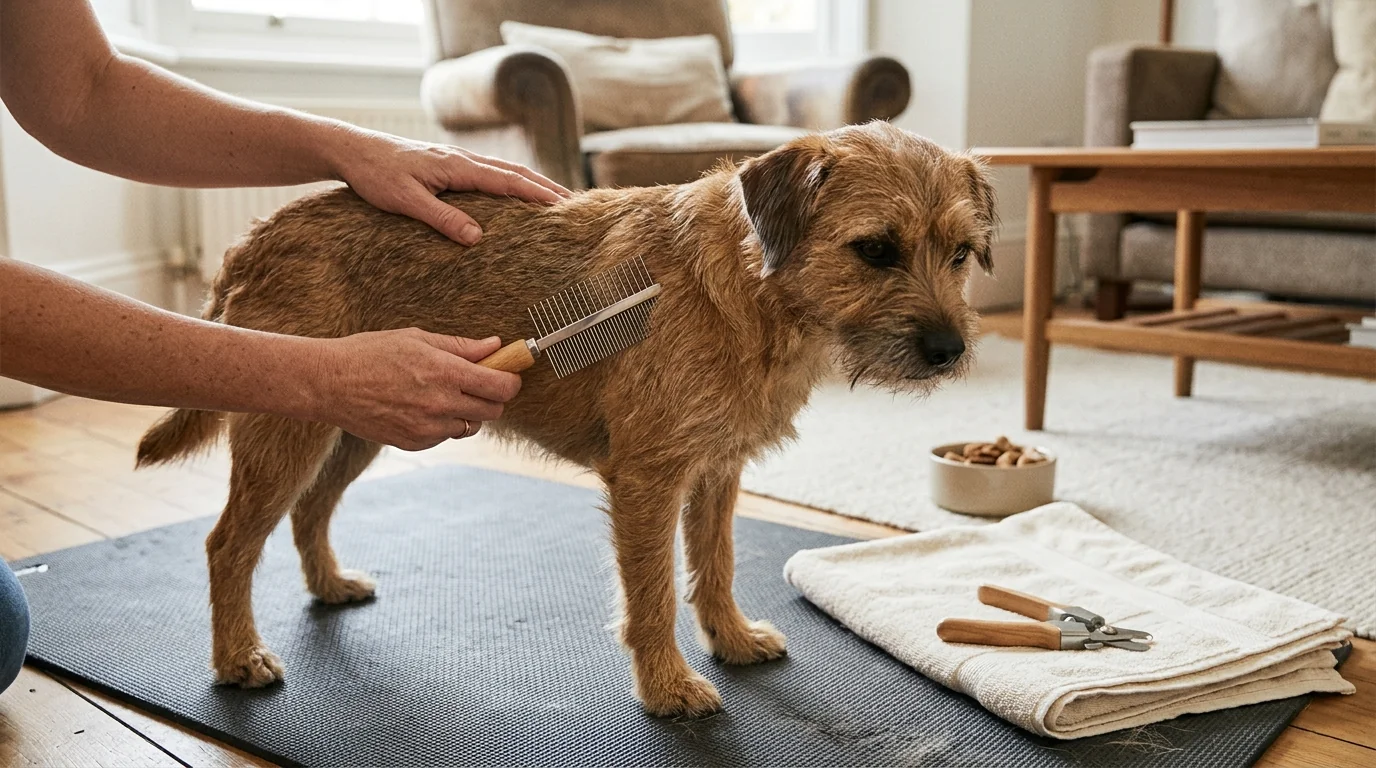
Wood & Stainless Steel Pet Grooming Comb and Nail Clipper Set: A Simple At-Home Grooming Routine
A dependable comb and nail clipper set can make routine grooming faster, calmer, and safer for both pets and people. The Wood & Stainless Steel Pet Grooming Comb and Nail Clipper Set is built for regular coat maintenance and tidy nails with a comfortable, natural grip and durable metal tools—an easy way to keep pets looking neat between professional appointments.
What’s Included and What Each Tool Does
This two-piece kit covers the basics most households need for steady upkeep:
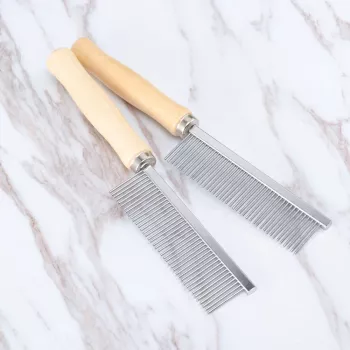
- Grooming comb: Helps lift loose fur, separate light tangles, and smooth the coat for a neater finish.
- Nail clipper: Trims the nail tip to reduce snagging on fabrics and floors and to help maintain healthy paw mechanics.
- Wood handles: Provide a warm, grippy feel that can be easier to hold during longer grooming sessions.
- Stainless steel working edges: Built for durability and easier wipe-down cleaning.
Quick Tool Guide
| Tool | Best for | How often | Helpful tip |
|---|---|---|---|
| Comb | Loose fur, light tangles, finishing the coat | 2–4x per week (more during shedding) | Comb in the direction of hair growth and use short strokes on sensitive areas. |
| Nail clipper | Reducing nail length and sharp tips | Every 2–4 weeks | Trim tiny amounts and pause often to avoid cutting too close. |
Who This Set Works Well For
Simple tools tend to fit the widest range of pets, especially when you’re building a repeatable routine rather than doing a full spa day at home. This set is a practical match for:
- Dogs and cats that need routine coat tidy-up between professional grooming appointments.
- Short- and medium-coat pets for regular smoothing and debris removal; also useful for longer coats when used gently and consistently.
- Pets that get nervous with loud tools—manual grooming can feel quieter and more predictable.
- Households that want a compact, two-tool kit rather than a large grooming bundle.
If you’re grooming a cat, pairing coat care with a stable “home base” can reduce squirming. A dedicated perch like the Cactus Cat Tree Tower with Scratching Post & Condo Nest can help some cats feel more secure before and after quick grooming sessions.
How to Comb Without Causing Discomfort
Combing should feel like light, steady maintenance—not a tug-of-war. A few small adjustments can make a big difference in your pet’s comfort and cooperation.
- Start with a calm setup: Choose a non-slip surface, keep sessions brief, and offer treats for cooperative behavior.
- Check for problem areas first: Behind ears, under collars/harnesses, armpits, and the base of the tail tend to tangle.
- Work from outer coat to deeper layers: Begin with gentle passes; never yank through resistance—pause and loosen slowly.
- Use body language cues: Pinned ears, tail flicking, or sudden turning can signal the need to stop and reset.
- End with a quick full-body pass: Smooth the coat and pick up remaining loose hairs so your pet doesn’t walk away mid-routine still shedding clumps.
For cats, it can help to follow a familiar pattern—two or three short passes, a pause, then another couple passes—so the sensation is predictable. For additional cat-specific handling tips, the ASPCA’s cat grooming guidance is a helpful reference.
Nail Trimming Basics: Safer, Smaller Cuts
Most nail-trimming stress comes from trying to do too much at once. A “micro-trim” approach—tiny clips more often—keeps nails tidy while lowering the chance of cutting too close.
- Aim for frequent micro-trims: Small clips more often can be easier than large trims done rarely.
- Identify the quick: On light nails, it appears pink; on dark nails, trim tiny slivers and watch for a dark center spot as a stop signal.
- Use steady, controlled pressure: Position the clipper to remove the sharp tip; avoid twisting the nail.
- Have styptic powder ready: Accidents happen—being prepared reduces stress if a nail bleeds.
- Finish with praise and a break: Positive endings build tolerance for the next session.
If you want a visual refresher on safe angles and pacing, the American Kennel Club’s nail trimming walkthrough and VCA Animal Hospitals’ nail-trimming overview are both useful resources.
Common Nail Mistakes and Fixes
| Mistake | Why it happens | Better approach |
|---|---|---|
| Trying to remove too much length at once | Fear of frequent trimming or lack of routine | Trim the tip weekly until the nail is comfortable, then maintain every 2–4 weeks. |
| Cutting at an awkward angle | Pet movement or unclear nail view | Trim in good light, stabilize the paw gently, and clip small amounts straight across. |
| Skipping dewclaws | They don’t wear down naturally | Check dewclaws every session; they can overgrow and curl if ignored. |
Care, Cleaning, and Storage
Good tools stay comfortable and effective when they’re cleaned and stored with a little consistency:
When to Pause and Ask a Professional
FAQ
How often should a dog or cat have nails trimmed?
Most pets do well with trims about every 2–4 weeks, though active dogs on rough surfaces may need less frequent clipping. If your pet is sensitive, try micro-trims (tiny clips) weekly to maintain comfort and reduce stress.
Can a comb remove mats safely?
A comb can help ease light tangles if you work slowly and never pull through resistance. Tight mats near the skin can pinch and tear, so it’s safer to have a professional groomer or veterinarian handle them.
What if the nail bleeds after clipping?
Stay calm and apply styptic powder (or cornstarch) with gentle pressure until bleeding stops. Monitor the nail afterward, and contact your veterinarian if bleeding continues or your pet shows significant pain.









Leave a comment