Baby Silicone Dinner Set: A Practical Mealtime Guide
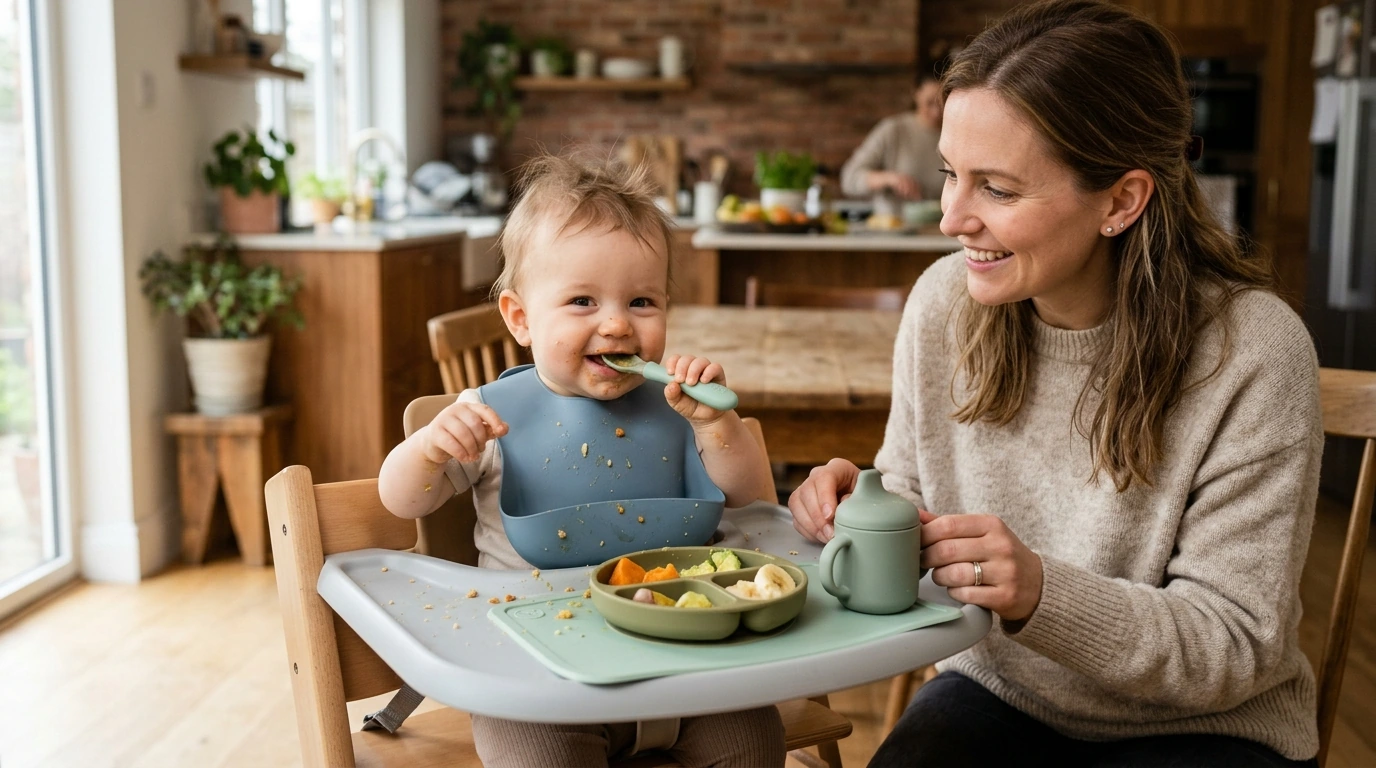
From first tastes to independent bites, feeding a baby takes preparation, patience, and a willingness to clean up afterward. Our 10-Piece Baby Silicone Dinner Set with Placemat, Bib, Utensils & Sippy Cup brings several everyday essentials together. Here’s how you can use the named pieces to make meals feel more organized while leaving plenty of room for your baby to learn.
Set up a simple spot for meals
Before you seat your baby, gather the food and the pieces you expect to use. Put the placemat on a clean, stable eating surface, and keep the bib, utensils, and sippy cup nearby. You may not need every piece at every meal; having them ready simply means you can stay focused on your baby once eating begins.
Choose a time when you can slow down and supervise rather than trying to fit a meal between other tasks. Prepare the food first, seat your baby safely, and then bring out what the meal calls for. A familiar sequence can make setup easier for you even when your baby’s appetite or interest changes from day to day.
If pets share your home, keep their feeding and play areas separate from your baby’s eating space. A dedicated spot, such as our Cactus Cat Tree Tower with Scratching Post & Condo Nest, can be part of organizing a cat’s space elsewhere in the room. You should still keep pets away from your baby’s food and supervise mealtime closely.
Use each piece as your baby learns
The bib can catch some food that misses your baby’s mouth, though it won’t make meals mess-free. The placemat gives you a defined place to serve food and set down utensils. Together, they help establish a mealtime space without changing the hands-on nature of feeding a baby.
When your baby is ready to explore self-feeding, offer utensils as practice tools. You can help load a utensil or guide a hand, then allow time for your baby to try. Early attempts may involve more holding, tapping, and dropping than eating. That exploration is part of learning, so there’s no need to rush toward tidy, independent bites.
The sippy cup is one option when you’re offering an age-appropriate drink and helping your baby practice drinking skills. Stay close and expect some trial and error; no cup is guaranteed to prevent spills or to be the right choice for every developmental stage. If you’re unsure what or how to offer a drink, ask your pediatric clinician for guidance suited to your baby.
A place for each mealtime essential
| Piece | When to bring it out | Practical tip |
|---|---|---|
| Placemat | While setting the eating area | Place it on a clean, stable surface. |
| Bib | Before serving food | Keep it handy for messy practice. |
| Utensils | During supported or independent eating | Offer them when your baby is ready to practice. |
| Sippy cup | When offering an age-appropriate drink | Stay close while your baby learns to use it. |
Keep safety part of the routine
Dinnerware can help organize a meal, but it cannot determine when a baby is ready for solids or make a food safe to eat. Follow your pediatric clinician’s guidance on starting solids and choosing textures appropriate to your baby’s development. The CDC’s guidance on introducing solid foods is another useful starting point for understanding readiness.
Seat your baby upright and supervise eating and drinking from start to finish. Prepare foods with choking risks in mind, rather than relying on a bib, placemat, or utensil to reduce those risks. The CDC’s choking-hazards guidance explains why food shape, size, and texture deserve attention as your baby learns to eat.
Before each meal, look over the pieces you plan to use for signs of wear or damage. Follow the instructions included with the set for age suitability, cleaning, and everyday use. Keep those directions available to anyone else who regularly feeds your baby so the routine stays consistent.
Make cleanup feel manageable
Once the meal is over, clear away leftover food and clean the pieces you used according to their care instructions. Let them dry before putting them away. Storing the mealtime items together can make the next setup quicker, whether you’re preparing a full meal or a small snack.
A coordinated set can save you from gathering separate supplies every time, but learning to eat will still be messy. Keeping cleanup simple helps you make room for practice rather than treating every spill as a setback. When you’re ready to bring the essentials together, explore our 10-piece set for a practical starting point.
FAQ
When can my baby start using feeding utensils?
Readiness varies. Your baby may begin exploring utensils with your help as self-feeding skills develop; supervise every meal.
Can this set be used for a baby’s first solid foods?
The named pieces can help organize early meals, but readiness for solids and suitable food textures matter more than the dinnerware. Ask your pediatric clinician for guidance specific to your baby.
How should I clean the silicone dinner set?
Follow the care instructions supplied with the set. Remove food residue, clean the used pieces as directed, and let them dry before storage.








Leave a comment