Bedtime Resistance Help: Calmer Nights, Better Sleep
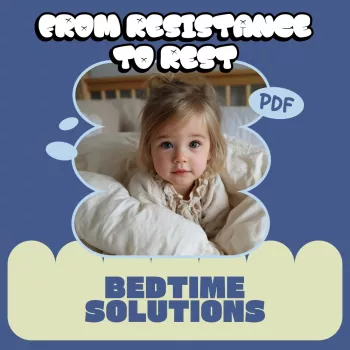
From Resistance to Rest: Bedtime Solutions for Calmer Nights and Better Sleep Routines
Bedtime resistance can look like stalling, meltdowns, endless requests, or sudden bursts of energy the moment the lights go out. The good news: consistent routines, clear boundaries, and the right tools can reduce nightly battles without turning evenings into power struggles. This guide breaks down why resistance happens, what to adjust first, and how a practical step-by-step approach can help the whole household get more rest.
Why Bedtime Resistance Happens
Most bedtime battles aren’t “bad behavior” as much as a child’s nervous system colliding with timing, emotions, and predictability. A few common drivers tend to show up again and again:
- Overtiredness vs. undertiredness: miss the sleep window and a “second wind” can appear; go too early and pushback is likely.
- Separation anxiety and fear: darkness, being alone, or nighttime worries often appear as repeated reassurance-seeking.
- Need for control: bedtime is a predictable daily transition—perfect for boundary testing.
- Inconsistent routines: changing steps, timing, or caregiver responses can accidentally reward stalling.
- Screen time and stimulation: bright light and exciting content can delay natural sleepiness.
- Developmental shifts: nap dropping, new skills, school stress, and growth spurts can temporarily disrupt sleep.
For general sleep hygiene basics and age-appropriate guidance, resources like the American Academy of Pediatrics sleep hub and the CDC sleep guidance can be helpful starting points.
Start with the Foundations: Timing, Sleep Pressure, and Environment
Before changing rewards, charts, or consequences, tighten the basics. Small adjustments done consistently usually beat big overhauls.
- Pick a realistic bedtime: base it on wake time and age-appropriate sleep needs; adjust by 15 minutes and hold for 3–5 nights.
- Protect a steady wake time: it stabilizes the body clock, even after a rough night.
- Build a wind-down buffer: 30–60 minutes of calmer, dimmer activities helps the brain shift gears.
- Optimize the room: cool temperature, low light, minimal noise; consider steady background sound if the home is busy.
- Watch evening intake: limit caffeine (including chocolate) and heavy snacks close to bedtime; if hunger is a frequent stall, offer a small, predictable snack at the same time nightly.
- Reserve the bed for sleep: keep bedtime activities calm and brief once in bed; move active play earlier.
A Calm Routine That Reduces Negotiations
A strong routine is short, repeatable, and boring (in a good way). The goal is to remove decision points that invite negotiation.
- Keep it tight: 10–30 minutes depending on age, with the same steps in the same order.
- Use visual cues: a simple picture chart for younger kids; a checklist for older kids.
- Connection before correction: five minutes of child-led attention early in the routine can reduce attention bids after lights-out.
- Set expectations upfront: define how many check-ins happen, what “lights out” means, and what won’t change.
- Create a lights-out script: one brief phrase signals closure and limits debate.
- Plan transitions: use timers, “two more minutes” warnings, and a predictable handoff (bath → pajamas → books → bed).
Common Stall Tactics and What to Do Instead
Stalls thrive on unpredictability and big reactions. Replace them with built-in structure, then respond the same way every time.
Quick Fixes for Typical Bedtime Resistance
| What’s happening | Likely need | Try this tonight |
|---|---|---|
| Endless requests (water, snacks, bathroom) | Predictability and boundary clarity | Bundle needs into the routine: bathroom + water bottle + small snack; then respond with one calm script |
| Meltdowns at pajamas/teeth | Transition support and autonomy | Offer two acceptable choices (which pajamas, which toothbrush) and use a timer for the next step |
| “Stay with me” every night | Reassurance and gradual independence | Timed check-ins or gradual chair method; praise brave behavior in the morning |
| Wired at bedtime | Better timing and lower stimulation | Move bedtime 15 minutes later for 3 nights, reduce evening screens, add a quiet wind-down activity |
| Out of bed repeatedly | Consistent limit-setting | Silent returns, no negotiation; consider a bedtime pass for one approved request |
Scripts and Boundaries That Keep the Mood Calm
When to Adjust the Plan (and When to Get Extra Support)
A Practical eBook Option for Step-by-Step Bedtime Coaching at Home
If a structured plan helps you stay consistent, From Resistance to Rest: Bedtime Solutions – practical eBook guide lays out repeatable routines, clear scripts, and troubleshooting steps for common bedtime resistance patterns. Sticking with one approach for 1–2 weeks makes it easier to see what’s actually working.
If pets create extra nighttime chaos (scratching at doors, zoomies in the hallway, waking a light sleeper), setting up a dedicated evening “energy outlet” for your cat can reduce disruptions before the wind-down begins. A stable climbing and scratching station like the Cactus Cat Tree Tower with Scratching Post & Condo Nest can help channel activity earlier in the evening so the bedroom stays calmer at night.
FAQ
How long does it take to reduce bedtime resistance?
With consistent timing, the same routine steps, and predictable responses, many families see improvement within 1–2 weeks. Some nights may backslide after a busy day or schedule change, so tracking patterns and making small adjustments helps.
What if a child keeps getting out of bed after lights-out?
Use “silent returns”: calmly walk them back with minimal talking and no negotiation, repeating as needed. If it’s persistent, try a bedtime pass for one approved request and confirm bedtime isn’t too early.
Should naps be changed when bedtime is a battle?
Naps directly affect sleep pressure at night, so late or long naps can make bedtime harder. Consider trimming nap length, ending naps earlier, or shifting bedtime gradually while keeping expectations aligned with your child’s age.










Leave a comment