Breathable Dog and Cat Backpack: Fit and Travel Tips
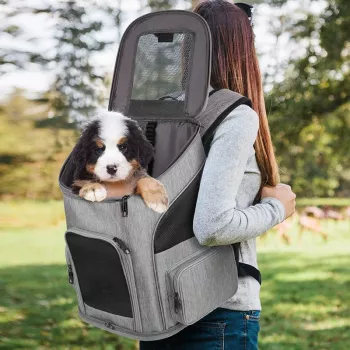
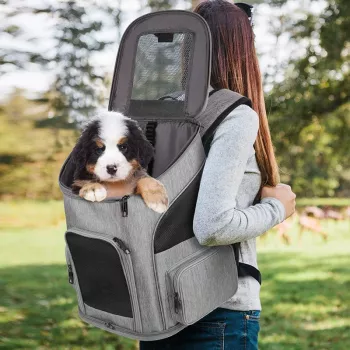
Carrying a small pet can make a short outing easier when you need your hands free. Our Premium Breathable Small Dog and Cat Backpack is one option to consider if your dog or cat is comfortable being carried. Before choosing any backpack, though, start with your pet’s measurements and temperament—not just your plans for the day. A carrier that works for one small pet may feel cramped or unsettling to another.
Start With Your Pet’s Fit
Measure your pet while they are standing naturally. For length, measure from the base of the neck to the base of the tail; for height, measure from the floor to the top of the shoulders. Compare those numbers with the backpack’s current interior dimensions before ordering. If your pet has a long body, tall ears, or a preferred curled-up position, consider the space they will actually have inside—not merely whether their measurements fit on paper.
Check the stated weight limit, too, but do not treat it as the whole fit test. A pet can be under the limit and still lack room to settle comfortably. They should not have to remain pressed against the carrier’s sides or top. If you are deciding between a backpack and a roomier carrier, give your pet’s usable space priority over the convenience of hands-free travel.
A backpack may suit a calm small dog or cat for a planned, short outing. If your pet becomes distressed when enclosed or carried, or needs more room than a backpack provides, a different carrier style may be the kinder choice. We want you to feel comfortable changing plans when your pet tells you a setup is not working.
Make Airflow and Comfort Part of the Decision
When considering a breathable carrier, look for ventilation openings that will stay clear while you wear it. Clothing, a jacket, or the way the bag rests against your body should not block airflow. The closure should fasten securely, and the interior should offer a stable place for your pet to settle rather than leaving them shifting with every step.
Breathability is not protection from excessive heat. Warm weather can make even a brief trip uncomfortable, so choose cooler times, seek shade, and keep outings short when temperatures rise. Watch your pet closely for signs of distress or overheating, and end the trip if they appear unwell. The American Veterinary Medical Association’s pet travel guidance is a useful resource when planning how to travel with an animal safely.
Your comfort matters as well. Once the backpack is loaded, notice how it feels on your shoulders and whether you can walk normally without strain. Ask someone to observe—or use a mirror to see—whether the carrier and your pet remain level as you move. If it tilts or bounces noticeably, pause and reassess the fit and load before heading out.
A Pre-Trip Check for Both of You
Use this quick checklist before you buy a backpack and again before leaving home. The right choice depends on your particular pet and outing; passing a weight check alone is not enough.
| Check | What to look for | If it is not right |
|---|---|---|
| Pet fit | Enough usable room for your pet to settle comfortably | Choose a roomier carrier |
| Ventilation | Air openings that stay clear during use | Reposition the carrier or choose another option |
| Secure travel | Closures fastened and your pet contained | Do not begin the outing |
| Weather | Conditions comfortable for your pet | Delay or shorten the trip |
| Your comfort | A stable load you can carry without strain | Adjust the load or use another carrier |
You may get different answers on different days. A pet who seems at ease during a quiet practice walk might be less comfortable in a crowded or noisy setting. Treat the checklist as permission to adjust the outing, not as a one-time approval.
Help Your Pet Get Used to the Backpack
Give your pet time to meet the backpack before asking them to travel in it. Leave it open at home and let them investigate voluntarily. Treats and brief, positive sessions can help build familiarity without turning the carrier into a struggle. For a cat who likes an elevated place to retreat between sessions, our Cactus Cat Tree Tower with Scratching Post & Condo Nest offers a separate at-home space; it is not a substitute for carrier practice.
Progress gradually: let your pet rest in the backpack first, then lift it briefly while they are inside, and only then try a short walk. Pay attention to how they respond at each stage. If they show persistent fear or discomfort, stop rather than pushing through to a longer trip. A pet who chooses to settle calmly gives you a better starting point than one who must be forced in.
Choose the Right Trip
If your plans include a flight, check your specific airline’s current pet-carrier rules before booking. A breathable backpack is not automatically airline-approved, and requirements can vary by airline and itinerary. The International Air Transport Association’s traveling-with-pets guidance can help you prepare questions, but your airline must confirm what it accepts.
FAQ
How do I know whether a backpack carrier fits my cat or small dog?
Measure your pet’s length and height, compare them and your pet’s weight with the current product specifications, and make sure there is usable room for your pet to settle comfortably.
Can I use a breathable pet backpack in hot weather?
Breathability does not prevent overheating. Avoid excessive heat, keep ventilation openings clear, and watch your pet closely for distress.
Can I take this backpack on a plane?
Do not assume the backpack is airline-approved. Compare its current dimensions with your specific airline’s pet-carrier requirements before booking.









Leave a comment