Carbon Trout Fishing Combo Setup for Streams & Lakes
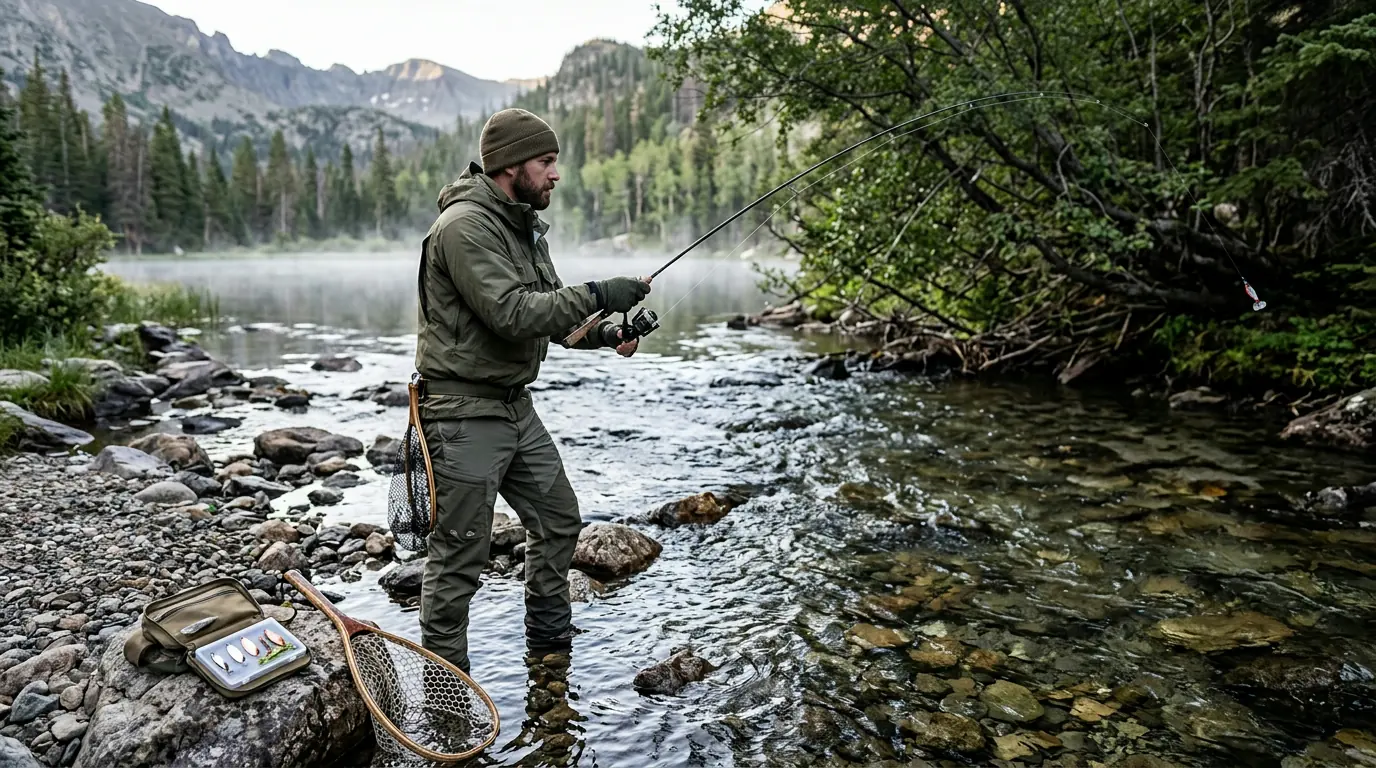
Carbon Trout Fishing Combo: Light, Sensitive Tackle for Streams and Lakes
A carbon trout fishing combo is built for quick presentations, better bite detection, and all-day comfort. The right setup balances rod action, reel size, line choice, and lure weight so small spinners, spoons, and soft plastics track naturally while still having enough backbone for surprise larger fish.
What Makes a Carbon Trout Combo Different
Carbon (graphite) blanks are known for transmitting feedback. That matters when trout “mouth” a lure or nip lightly in cold water—those subtle taps and tiny changes in vibration can be the only clue before the fish spits the bait.
Carbon also keeps overall weight down, which reduces fatigue during frequent casting and constant repositioning on small streams. Many anglers notice they stay steadier and more precise late in the day when the rod feels light and responsive.
Another advantage is fast recovery. When the rod stops wobbling quickly after the cast, accuracy improves around pockets, seams, and undercut banks where trout sit. Sensitivity also helps diagnose problems: a spinner blade that isn’t turning, a hook fouled with weeds, or current drag that’s killing a natural drift.
Finally, a carbon rod still needs the right reel match. A properly sized reel with a smooth, consistent drag protects light leaders when a trout surges—especially near the net or shoreline where break-offs often happen.
Ideal Setups for Common Trout Conditions
Trout water varies from tight, brushy creeks to windy lakes, and your combo should adapt without feeling overbuilt. On small streams, shorter rods help keep casts compact and controlled. In medium rivers, extra length improves reach and line control when working seams. On lakes and ponds, distance and wind management matter more, so slightly heavier line and lures can help maintain depth and feel.
Stocked trout commonly respond to steady retrieves with spinners and spoons or simple bait rigs; a smooth drag shines when fish surge near shore. Wild trout tend to demand stealth, cleaner drifts, and lighter leaders—small details that can turn follows into committed takes.
Quick Pairing Guide for Trout Presentations
| Scenario | Rod feel | Reel/drag priority | Line and leader | Typical lures/baits |
|---|---|---|---|---|
| Tight brushy creeks | Quick, accurate casting | Instant start-up, light drag | 4–6 lb mono or 6–10 lb braid + 4–6 lb leader | 1/32–1/8 oz spinners, micro jigs |
| Pocket water and riffles | Fast recovery, good sensitivity | Smooth drag under tension | 6 lb mono/fluoro or braid + fluoro leader | 1/8–1/4 oz spinners, small spoons |
| Lakes in wind | Long-cast stability | Consistent drag on longer fights | 6–8 lb mono/fluoro or 10 lb braid + leader | 1/8–3/8 oz spoons, float rigs |
| Bottom/near-bottom rigs | Tip that reads light bites | Drag that protects light leaders | Fluoro leader for abrasion control | Split shot rigs, small soft plastics |
How to Match Rod Action, Power, and Length
Power drives how much force it takes to load the rod and how much control you have when a fish turns into current. Ultralight and light cover most trout applications, but choose enough backbone to guide fish away from rocks, root wads, and logjams.
Action shapes how the rod responds during the hookset and fight. Fast action helps drive single hooks home on jigs and many soft plastics. Moderate action can be a better “shock absorber” for treble-hooked lures like small spoons or in-line spinners, keeping fish pinned during headshakes and last-second surges.
Length is your steering wheel for the environment. Shorter rods feel nimble in tight quarters and make it easier to keep the tip low under branches. Longer rods improve casting distance and line control in open water, and they help manage drift and keep more line off conflicting currents.
Pay attention to the rod’s lure rating. Staying within the stated range helps accuracy and protects light tippets/leaders during abrupt loads. Handle style also matters: shorter grips can feel crisp and “point and shoot,” while longer grips help leverage longer casts from the bank.
Reel Size, Drag Performance, and Line Management
Line and Leader Choices for Clear Water
Care, Setup, and On-the-Water Tips
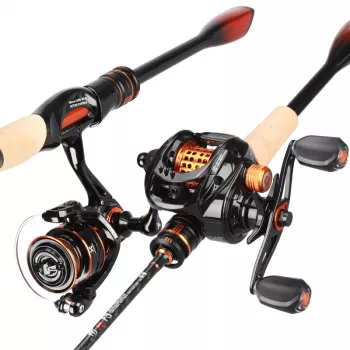
Carbon Trout Fishing Combo (Product Snapshot)
Carbon Trout Fishing Combo is a streamlined option for anglers who want a lightweight, responsive setup for common trout tactics. It’s designed to support frequent casting and better bite detection when fish are selective, while still offering control when a stronger fish uses current or structure.
More In-Stock Picks
- Cactus Cat Tree Tower with Scratching Post & Condo Nest
- Alviero Martini Prima Classe Women’s Beige Bag with Zip
Learn More About Trout and Conservation
For species background and habitat context, visit the U.S. Fish & Wildlife Service trout resources and conservation information from Trout Unlimited.
FAQ
What line works best with a trout combo for small lures?
For small lures, 4–6 lb mono is easy to manage and forgiving, while 4–6 lb fluoro (or a fluoro leader) helps in clear water and around rocks. For maximum sensitivity, use 6–10 lb braid with a 4–6 lb fluorocarbon leader, especially in current where bites can be subtle.
Is a fast-action rod better for trout than a moderate-action rod?
Fast action is often better for single-hook lures and jigs because it improves sensitivity and hooksets. Moderate action can be better with treble-hook spinners and spoons because it cushions runs and helps keep fish pinned during headshakes.
How can line twist be reduced when fishing in-line spinners?
Close the bail by hand, keep steady tension during the retrieve, and avoid overfilling the spool. A small swivel can help in some setups, and periodically letting line out behind you (with no lure resistance) can help it untwist.








Leave a comment