Genuine Leather T-Strap Pumps: Low Thick Heel Fit Guide
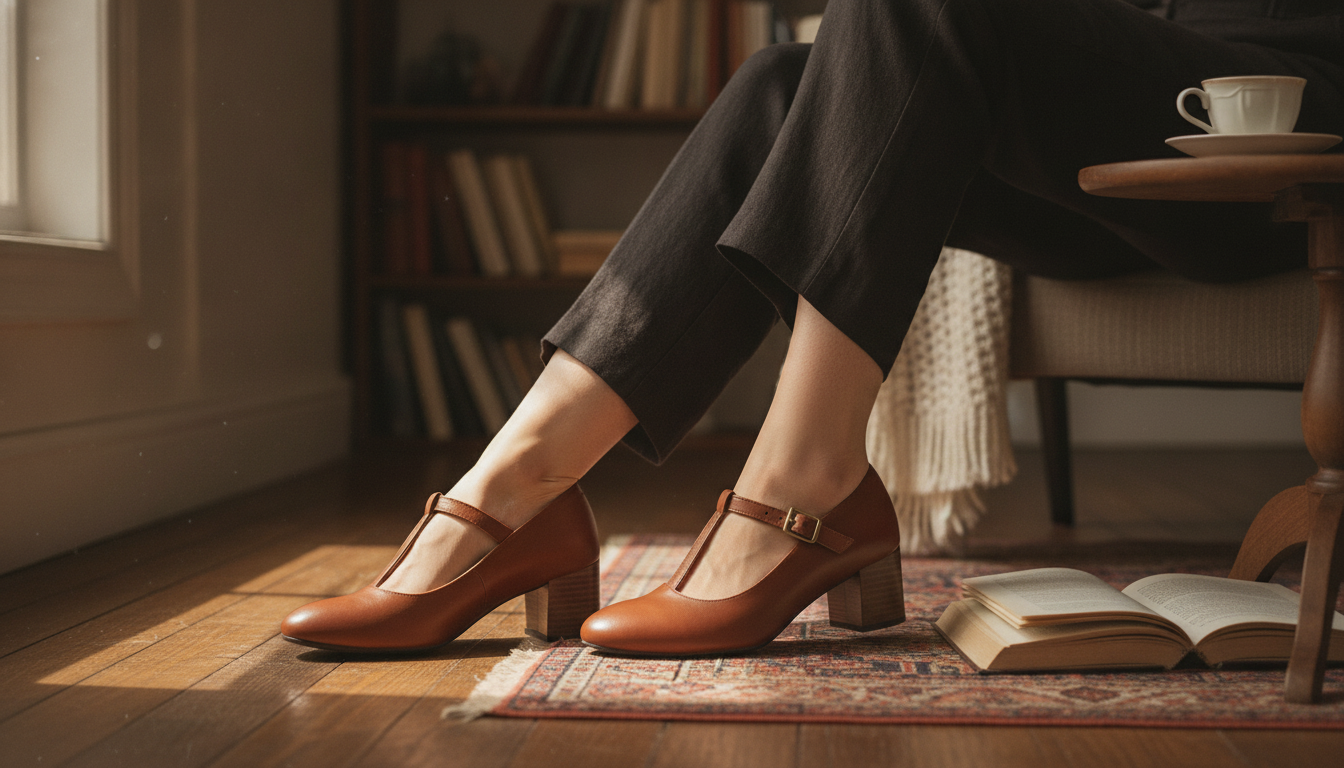
2025 Women’s Genuine Leather T-Strap Pumps with Low Thick Heel
A polished T-strap pump can balance elegance with everyday comfort—especially when it’s made from genuine leather and set on a low, thick heel for steadier steps. The right pair feels secure at the ankle, looks refined with everything from trousers to dresses, and holds up well with simple care. Below are the details that matter most: fit, comfort, leather longevity, styling ideas, and a practical routine to keep your shoes looking fresh.
What Makes T-Strap Pumps a Reliable Classic
T-strap pumps have stayed relevant for decades because the design does more than look pretty—it adds structure and support in a way many classic pumps don’t. The vertical strap draws the eye along the instep for a vintage-inspired silhouette that still feels current with modern tailoring and minimalist outfits.
- Visual structure: The T-shape creates a clean line that can make the foot look sleek and put-together.
- More secure feel: An ankle strap helps “lock in” the fit compared with many slip-on pumps.
- Versatile closed toe: Easy to wear from office hours to dinners without reading too formal.
- Steadier heel profile: A low, thick heel generally feels more stable than a thin heel at the same height.
Comfort Factors That Matter for All-Day Wear
Comfort comes down to small construction choices that add up over hours: the heel’s footprint, toe space, strap placement, and the inside materials touching your skin. If you’ve ever loved the look of pumps but dreaded the wear, focusing on these details helps narrow down pairs that feel as good as they look.
- Heel height and shape: A low block-style heel can reduce wobble and distribute weight more evenly than a narrow heel.
- Toe box space: Enough width helps prevent pinching and pressure on the big toe and little toe.
- Strap placement: The T-strap should sit flat without digging; adjustable buckles help fine-tune fit.
- Insole and lining: Cushioning supports longer standing; smoother linings can reduce rubbing.
- Outsole grip: Light texture tends to feel steadier on office floors and sidewalks than slick soles.
Quick Fit Check Before Committing
| Checkpoint | What to feel for | Easy test at home |
|---|---|---|
| Heel stability | No side-to-side wobble; heel lands confidently | Walk on a hard floor and do a slow turn |
| Instep comfort | Straps lie flat, no pinching or gaps | Fasten strap and flex the foot forward |
| Toe room | Toes lie flat; no pressure at the sides | Stand and shift weight forward slightly |
| Heel slip | Minimal lift at the back of the heel | Take 10 steps and check for rubbing |
| Arch feel | Supported but not forced upward | Stand for 2 minutes and note hot spots |
Genuine Leather: How It Wears Over Time
Genuine leather is a smart choice for pumps that you plan to wear often. With regular rotation, leather can soften slightly and adapt to your foot shape, which can improve comfort compared with many rigid synthetics. That said, leather looks best when it’s kept supple—dryness and neglect are what usually lead to visible cracking over time.
For broader footwear and comfort guidance, resources like the American Podiatric Medical Association (APMA) and the Cleveland Clinic are helpful starting points.
Outfit Pairings for Work, Weekends, and Events
When to Choose a Low Thick Heel Over Other Heels
Care Routine: Keep Leather Pumps Looking New
Leather care doesn’t have to be complicated—consistency is more important than intensive products. Avoid soaking the leather, and never speed-dry near heaters or direct sun. For conservation-focused guidance on leather handling, the Leather Conservation Centre offers useful principles that translate well to everyday care.
Simple Leather Care Schedule
| Timing | Action | Why it helps |
|---|---|---|
| After each wear | Dry wipe and air out | Removes abrasive dust; reduces odor buildup |
| As needed | Spot-clean and buff | Prevents stains from setting |
| Monthly | Condition lightly | Maintains softness and reduces cracking risk |
| Seasonally | Deep clean + protect | Helps the finish handle weather and wear |
Sizing and Strap Adjustments: Getting the Best Fit
Product Spotlight: 2025 Women’s Genuine Leather T-Strap Pumps
2025 Women’s Genuine Leather T-Strap Pumps with Low Thick Heel deliver a classic pump profile with the added security of a T-strap and the steady feel of a low thick heel. The genuine leather build is well-suited to regular rotation—especially if you stick to a simple wipe, condition, and store routine.
At-a-Glance Details
| Detail | Value |
|---|---|
| Price | 86.67 USD |
| Availability | In stock |
| Product page | View product |
Complete the Look: Coordinating Accessories
- Alviero Martini Prima Classe Women’s Beige Bag with Zip: A structured neutral bag that pairs easily with office outfits and dinner looks alike.
- Dolce & Gabbana Gold Charm Necklace with Carretto Pendants and Crystals: A statement charm necklace that adds personality while letting the shoes remain a grounded classic.
FAQ
Are T-strap pumps comfortable for walking and standing?
They can be, especially because the ankle strap improves security and a low thick heel often feels steadier than a thin heel. Look for a toe box with enough width and some insole cushioning, and break them in gradually with short wears at home before a full day out.
How should genuine leather pumps be cleaned and protected?
Wipe them after each wear, spot-clean gently with a slightly damp cloth, and condition occasionally to keep the leather supple. If you use a protector spray, test it on a hidden area first, and always let leather dry slowly away from direct heat; avoid soaking.
How tight should the ankle strap be on T-strap heels?
Aim for snug but not restrictive—tight enough to limit heel slip without leaving pressure marks. A good rule is being able to slide one finger under the strap while it still holds the shoe securely and doesn’t pull the shoe forward.








Leave a comment