Heavy-Duty Tomato Cages: Choosing Support for Your Plants
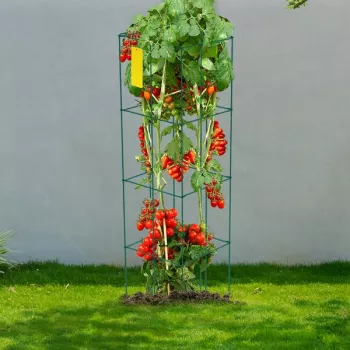
Tomatoes, peas, and other climbing or sprawling plants can take over a planting space as the season progresses. Giving their stems a place to grow upward can make watering, pruning, and harvesting less of a reach. If you’re deciding whether a cage belongs in your garden, start with the way your plants grow—not just the name on the support.
Why Give Climbing Plants a Cage?
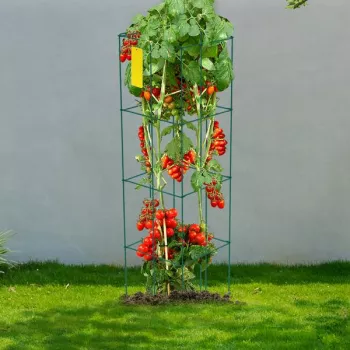
A cage can help hold sprawling stems and developing fruit above the soil. It can also keep more of the plant accessible, so you can spot new growth, reach in to harvest, and water near the base without moving a tangle of branches. We offer our Heavy-Duty Tomato Cages for Climbing Plants for gardeners who want to guide suitable plants upward.
Support is only one part of plant care. A cage won’t make up for crowded planting, too little sunlight, or inconsistent watering, and it cannot guarantee a healthier plant or a larger harvest. The University of Minnesota Extension’s guide to growing tomatoes offers broader guidance on choosing varieties and caring for them throughout the season.
Match the Support to the Plant
“Tomato” describes a wide range of growth habits. A compact or bushy plant may need room for branches to spread outward, while a tall, vigorous tomato may keep producing stems that need regular attention. Peas and other lighter climbing vines grow differently again: their tendrils or flexible stems need reachable places to catch or be guided. A cage that works well for one plant is not automatically the right support for another.
Before buying, find the expected mature height and spread of the variety you plan to grow. Compare those needs with the cage’s listed dimensions and design, including how the plant will reach the support and how you’ll reach the plant. Consider the growing site, too. A plant in an exposed spot or one that becomes especially large may call for additional guidance or a different support system as the season goes on.
| Plant growth habit | What to consider | Care tip |
|---|---|---|
| Compact or bushy | Allow enough room for the plant’s mature width. | Guide branches through the support before they become crowded. |
| Tall or vigorous | Check that the support’s height and stability suit the expected growth. | Inspect and redirect new stems regularly. |
| Light climbing vines | Look for places where tendrils or stems can reach the support. | Help young growth find its way upward. |
Set Up Support Early
The simplest time to position a cage is when you plant or while the plant is still small. Waiting until stems have filled out can make it harder to lower a support into place without bending branches or disturbing established roots. If you’re adding a cage to a growing plant, work slowly and avoid forcing stems through narrow openings.
Place the cage securely according to its design, then give it a gentle check for steadiness. Recheck it as the plant gains height and weight, especially after weather that may shift the soil or push growth to one side. You should be able to tend the plant without repeatedly pulling the support back into position.
Leave enough space between neighboring plants for access and airflow, using the spacing guidance for the varieties you grow. An upright plant can still become crowded if its leaves press against nearby plants. Planning that space early makes it easier to reach the soil for watering and to see when stems need attention.
Keep Growth Easy to Tend
Visit supported plants regularly rather than waiting until they look unruly. While new stems are flexible, gently guide them toward or through the cage where appropriate. Don’t force a stiff branch into place or bind stems tightly; growth needs room to continue without being pinched. Vigorous vines may need more frequent guidance or another form of support if they outgrow the cage.
Keep up the rest of your care routine as well. Water at the base as appropriate for your plants and conditions, watch for crowded growth, and follow the pruning recommendations for the varieties you’ve chosen. A cage can make those jobs more convenient, but it does not replace them.
If upward support fits your planting plan, view our Heavy-Duty Tomato Cages for Climbing Plants and compare the product details with your plants’ mature size and your available space. We’d rather help you choose a support that suits the way your garden grows than treat every climbing plant as the same.
Before choosing, compare the product details with your daily routine, available space, care needs, and preferred setup. The strongest option is usually the one that fits the intended use clearly and remains simple to clean, store, and check before repeat use.
Compare related options such as Brushed Silver Bathroom Mirror for Wall, 48 x 36 Inch Metal Framed Bathroom Mirror to match features, dimensions, and use case before choosing.
FAQ
When should I put a tomato cage around a plant?
Put it in place at planting time or while the plant is small, when you are less likely to disturb established roots or bend mature stems.
Can tomato cages support plants other than tomatoes?
Yes. Some climbing or sprawling plants can use cage-style support, provided the cage’s dimensions and design suit their growth habit.
Does a heavy-duty cage replace pruning and routine care?
No. Continue to monitor growth, guide stems gently, water appropriately, and follow care recommendations for your variety.








Leave a comment