Lightweight Spin Mop for Hard Floors: Less Water, More Shine
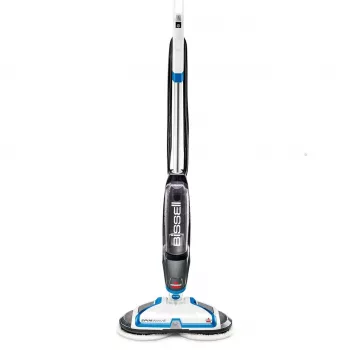
Hard floors look best when cleaned often, but heavy buckets and dripping mops make quick touch-ups feel like a chore. A lightweight spin mop keeps water control in your hands, helps protect floor finishes, and makes everyday cleaning easier in small homes, busy households, and pet-friendly spaces. For more guidance, see 5 Best Steam Mops of 2026, Lab-Tested and Reviewed.
What Makes a Spin Mop a Good Fit for Hard Floors
Hard flooring (from sealed wood to tile) generally benefits from controlled, low-drip cleaning. A spin mop system is built around that idea: you wet the microfiber head, then use the spinner to wring it down to the dampness your floor can handle. For further reading, see The Best Mop, Tested by Our Experts.
- Spin-wringing reduces excess water, helping floors dry faster and lowering slip risk—especially helpful in hallways and kitchens.
- Lightweight handles and buckets are easier to carry between rooms and store in tight closets or laundry nooks.
- Microfiber heads lift fine dust and everyday grime more effectively than basic string mops on sealed surfaces, so you’re not just moving dirt around.
- Controlled damp cleaning supports floor care for sealed hardwood, laminate, vinyl, tile, and stone without the “soaked floor” aftermath.
For guidance on cleaning and disinfecting best practices in shared spaces, the CDC’s cleaning and disinfecting recommendations provide helpful context on using the right product for the job and avoiding unnecessary overuse.
When “Lightweight” Matters Most
“Lightweight” isn’t just a convenience feature—it changes how often you’ll actually mop. The easier it is to grab your set, the more likely you are to handle messes before they become stubborn buildup.
- Apartments and multi-level homes: less effort moving the bucket from kitchen to bathroom to hallway, especially if storage is limited.
- Quick cleanups: spills, paw prints, and sticky spots handled without hauling a full-size setup or filling a deep utility sink.
- Long sessions: lower hand and shoulder fatigue during weekly whole-home cleaning, particularly when you’re doing multiple passes.
- Caregivers and seniors: easier to maneuver around furniture and thresholds, with less strain when carrying or wringing.
If pets are part of your daily routine, keeping floors cleaner can go hand-in-hand with giving them a dedicated place to scratch and lounge. Pairing regular floor care with a pet zone like the Cactus Cat Tree Tower with Scratching Post & Condo Nest can help reduce roaming, shedding hotspots, and tracked litter around the house.
How to Mop Different Hard Floors Without Over-Wetting
The goal on most hard floors is “damp, not wet.” You want enough moisture to pick up grime, but not so much that water sits in seams, grout lines, or textured surfaces longer than necessary.
- Sealed hardwood: use a well-wrung, barely damp mop head; avoid standing water at seams and edges.
- Laminate: keep moisture minimal; wipe up puddles immediately to protect the core.
- Vinyl and LVP: a damp mop is typically safe; focus on removing grit that can scratch the wear layer.
- Tile and grout: slightly more moisture can help; follow with a final spin for quicker drying.
- Stone: confirm whether the stone is sealed; choose pH-neutral cleaners where needed.
Dampness Guide by Floor Type
| Floor type | Recommended mop head dampness | Notes |
|---|---|---|
| Sealed hardwood | Barely damp | Avoid pooling; dry edges and seams promptly |
| Laminate | Barely damp | Minimize water; never leave puddles |
| Vinyl / LVP | Damp | Remove grit first to reduce scratching |
| Ceramic / porcelain tile | Damp to moderately damp | Extra passes may help around textured tile |
| Sealed stone | Damp (with suitable cleaner) | Use stone-safe products; re-seal as recommended |
For wood floors, manufacturer guidance matters. The National Wood Flooring Association’s care and maintenance guidance is a solid reference for avoiding excess moisture and choosing appropriate products.
Features That Improve Everyday Results
Two spin mops can look similar, but small design choices make a big difference when you’re cleaning under cabinets, around chair legs, or along baseboards.
- Spin mechanism with splash control: keeps wringing tidy and reduces overspray near baseboards and lower cabinets.
- Replaceable microfiber heads: rotate heads for kitchens vs bathrooms to prevent cross-contamination and keep results fresher.
- Low-profile mop head: reaches under cabinets, beds, and sofas where dust collects, without forcing you to move heavy furniture.
- Stable bucket design: less tip risk when carrying or wringing on uneven floors or near thresholds.
- Handle comfort: grip shape and length can improve control, especially when cleaning tight corners or navigating around table legs.
If you use a floor cleaner, consider selecting formulas designed to be safer around people and pets. The EPA Safer Choice program explains what the label means and how products are evaluated.
A Practical Routine for Faster, Cleaner Floors
Care and Storage for a Spin Mop Set
Product Pick: Lightweight Spin Mop for Hard Floors
If quick drying and lower effort are priorities, the Lightweight Spin Mop for Hard Floors is built for controlled damp mopping on common sealed surfaces. The spin-wring approach helps reduce excess water compared with traditional mops, which can be especially useful when you’re cleaning sealed hardwood or laminate and want to avoid lingering moisture.
FAQ
Can a spin mop be used on sealed hardwood floors?
Yes. Wring the mop head until it’s only lightly damp, avoid standing water, and dry edges and seams promptly to protect the finish and reduce swelling risk.
How often should microfiber mop heads be replaced?
Replace them when the fibers look flattened, cleaning performance drops, or odors persist after washing. The exact timing depends on how often you mop and how well the heads are cleaned and dried.
Why do floors look streaky after mopping?
Streaks are often caused by using too much cleaner, mopping with dirty rinse water, or skipping dry debris removal. Use cleaner sparingly, refresh water as it turns cloudy, and sweep or vacuum first.









Leave a comment