Plan a Ski Trip with AI: Itinerary, Gear, and Budget Tips
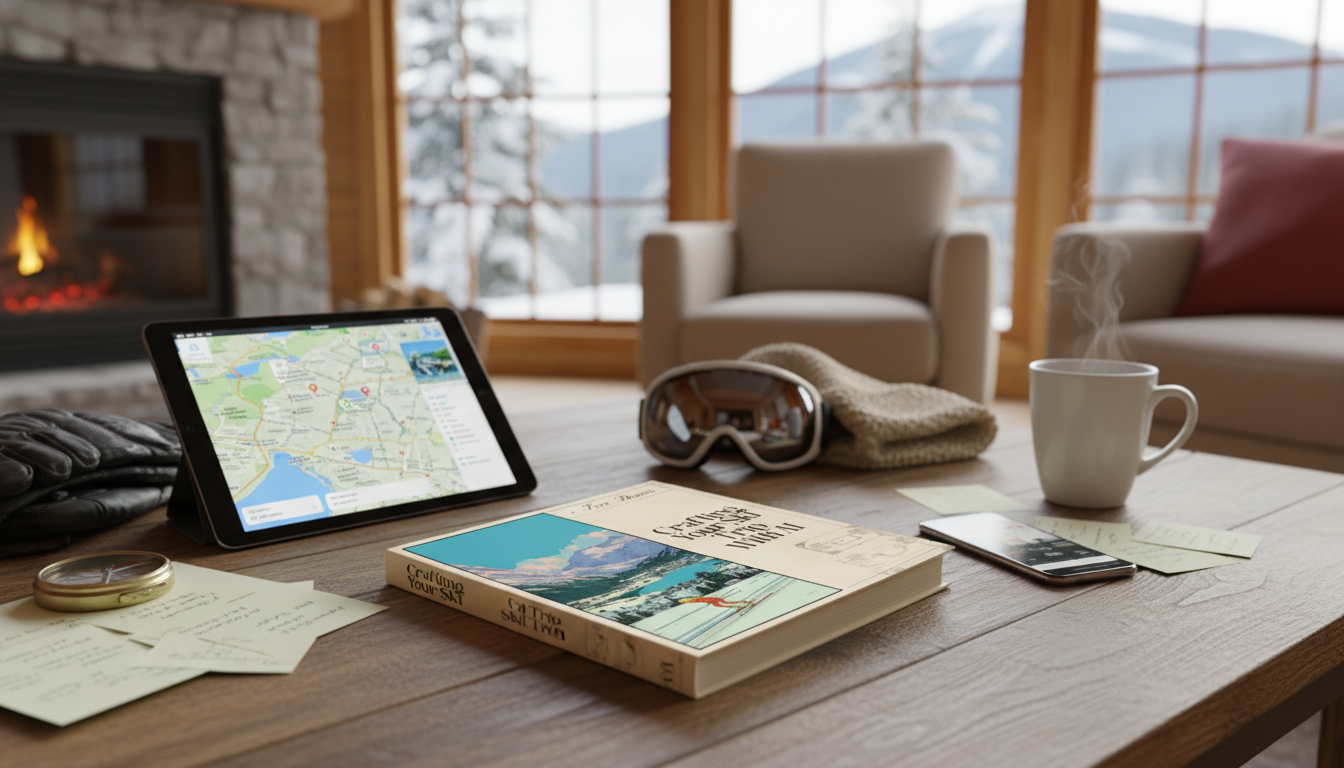
Crafting Your Ski Trip with AI: Smart Planning, Gear, and Budgeting
Planning a ski trip usually means juggling weather, lodging, lift access, transportation, and packing—often across multiple people with different budgets and skill levels. AI tools can streamline the process by turning your preferences, dates, and constraints into a realistic itinerary, packing list, and cost forecast. The key is giving clear inputs, then validating the few items that change fast (like ticket calendars and reservations) against live resort info.
Start with the trip blueprint AI needs
The quality of your plan depends on how specific your starting details are. Before comparing mountains, write a quick “trip brief” you can reuse and share with your group.
What to include in your trip brief
- Non-negotiables: travel dates (fixed vs flexible), group size, skill levels, terrain preferences (groomers, trees, park), and the vibe (quiet town, family-friendly, nightlife).
- Constraints: target budget per person, maximum travel time, whether you want a car, and any dietary/medical needs.
- Location context: home airport/city, passport status (if considering Canada), and tolerance for connections or night driving.
- Multiple options: ask for three resort areas at different price levels and crowd profiles—not just one “best” answer.
- Decision rule: for example, “prioritize snowfall reliability, then lodging cost, then beginner terrain variety.”
This upfront clarity prevents the common trap of choosing a resort that looks perfect on paper but fails one of your deal-breakers (like no reliable shuttle or limited beginner terrain).
Use AI to shortlist resorts, then verify the deal-breakers
AI can quickly produce a comparison set that would otherwise take hours. Treat that shortlist as a starting point, then confirm the details that affect your wallet and logistics.
- Generate a comparison grid that includes base elevation, typical season window, beginner/intermediate acreage, and airport proximity.
- Cross-check essentials on official sources: lift ticket pricing calendars, operating dates, and blackout periods can shift quickly.
- Validate transportation assumptions: shuttle schedules, parking reservations, and whether winter tires/chains are required for access roads.
- Check lesson and rental availability early for peak weeks; a plan is only useful if inventory exists.
- Ask for “friction flags” like gondola bottlenecks, long base-area lift lines, or limited dining at off-hours.
For snow and storm timing, cross-check forecasts and advisories with the National Weather Service (NWS). For broader resort-industry context and trip-planning basics, the National Ski Areas Association (NSAA) is a reliable reference point.
Build a day-by-day itinerary that matches conditions and energy
A good ski itinerary protects your legs and your schedule. It should also flex when visibility drops, winds shut down upper lifts, or the group splits by ability.
- Structure for safety: plan a “first day easy, last day light” arc—warm-up runs early in the trip and conservative mileage before travel days.
- Weather-aware branching: if visibility is low, prioritize trees or lower-mountain groomers; if wind closes lifts, swap to lessons, town activities, or a long lunch.
- Meal and break anchors: add reservable dinners, on-mountain lunch windows, and hydration reminders to avoid bonking late in the day.
- Mixed-group options: tubing, snowshoe trails, spas, museums, and scenic rides can be placed on rest afternoons or a mid-trip recovery day.
- Printable run plans: generate a run plan per ability group with meeting points and lift names—then confirm trail/lift names on the resort map.
Smart budgeting: forecast costs and pick the biggest levers
| Budget item | Typical range | Notes that change the number fastest |
|---|---|---|
| Travel (air/drive) | $100–$700 | Flight sales, driving distance, baggage fees, airport transfer |
| Lodging | $180–$900 | Walk-to-lift vs shuttle, number of people per room, peak weeks |
| Lift access | $200–$850 | Multi-day bundles, advance purchase windows, passes/discount programs |
| Rentals/gear | $80–$300 | Reserve early, demo vs standard, helmet add-ons |
| Lessons | $0–$600 | Group vs private, holiday pricing, half-day vs full-day |
| Food & drinks | $80–$250 | Groceries + simple dinners vs eating out every meal |
| Local transport/parking | $0–$120 | Free shuttles vs paid parking reservations |
| Contingency | $50–$250 | Weather changes, forgotten items, medical supplies |
Gear planning with AI: pack lists that match weather and skill level
If you want a ready-to-use framework for turning trip details into clean lists and timelines, Crafting Your Ski Trip with AI: Ultimate Guide to Smart Ski Planning, Gear, and Budgeting lays out practical templates you can reuse for future winters.
Travel logistics: turn AI suggestions into bookings that actually work
For flight disruptions and winter operations tips, consult the Federal Aviation Administration (FAA) for current travel guidance and safety information.
Keep devices powered for maps, tickets, and emergencies
A small, reliable charger is one of the easiest upgrades to your trip setup—especially when multiple devices need topping off overnight. 10W Dual USB Fast Charger Adapter for Smartphones & Travel Use is a simple way to keep phones, earbuds, and battery packs ready for early mornings.
AI prompt pack: copy, paste, personalize
FAQ
Which parts of ski-trip planning should be checked against official sources?
Lift ticket pricing calendars, operating dates, parking and shuttle rules, lesson and rental availability, and any required reservations should be verified directly on resort and merchant sites because they can change quickly.
How can AI help reduce ski trip costs without making the trip worse?
It can compare midweek versus weekend pricing, weigh lodging distance against transit reliability, plan grocery meals, and highlight the top budget levers (usually lodging location, ticket strategy, and travel timing) so you save without sacrificing on-snow time.
What should always go in a carry-on for a ski flight?
Boots, goggles, base layers, gloves or mitts if possible, and essential medications should stay with you so you can still ski if checked luggage is delayed.











Leave a comment