Portable Stainless Wood Stove: Cook & Warm Outdoors
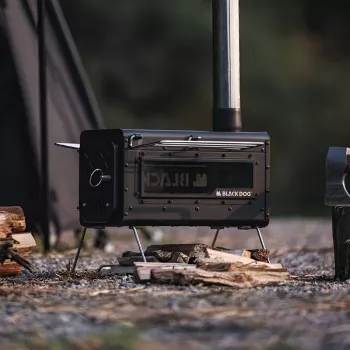
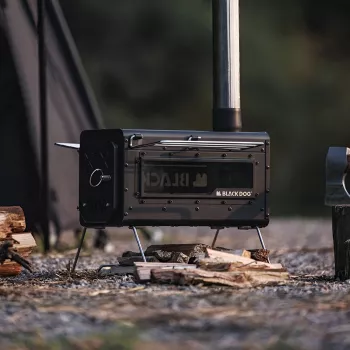
Portable Stainless Steel Wood Burning Stove for Outdoor Cooking & Heating
A compact wood-burning stove can turn a campsite, cabin porch, or backyard cook area into a reliable spot for hot meals and steady warmth. Stainless steel construction adds durability and easier cleanup, while a portable design supports cooking, boiling water, and maintaining heat when conditions change. For a contained, packable fire source, see the Portable Stainless Steel Wood Burning Stove for Outdoor Cooking & Heating.
What this stove is designed to do
A portable wood stove is built to make outdoor fire use more controlled and more practical than a bare ground fire. Instead of balancing cookware on rocks or improvising a grate, it gives you a stable platform and a contained firebox that helps concentrate heat where you need it.
- Provide a contained firebox for cooking over a stable surface rather than open flames on the ground
- Support common outdoor tasks: boiling water, simmering meals, and heating a small outdoor area nearby
- Reduce reliance on gas canisters by using gathered wood where permitted
- Pack down for transport and storage between trips, seasonal use, or emergency preparedness
Stainless steel build: practical benefits outdoors
Stainless steel is a common choice for outdoor stoves because it tolerates variable weather, repeated heating cycles, and frequent handling. It’s not “set-and-forget” (any stove needs care), but it tends to be forgiving for real-world use: damp mornings, sooty cook sessions, and quick pack-outs.
- Corrosion resistance helps when used in damp conditions, near snow, or after repeated washdowns
- Rigid panels and hardware can improve stability under cookware and shifting ground
- Heat tolerance supports repeated burn cycles; discoloration is normal with high heat
- Smooth surfaces typically make ash and soot easier to wipe off than porous materials
Cooking performance and heat control
Cooking over wood is equal parts fuel and airflow. When you feed similar-sized pieces and keep airflow consistent, the stove behaves more predictably—especially for boiling water and steady simmering.
- A consistent fuel feed (small splits and kindling) supports steadier flame and more predictable cooking
- Airflow control is the main “temperature dial”; more oxygen increases burn rate and heat output
- Preheating cookware and using a lid can shorten boil times and reduce wood consumption
- A windbreak (placed safely with clearance) can improve efficiency while protecting the flame
For faster meals, build a smaller, hotter fire and keep feeding thin splits. For a calmer simmer, let the stove establish a coal bed, then reduce airflow and add wood more slowly. If gusty wind keeps stealing heat, reposition the stove in a naturally sheltered spot or add a non-combustible windbreak with safe clearance.
Fuel choices and what to expect
Dry, seasoned wood is the difference between a clean, efficient burn and a smoky, frustrating one. Wet wood wastes heat driving off moisture, produces more smoke and residue, and makes temperature control harder.
- Use only dry, seasoned wood for cleaner burns and less creosote buildup
- Avoid treated lumber, painted wood, and trash—these can release toxic fumes and foul the stove
- Keep fuel sizes consistent; oversized pieces can smother airflow and slow ignition
- In fire-restricted areas, verify local rules before using any solid-fuel stove
Common solid fuels: strengths, tradeoffs, and best uses
| Fuel type | Strengths | Tradeoffs | Best use |
|---|---|---|---|
| Dry hardwood (oak, maple) | Longer burn, steady coals, good for simmering | Heavier to carry, needs time to catch | Cooking meals, sustained warmth nearby |
| Dry softwood (pine, fir) | Lights fast, easy to process into kindling | Burns quicker, more frequent refueling | Starting the fire, quick boil tasks |
| Wood pellets (if compatible) | Compact, consistent size, predictable feeding | May require a stable burn basket or careful airflow | Short controlled burns, small-batch cooking |
| Charcoal (where appropriate) | Even heat, good grilling profile | Can be messy, slower startup, disposal considerations | Grilling, controlled cooking over coals |
Setup checklist for safer, steadier use
A good setup improves both performance and safety. Think: stable base, clear space, tools ready, and a plan for extinguishing before you ever strike a spark. For broader low-impact guidance, follow Leave No Trace recommendations on minimizing campfire impacts.
- Place on non-combustible ground (rock, mineral soil) and clear dry leaves/needles around the footprint
- Keep clearance from tents, walls, and low branches; heat radiates farther than expected
- Stabilize the stove so cookware sits flat; avoid uneven ground that can tip a pot
- Stage tools: fire starter, gloves, tongs, and a small metal container for ash if needed
- Plan an extinguishing method before lighting: water, dirt, or sand depending on location rules
Safety notes for heating use
Outdoor warmth is a major benefit, but it’s also where people take risks—especially around shelters. Wood stoves produce carbon monoxide; use them only where ventilation is appropriate and always follow recognized safety guidance from sources like the CDC and the NFPA.
Cleaning, maintenance, and storage
Good matches: who benefits most
In-stock picks
- Portable Stainless Steel Wood Burning Stove for Outdoor Cooking & Heating ($376.01)
- Alviero Martini Prima Classe Women’s Beige Bag with Zip ($135.85)
FAQ
Can this be used to heat a tent or enclosed shelter?
No—do not use a wood-burning stove in enclosed spaces unless the structure is properly designed and vented for solid-fuel heating. Carbon monoxide can build up quickly and is dangerous even when you can’t smell it.
What kind of wood burns best for cooking?
Dry, seasoned hardwood is ideal for steady heat and longer-lasting coals, while dry softwood is useful for fast ignition and quick boils. Avoid treated or painted wood, and stick to consistent small splits so airflow stays predictable.
How should soot and ash be cleaned after a trip?
Let everything cool completely, then remove ash to keep airflow clear and reduce moisture-related issues. Wipe soot with a damp cloth, use mild dish soap if needed on exterior surfaces, and store the stove dry after checking fasteners and seams.









Leave a comment