Quick-Dry Hooded Training Jacket with Thumb Holes

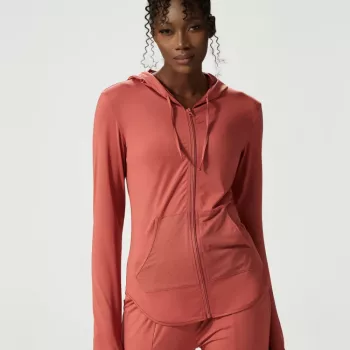
Quick-Dry Sport Hooded Jacket with Thumb Holes: Everyday Training Layer for Warm-Ups to Cool-Downs
A lightweight hooded layer can make training more comfortable when temperatures, wind, or air-conditioned gyms make it hard to stay warm. A quick-dry sport hooded jacket with thumb holes is built for movement-focused days—warming up, walking to class, running errands after a workout, or adding a breathable top layer without feeling bulky. The goal is simple: stay comfortable when your body temperature is changing, without wearing something that traps sweat or limits your range of motion.
What Makes a Good Training Jacket
The best workout jackets balance comfort, mobility, and practical details that keep you focused on the session instead of constantly adjusting your layers.
- Moisture management that helps sweat evaporate faster during active sessions, so the fabric doesn’t stay heavy or clingy.
- Freedom of movement through the shoulders and arms so it won’t ride up during presses, swings, or stretching.
- Workout-ready details like a hood that stays put, cuffs that don’t creep, and coverage that feels secure when you’re on the move.
- Comfort against skin for layering over tees, tanks, or long sleeves—especially during warm-ups and cool-downs.
Key Features at a Glance
This style of jacket is designed to be a dependable “grab-and-go” layer for training and everyday wear.
- Quick-dry performance fabric intended to feel lighter and less clingy during and after workouts.
- Attached hood for extra coverage on breezy walks, outdoor training, or post-class transitions.
- Thumb holes designed to help keep sleeves in place and add light hand coverage.
- Sporty silhouette suited for layering without excessive bulk.
Quick Reference: Jacket Details
| Feature | Why it matters | Best for |
|---|---|---|
| Quick-dry fabric | Helps reduce that damp, heavy feeling after sweating | Gym sessions, brisk walks, travel days |
| Hooded design | Adds warmth and protection from light wind | Outdoor warm-ups, commutes |
| Thumb holes | Keeps cuffs from sliding up; adds coverage | Running, stretching, cooldowns |
| Layer-friendly build | Works over a tee or base layer | All-season use with flexible layering |
Thumb Holes: Small Detail, Big Comfort Upgrade
Thumb holes look like a minor design choice, but they can noticeably change how a jacket feels during movement.
- Helps sleeves stay aligned during dynamic exercises like lunges, push-ups, or rowing, so you’re not tugging at cuffs between sets.
- Reduces bunching around the wrists when worn under a vest or outer shell, which can make layering feel smoother.
- Adds a touch of warmth for hands on cool mornings without needing full gloves.
- Prevents sleeve ride-up for runners and walkers who prefer consistent wrist coverage during steady movement.
Fabric Performance: Dry Feel, Light Warmth
Quick-dry materials typically move moisture away from the body to support faster evaporation. That can make a difference after interval work, on treadmill days, or any time you leave a class and don’t want to stay in something that feels damp. For the most comfortable setup, pair the jacket with a breathable base layer so moisture can move outward instead of getting trapped.
For chilly outdoor workouts, a layered approach often works best. A quick-dry jacket can act as the “comfort layer,” while a light windbreaker on top helps cut wind without sacrificing mobility. The REI guide to layering basics explains how combining breathable and protective layers can help you regulate temperature more easily.
If sensitivity to texture is a concern, wearing a soft short-sleeve tee underneath can reduce friction. If you’re training for longer sessions, reducing rubbing points matters—especially around underarms and cuffs. The American Academy of Dermatology offers practical guidance on preventing and treating chafing.
Fit and Mobility Notes
Fit determines whether a training jacket feels like a performance layer or an annoyance. Small proportions—shoulder width, sleeve length, hem coverage—affect how the jacket behaves when you move.
- Shoulders and upper back should allow overhead reach and natural arm swings without pulling across the chest.
- A slightly longer hem can improve coverage during stretching, bending, and cooldown movements.
- Thumb holes work best when sleeves reach the base of the palm without tugging at the elbows when you extend your arms.
- Layering preference matters: size up if you want to wear thicker tops underneath; choose your usual size for a closer athletic fit.
When to Wear It
For colder conditions, keep safety in mind. The CDC overview on cold stress is a helpful reference for recognizing when wind and low temperatures increase risk, even during routine outdoor activity.
Care Tips to Keep Performance Fabric Working
Style and Layering Ideas
Shop Training-Friendly Essentials
- Quick-Dry Sport Hooded Jacket with Thumb Holes — a lightweight training layer designed for movement, warm-ups, and cooldowns.
- Alviero Martini Prima Classe Women’s Beige Bag with Zip — a polished option for carrying daily essentials from work to errands after the gym.
FAQ
Do thumb holes make sleeves feel tighter?
Thumb holes are meant to anchor the cuff, so the sleeve may feel more secure when your thumb is in place. Comfort depends on sleeve length and fabric stretch, and you can always wear the sleeves normally without using the holes.
Is a quick-dry jacket warm enough for cold weather running?
It’s typically a light-to-mid layer rather than a heavy insulated jacket. For colder or windier conditions, pair it with a breathable base layer and add a windproof outer layer to improve warmth.
How should a hooded training jacket fit for workouts?
It should allow free arm movement without pulling at the shoulders, sit comfortably at the neck when zipped, and not feel restrictive with the hood up. A good fit stays in place through stretches and swings without constant adjusting.








Leave a comment