Quick-Dry Microfiber Bath Mat with Non-Slip Backing
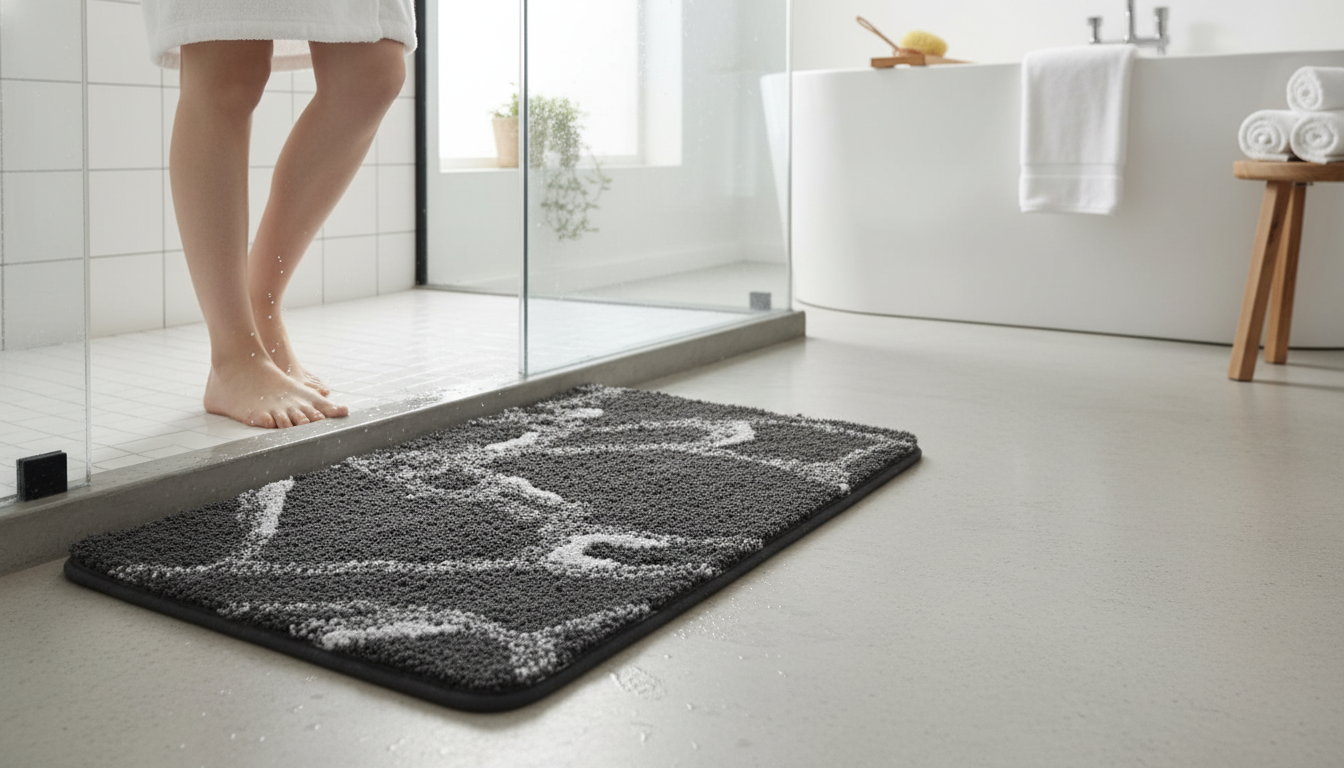
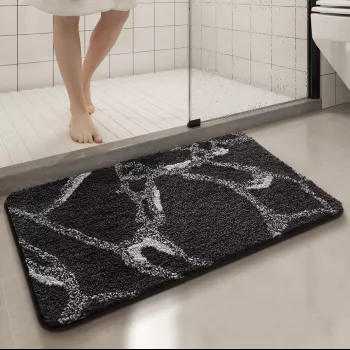
Soft Microfiber Non-Slip Bath Mat – Quick Dry Bathroom Rug
A bath mat should feel comfortable underfoot, stay put on smooth floors, and dry quickly between showers. The Soft Microfiber Non-Slip Bath Mat – Quick Dry Bathroom Rug is designed to absorb water, reduce slick spots near the tub or shower, and add a warm, cushioned step to daily routines.
What Makes a Bath Mat Feel Better Every Day
- Soft microfiber surface that feels plush after a shower or bath
- Quick-drying construction that helps the mat feel fresher between uses
- Non-slip backing intended to reduce shifting on common bathroom flooring
- Low-effort upkeep so the mat can stay in regular rotation
Small upgrades like a softer pile and better drying performance can make the bathroom feel more comfortable—especially in homes where the mat gets used multiple times a day.
Feature Snapshot
This rug focuses on comfort, grip, and drying performance for busy bathrooms. It’s designed for typical placement outside a shower, tub, or sink area, and works well as a primary bath rug or as an extra mat near high-splash zones.
At-a-glance overview
| Feature | Why it matters | What to look for in use |
|---|---|---|
| Microfiber softness | Comfort underfoot | Plush feel without feeling scratchy when damp |
| Absorbency | Helps reduce puddles | Surface that picks up water quickly after stepping out |
| Quick dry performance | Helps limit lingering moisture | Dries between showers with normal ventilation |
| Non-slip backing | Helps reduce sliding | Stays stable on clean, dry, smooth floors |
| Easy care | Simplifies hygiene | Washable and able to recover softness after drying |
Comfort and Texture Underfoot
Microfiber is popular in bath textiles because it can feel gentle while still handling everyday moisture. The pile is designed to create a soft, cushioned step—helpful when the first contact of the morning is cold tile or stone. If a household prefers a softer, more welcoming bath rug rather than a flat woven mat, microfiber is a natural fit.
That comfort isn’t only about softness. A thicker-feeling surface can make quick routines (washing hands, brushing teeth, skincare) feel less rushed, since you’re standing on something warm and forgiving rather than a hard floor.
Absorbency and Quick-Dry Use in Real Bathrooms
Water tends to collect right where you don’t want it: the spot where you step out of the shower, the line between the tub and the vanity, or the area where kids splash during bath time. An absorbent bath mat helps capture those droplets before they spread across the room.
Quick-drying materials can be especially helpful in shared bathrooms. When multiple people shower back-to-back, a mat that releases moisture faster feels better to use and is less likely to stay clammy. For best results, spread the mat flat after use and allow airflow in the room—running a vent fan or cracking the door can make a noticeable difference.
Reducing lingering dampness can also support a fresher bathroom environment. For practical guidance on moisture and mold concerns, the U.S. Environmental Protection Agency’s overview of mold basics is a helpful reference: https://www.epa.gov/mold/mold-basics.
Non-Slip Support and Safer Placement
A bath mat that shifts underfoot can be more than annoying—it can increase the risk of a slip when you’re stepping out wet. Non-slip backing is intended to help the rug stay in place on smooth bathroom floors, particularly when it’s positioned correctly.
- Place the mat on a clean, dry surface for better contact and stability.
- Avoid positioning it on top of another rug, which can reduce grip.
- If the floor is frequently wet, drying the floor spot before placement can improve hold.
It’s also worth remembering that bathroom falls are common and prevention is about multiple small habits working together—good lighting, clear pathways, and stable footing. The CDC provides general safety information on fall risks here: https://www.cdc.gov/falls/.
Where This Rug Works Best
- Outside the shower or tub: helps reduce tracked water and keeps feet warm.
- In front of the sink: adds comfort during grooming routines and longer get-ready sessions.
- Near a vanity or storage area: useful where small splashes are common (skincare, filling containers, kids washing up).
- In guest bathrooms: adds a clean, welcoming finishing touch with minimal effort.
If you’re outfitting a larger bathroom, many people like using a main rug by the tub plus a smaller “splash zone” mat by the sink. That layout can keep the room feeling drier without constantly swapping towels on the floor.
Care and Cleaning for Softness and Freshness
Bath rugs do a lot of work: they catch water, collect lint, and sit near humid air. Regular washing helps manage moisture-related odors common to bath textiles and keeps the pile feeling comfortable.
Matching with Bathroom Style and Daily Routine
In-Stock Picks to Round Out Your Home Setup
- Soft Microfiber Non-Slip Bath Mat – Quick Dry Bathroom Rug
- 10W Dual USB Fast Charger Adapter for Smartphones & Travel Use
- High-Brightness Rechargeable Waterproof Bike Headlight
FAQ
How can a bath mat dry faster between showers?
Hang or drape it over a tub edge or towel bar to increase airflow, and run the exhaust fan if you have one. Avoid leaving it bunched up, and make sure the floor beneath is dry so moisture isn’t trapped underneath.
Do non-slip bath mats work on all bathroom floors?
Grip depends on a clean, dry, smooth surface, so textured tile, dusty floors, or wet surfaces can reduce effectiveness. Test placement in your bathroom and keep the underside clean to help maintain contact.
How often should a bath rug be washed?
In many homes, washing every 1–2 weeks works well, but shared bathrooms or humid spaces may need more frequent cleaning. Wash sooner if it develops odor, stays damp longer than usual, or shows visible buildup, and always follow the care label.









Leave a comment