Roomy Cowhide Leather Tote: Capacity, Packing & Care
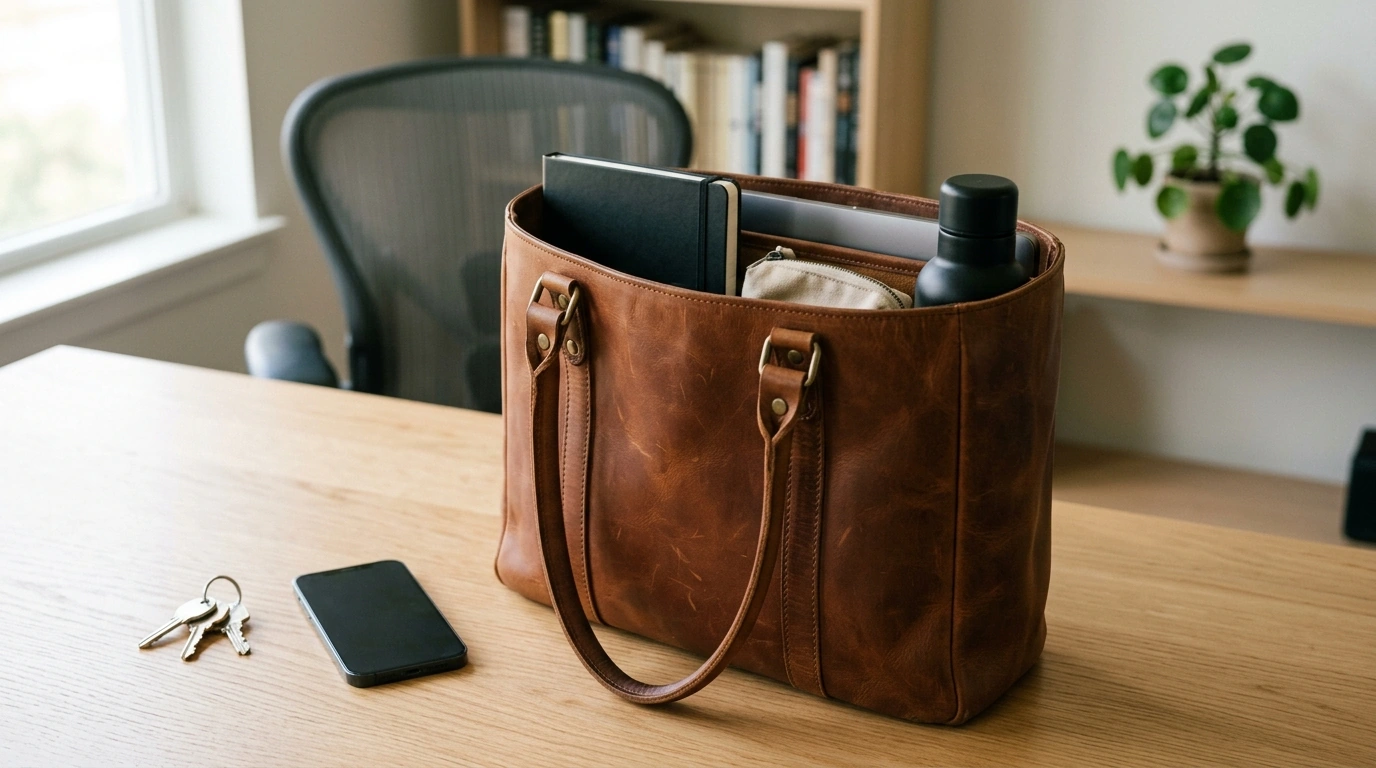
High-Quality Genuine Cowhide Leather Tote Bag – Large Capacity for Everyday Carry
A tote bag earns its place by doing two things well: carrying more than expected and still looking polished. Our high-quality genuine cowhide leather tote is built for days when a “just the essentials” bag isn’t enough—work items, daily necessities, and the extras that keep plans flexible. Below is a practical guide to choosing a roomy leather tote, organizing it so it stays comfortable to carry, and keeping cowhide looking better over time. For more guidance, see fes tote bag cowhide leather black.
What “large capacity” means in real life
Large capacity is less about one oversized, floppy compartment and more about how easily your daily load stacks without bulging or distorting the bag’s silhouette. A great everyday tote should handle a full-day lineup—wallet, keys, phone, water bottle, makeup pouch, small tech, a book or notebook—with breathing room for unexpected add-ons. For further reading, see Genuine Leather Tote Bag Top Grain Cowhide Zippered ….
Structure matters for speed and wear. When a tote stays upright and balanced when you set it down, packing is faster, finding items is easier, and you avoid the constant slumping that can stress seams and corners. Capacity also includes carry comfort: a bag that technically holds a lot but becomes awkward on your shoulder defeats the purpose. Plan around what you carry most days, not just the maximum you can cram inside.
Why genuine cowhide leather works so well for a daily tote
Cowhide is valued for durability and resilience—ideal for a bag that’s used frequently, set down often, and expected to keep up with changing routines. Natural leather also develops character with use, creating a lived-in finish that still reads elevated with everyday outfits.
For day-to-day practicality, leather’s surface is often easier to wipe clean than many textiles, and regular care helps it stay supple while reducing visible dryness. If you’d like broader care guidance, the Library of Congress guide to leather care is a helpful reference. And for readers interested in responsible leather practices across the industry, the Leather Working Group (LWG) explains standards and auditing.
Packing and organizing a roomy tote so it stays easy to carry
A large tote feels best when the weight is stable and the interior stays predictable. Our team recommends a simple routine that prevents shoulder strain and keeps your bag from turning into a “black hole.”
Use the base-layer method
Place heavier, flatter items at the bottom first—think notebook, planner, or a pouch—so they create a stable base. When your base is level, everything above it shifts less and the tote maintains a clean, structured line.
Group small items into pouches
Cosmetics, chargers, pens, and other small essentials belong in pouches. This reduces clutter and protects the lining from leaks or ink marks, and it also prevents you from digging for tiny items at the bottom.
Keep high-frequency items at the top
Your phone, keys, and cardholder should be easy to grab without unpacking the whole bag. Even when you’re carrying more than usual, quick access is what keeps a large tote feeling effortless.
Avoid overstuffing
Leather looks best when it has structure. If the top won’t close comfortably or the sides start bowing outward, rotate non-essentials out into a secondary pouch or leave them behind for the day.
| Item category | Examples | Packing tip |
|---|---|---|
| Essentials | Phone, keys, cardholder, sunglasses | Keep in a small top pouch, and always return them to the same spot. |
| Personal care | Hand cream, lip balm, tissues, sanitizer | Use a wipeable pouch to contain spills and residue. |
| Work or study | Notebook, planner, documents | Lay flat against the back panel to support the bag’s shape. |
| Tech | Power bank, charging cable, earbuds | Bundle cords to avoid tangles; keep weight centered for balance. |
| Day-to-day extras | Water bottle, snack, compact umbrella | Place upright near a side so the load doesn’t roll and shift. |
How to keep cowhide leather looking better over time
Small habits make the biggest difference with cowhide. A quick wipe with a soft, dry cloth helps remove dust before it settles into the grain. If your tote gets damp, blot (don’t rub), gently reshape it, and air-dry it away from direct heat. Lightly stuffing the interior with paper while it dries helps it hold its form.
Condition occasionally with a leather conditioner suited for finished leather, and spot test first in a discreet area. For storage, give the tote space—avoid compressing it in a crowded closet so the leather isn’t forced into deep creases that become permanent over time.
Choosing the right tote for your routine
Featured picks from our store
High-Quality Genuine Cowhide Leather Tote Bag – Large Capacity
Alviero Martini Prima Classe Women’s Beige Bag with Zip
FAQ
How do you clean and condition a genuine cowhide leather tote bag?
Wipe it regularly with a soft, dry cloth, and spot-clean as needed with a slightly damp cloth. If it gets wet, blot, reshape, and air-dry away from heat; condition occasionally with a suitable leather conditioner after spot testing.
How can a large-capacity tote stay comfortable when it’s fully packed?
Keep heavier items flat at the bottom, center the weight, and use pouches to prevent shifting. Avoid overstuffing and rotate out non-essentials so the bag stays balanced and easier on your shoulder.
Will genuine cowhide leather soften over time?
Yes—cowhide typically relaxes and becomes more pliable with regular use. Gentle conditioning and proper storage help maintain suppleness while supporting the bag’s shape.









Leave a comment