Best Smart Toilets for Low Water Pressure: Strong Flush
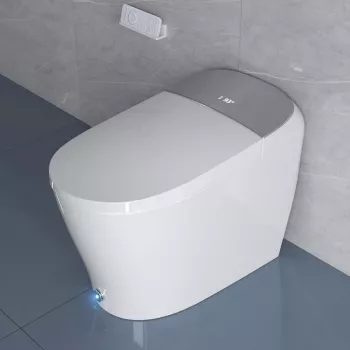
Smart Toilet Comfort and Control for Homes with Low Water Pressure
Low water pressure can turn an otherwise modern bathroom into a daily frustration. A smart toilet designed with a powerful flush system and automated features can help deliver consistent performance while adding comfort upgrades like hands-free operation and customizable wash functions. For older plumbing, multi-story layouts, and well systems, choosing the right flush technology matters as much as the luxury features.
Why Low Water Pressure Causes Flush Problems
When supply pressure is weak or inconsistent, the toilet may not refill or flush with enough force to reliably clear the bowl. That can create a chain reaction: a weaker flush leaves more behind, which increases the odds of a second flush, slow recovery, and occasional clogs.
- Weak refills can reduce the energy available to clear the bowl and move waste through the trapway.
- Pressure drops are common in older plumbing, multi-story homes, well systems, and during peak household usage.
- Symptoms to watch for: incomplete clears, double flushing, slow tank/bowl refill, and occasional clogs even with normal use.
- A smart toilet built for low-pressure situations typically relies on assisted flushing (pump/boost) or optimized flow paths rather than gravity alone.
Before blaming the toilet alone, it helps to check basics like partially closed shutoff valves or debris in supply filters—small restrictions can have an outsized impact when pressure is already marginal.
What Makes a Powerful Flush in a Smart Toilet
A strong smart-toilet flush isn’t just about “more water.” It’s about delivering the right amount of water, at the right speed, through a bowl and trapway designed to evacuate efficiently—even when incoming pressure varies.
- Assisted flush design: mechanisms that increase flush force or improve siphon action even when supply pressure is inconsistent.
- Efficient bowl and trapway geometry: smoother paths, better glazing, and optimized trapway size help prevent hang-ups.
- Consistent refill and rinse: steady water delivery around the bowl improves cleanliness and reduces streaking.
- Clog-resistance features: larger or smoother trapway pathways and stronger evacuation reduce the need for a plunger.
- Practical consideration: confirm power requirements (many advanced flush/auto features rely on electricity) and plan for a nearby outlet.
For water efficiency guidance, it’s worth reviewing EPA WaterSense toilet resources, which outline performance and conservation expectations for modern fixtures.
Auto Features That Make Daily Use Easier
Once flush reliability is handled, smart features can make the bathroom feel cleaner, more accessible, and more comfortable—especially in households with kids, guests, or anyone who prefers touch-free operation.
- Automatic lid and seat operation: reduces touchpoints and improves accessibility for kids, guests, and mobility-limited users.
- Auto flush options: hands-free flushing after use; look for adjustable sensitivity and manual override.
- Heated seat and warm-air drying: adds comfort, especially in colder climates or drafty bathrooms.
- Deodorization and ventilation: helps keep the bathroom fresh without constant sprays.
- Night light and status indicators: safer navigation in the dark and clearer prompts for settings or maintenance.
Build quality and compliance also matter. Organizations such as IAPMO publish plumbing code and product certification information that can help when comparing fixture categories and installation expectations.
Quick Feature Check for Low-Pressure Bathrooms
If low pressure is a known issue, focus on flush performance first, then confirm you can actually install and power the unit the way it was designed to operate.
At-a-glance checklist
| What to verify | Why it matters in low-pressure homes | What to look for |
|---|---|---|
| Flush assistance or optimized siphon design | Improves clearing power when supply pressure drops | Assisted/boosted flush, strong evacuation design, clog-resistant trapway |
| Manual override | Ensures usability during power or sensor issues | Button/lever backup, clear instructions |
| Refill consistency | Reduces double flushing and bowl streaking | Reliable refill behavior and effective rim rinse |
| Power and safety | Many smart functions require electricity | Accessible outlet, GFCI where applicable, tidy cable routing |
| Cleaning convenience | Smart toilets have more surfaces and features | Easy-clean coatings, removable nozzle, self-clean cycles |
Installation Notes for Older Plumbing and Low Pressure
Older bathrooms can absolutely support a modern smart toilet, but planning ahead prevents the most common surprises—especially around fit, shutoff reliability, and electrical access.
If you’re comparing fixture standards or materials, an overview of ASME A112.19.2 / CSA B45.1 can be a helpful reference point for common plumbing fixture requirements.
Featured Option
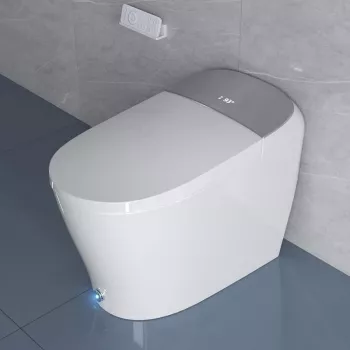
- Smart Toilet with Powerful Flush and Auto Features for Low Water Pressure: designed to pair a strong flush approach with hands-free convenience. Shop Smart Toilet with Powerful Flush and Auto Features for Low Water Pressure.
- Best fit for: households that want modern comfort features but need dependable clearing performance when pressure isn’t ideal.
- Buying considerations: verify bathroom measurements, confirm outlet availability, and review included parts for installation.
If you’re setting up a nearby charging spot for bathroom electronics (phones, grooming devices, or accessories), a compact adapter can help keep outlets organized: 10W Dual USB Fast Charger Adapter for Smartphones & Travel Use.
FAQ
Will a smart toilet work if the home has low water pressure?
Yes, but results depend on the flush system design. Models built for low-pressure situations often use assisted flushing or optimized hydraulics, and a clean, fully open supply valve helps maintain consistent performance.
Do automatic flush and lid features still work during a power outage?
Most automatic functions rely on electricity, so they may be limited during an outage. A manual flush or override is important for basic usability; confirm the product’s fail-safe behavior in its documentation.
What should be checked before installing a smart toilet in an older bathroom?
Confirm the rough-in measurement, inspect the shutoff valve and supply line condition, and plan for an outlet (often GFCI) where required. Also ensure there’s enough space for the lid and seat to open without hitting a wall or door.










Leave a comment