Stop Cat Peeing on the Couch: Fix Litter Box Issues
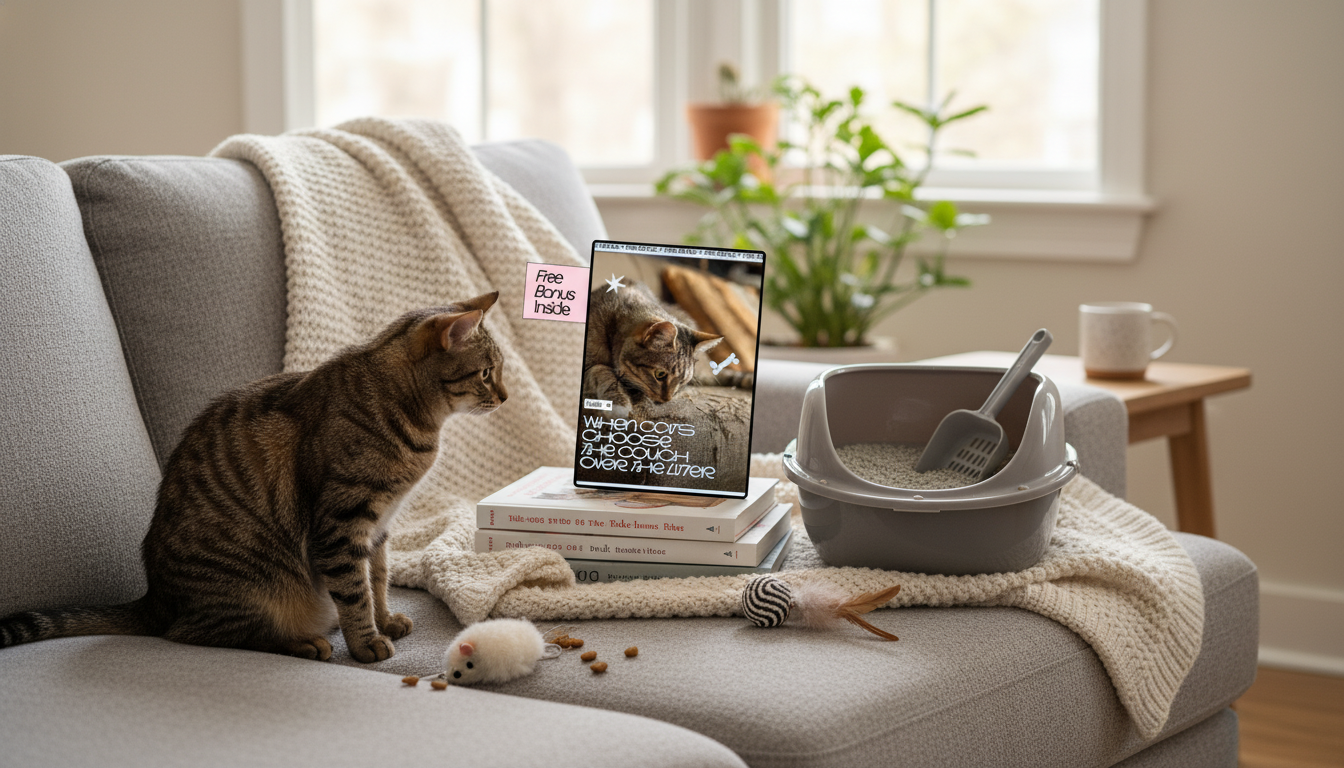
When Cats Choose the Couch Over the Litter: A Practical Guide to Stopping Peeing Outside the Box
A cat that suddenly urinates on the couch, bed, or rugs isn’t being “spiteful.” It’s usually a signal: pain, stress, a litter box setup problem, or a learned preference for a different spot. The goal is to figure out which category you’re dealing with, then make the litter box the easiest, safest, and most comfortable option again—while protecting furniture and lowering tension at home.
Start With Safety: Rule Out Medical Causes First
Any new or worsening litter box accident deserves a prompt veterinary exam, especially if urination becomes frequent, painful, strained, bloody, or your cat seems lethargic. Urinary discomfort can quickly teach a cat to avoid the box—because they associate it with pain—so early treatment matters.
Common medical contributors include urinary tract infection, feline lower urinary tract disease (FLUTD), bladder stones/crystals, kidney disease, diabetes, arthritis (difficulty stepping into a box), and cognitive changes in seniors. Cornell’s overview of FLUTD is a helpful primer on why symptoms can look similar even when causes differ: Cornell Feline Health Center — FLUTD.
Before the appointment, track what you’re seeing: frequency, volume, location, posture, vocalizing, repeated box visits, water intake, and any recent changes (diet, litter, visitors, moving, new pets). If your cat is male and straining with little to no output, treat it as an emergency due to the risk of urinary blockage.
Clues That Help Separate Medical vs. Setup vs. Stress-Related Accidents
| What you notice | More likely | What to do today |
|---|---|---|
| Frequent small spots, straining, crying, licking genital area | Medical discomfort | Vet appointment ASAP; provide extra water; keep boxes very accessible |
| Large puddles, normal appetite, prefers one soft surface (couch/bed) | Litter box aversion or surface preference | Deep-clean soiled area; add a second box; try litter/box adjustments |
| Accidents begin after a change (new pet, move, schedule shift) | Stress or territorial insecurity | Increase safe spaces; add boxes; use calm routines; consider pheromone support |
| Pees near box but not in it, or on bath mats next to it | Box is uncomfortable (dirty, small, painful entry) | Scoop immediately; switch to low-entry larger box; ensure quiet location |
| Spraying on vertical surfaces (walls/furniture legs) with tail quiver | Territorial marking | Neuter/spay check; add resources; block sightlines; behavior plan |
Identify the Pattern: Peeing, Spraying, or Both?
Peeing usually leaves a horizontal puddle and can soak deep into cushions or carpet padding. Spraying is typically a smaller amount on vertical surfaces (walls, chair legs), often paired with a tail quiver. While both can happen in the same home, the solutions can differ.
Pay attention to location. Couch corners, beds, and laundry piles often point to soft-surface preference or lingering odor. Doorways, windows, or “edge” areas of the home can suggest territorial stress. Timing also matters: right after a loud noise, when another cat uses the box, or when a new person enters the home can signal anxiety-driven behavior.
Use a simple 7–14 day log: date/time, exact spot, puddle vs. spray, nearby triggers, litter box cleanliness, and any tense cat interactions. If you’re using your phone to track patterns (especially while juggling cleanups), a reliable wall adapter can help keep notes consistent; the 10W Dual USB Fast Charger Adapter for Smartphones & Travel Use can be handy for keeping devices topped off during a reset period.
Fix the Litter Box Setup: Comfort and Consistency
Many “out of the box” problems improve dramatically when the setup becomes easier than the couch.
For best-practice guidance on litter box needs and feline-friendly home setups, the American Association of Feline Practitioners (AAFP) is a solid reference point.
Address Stress, Conflict, and Territory in Multi-Cat Homes
For more on why cats eliminate outside the box and how to troubleshoot common triggers, see International Cat Care — Inappropriate Elimination.
Stop Repeat Offenses: Odor Removal and Furniture Protection
A Step-by-Step Reset Plan (7–14 Days)
A Guided Workbook for Litter Box Problems
A structured approach helps pinpoint the trigger—medical, setup, stress, or habit—without changing too many variables at once. If you want a clear checklist-and-log format to stay organized and measure progress, consider When Cats Choose the Couch Over the Litter (digital guide). It’s especially useful when multiple people share cat-care duties and need one consistent plan.
FAQ
Why is a cat suddenly peeing on the couch?
The most common reasons are medical discomfort, litter box aversion (box size, location, cleanliness, or litter type), stress/territory changes, or residual odor that “invites” repeat accidents. Start by checking for medical red flags, add/clean boxes, use an enzymatic cleaner on the couch, protect the area temporarily, and track patterns for 1–2 weeks.
How many litter boxes are needed for two cats?
A common guideline is three boxes total: one per cat plus one extra. Place them in different areas so one cat can’t guard access and so each cat has an easy option when the other box was just used.
What is the best way to remove cat urine smell so it doesn’t happen again?
Use an enzymatic cleaner designed for pet urine, fully saturating to the same depth the urine reached (often through fabric into foam or padding), then let it air-dry completely. Avoid ammonia-based products, repeat treatments if needed, and use washable covers during retraining to prevent new odor buildup.











Leave a comment