Unicorn Ceramic Incense Burner for Home Tea Rituals
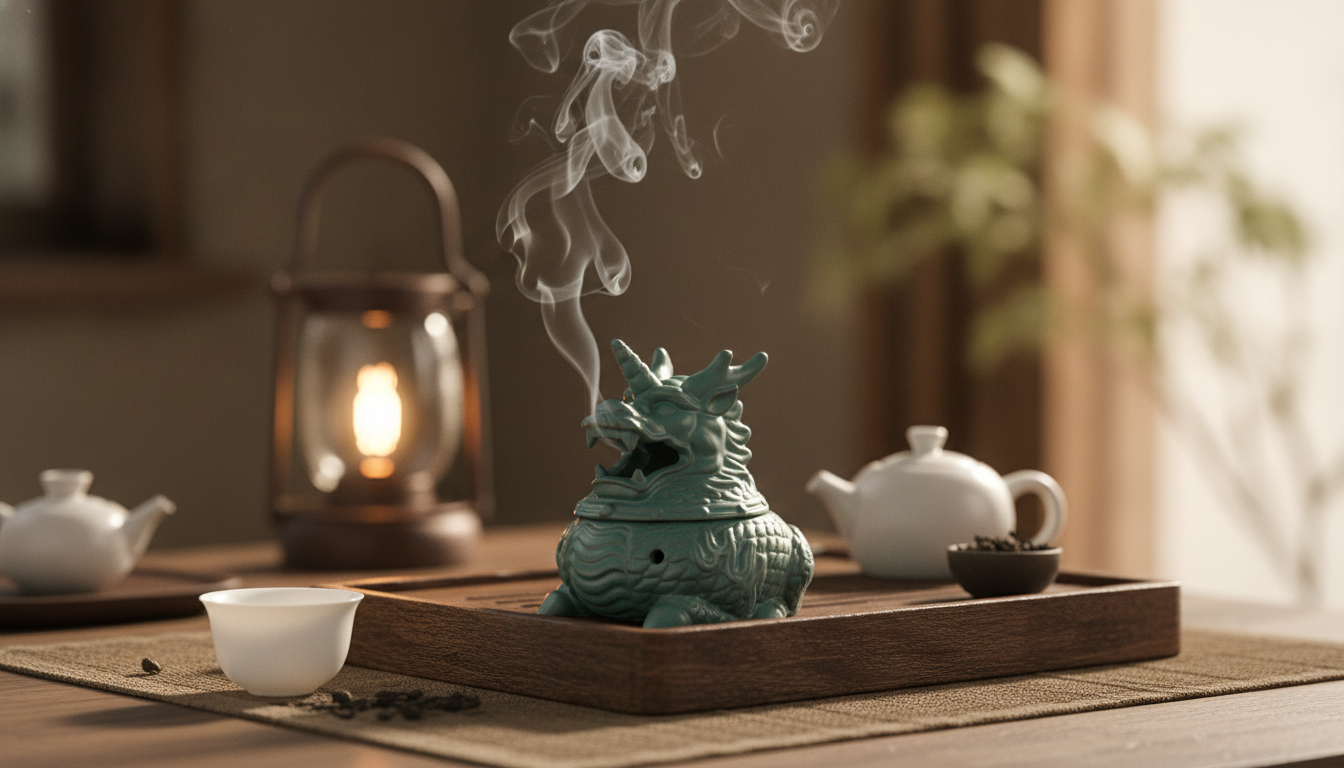
A ceramic incense burner can turn a quiet corner into a small ritual space—especially during tea time. This unicorn-shaped piece blends whimsical decor with a practical holder for incense, helping create a calm, fragrant atmosphere while keeping ash more contained than open burning. Below is a clear look at what it is, how to use it during a home tea ceremony, and how to keep it clean and safe.
What This Burner Adds to a Home Tea Ritual
Tea rituals often feel best when there’s a steady rhythm: warm the teaware, measure the leaves, pour with intention, and pause between cups. A ceramic incense burner adds a subtle sensory “frame” around that rhythm, giving the room a consistent scent backdrop that complements slow preparation and mindful breathing.
- Creates a consistent scent atmosphere that pairs well with calm steeping and quiet pauses.
- Functions as a decor accent even when not in use, fitting cozy shelves, tea trays, and meditation corners.
- Encourages a simple start-to-finish routine: light incense, warm teaware, pour, breathe, reset.
- Helps define a dedicated tea space so everyday brewing feels more intentional.
Because the design is sculptural, it can feel like a small centerpiece rather than a purely utilitarian tool—useful when setting a tone for guests or simply making solo tea time feel more special.
Design, Material, and Build Details
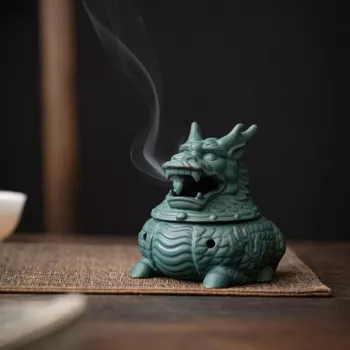
This style of burner is made with a ceramic body, which is valued for heat resistance when used correctly on a stable, non-flammable surface. The unicorn form brings a playful look, but it’s also practical: a defined spot for incense helps keep burning centered, and glazed surfaces are typically easier to wipe clean than porous materials that can trap scent and residue.
- Ceramic body offers heat resistance suitable for incense use when placed on a stable, non-flammable surface.
- Sculptural unicorn form acts as a centerpiece; best displayed where airflow won’t blow ash around.
- Glazed ceramic surfaces are typically easier to wipe clean than porous materials.
- Works well in small spaces: tea table, entryway console, or bedside shelf (with extra ventilation and safety).
How to Use It During a Tea Ceremony at Home
A good setup lets the fragrance stay present without overtaking the tea itself. Positioning matters as much as the incense choice.
- Set the burner slightly behind or to the side of the tea tray so aroma drifts gently instead of flowing directly across the cups.
- Light the incense a few minutes before the first pour to let the initial smoke settle and the scent soften.
- Choose one scent per session to avoid competing notes that distract from the tea’s natural aroma.
- Keep a small dish nearby for spent matches, and let the burner cool completely before moving it.
If the session includes multiple infusions, consider burning for a shorter window at the beginning (or between rounds) rather than continuously—this keeps the scent fresh and prevents “nose fatigue” that can dull tea tasting.
Picking Incense Scents That Pair Well With Tea
Incense should support the experience, not dominate it. The easiest way to keep balance is to match intensity to the tea’s aroma.
- Delicate teas: Choose light, clean profiles like sandalwood, cedar, or subtle florals.
- Darker teas: Warm resins like frankincense, myrrh, or gentle amber-style blends can work well—use lightly so they don’t overpower.
- Evening wind-down: Herbal notes such as lavender or chamomile-inspired blends help signal “slow down” time.
- If the tea is highly aromatic, choose a quieter incense or burn for a shorter time to keep the tea’s fragrance in focus.
As a simple rule: if you can smell the incense strongly from across the room, it may be too intense for attentive tasting. Dial back with shorter burns, a lighter incense style, or more ventilation.
Placement, Ventilation, and Fire Safety
Any open ember needs thoughtful placement. Keep the burner on a flat, heat-safe surface away from anything that could catch fire, and treat incense like a candle: never leave it unattended.
For general guidance on indoor air considerations and safe home practices, review resources from the U.S. Environmental Protection Agency (EPA) — Indoor Air Quality and the National Fire Protection Association (NFPA) — Home Fire Safety.
Cleaning and Care for Ceramic Incense Burners
Quick Specs and Use Guide
| Category | Recommendation | Notes |
|---|---|---|
| Best placement | Stable, heat-safe surface | Keep away from airflow that can push ash |
| Session timing | 10–20 minutes to start | Adjust based on room size and comfort |
| Scent pairing | Woody/light resin for tea | Avoid overpowering aromas during tasting |
| Ventilation | Fresh air exchange | Open a window slightly if smoke feels dense |
| Cleaning | Soft cloth + mild soap | Avoid abrasive pads to protect glaze |
| Storage | Dry, dust-free shelf | Keep incense separately to prevent scent transfer |
When It Makes a Thoughtful Gift
Shop In-Stock Favorites
- Ceramic Unicorn Aromatherapy Incense Burner for Home & Tea Ceremony
- Alviero Martini Prima Classe Women’s Beige Bag with Zip
- Dolce & Gabbana Gold Charm Necklace with Carretto Pendants and Crystals
FAQ
What type of incense works best with a ceramic incense burner like this?
Use the incense format that matches the burner’s holder style (commonly sticks or cones) and keep it centered so ash falls where intended. For tea sessions, lighter scents and steadier burns help maintain a calm backdrop without overpowering the cup.
Is it safe to use an incense burner during a tea ceremony indoors?
Yes, when used with ventilation, placed away from flammables, and never left unattended. Keep it out of reach of children and pets, and consider shorter burn times or lighter incense if anyone is sensitive to smoke.
How do you clean soot or incense residue off glazed ceramic?
Let the burner cool fully, then wipe gently with a soft cloth and mild soap if needed. Avoid abrasive pads or metal tools that can scratch the glaze, and dry completely before the next use.








Leave a comment