Baby Boy Summer Romper Sizing: Quick Fit Guide

How do I choose the right size baby boy romper for summer?
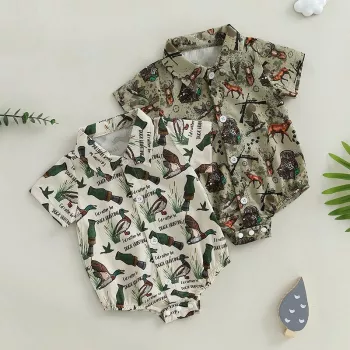
Start with your baby’s current measurements, then choose a romper size that leaves a little breathing room for heat, movement, and fast growth. Summer rompers should feel light and easy—snug enough to stay in place, but not so tight that they trap sweat or restrict kicking.
1) Measure, then compare to the brand’s size chart
Use a soft tape measure and note your baby’s height and weight first. If you can, add chest and torso length (shoulder to crotch) since rompers rely on body length more than many separates. Always check the specific product’s size chart—sizes like 3–6M can vary by brand.
2) Prioritize length and diaper room
A summer romper that’s too short can pull at the shoulders or ride up over a diaper, causing chafing. Look for a fit that allows the crotch to sit comfortably without tension, with enough space for a daytime diaper (or a slightly bulkier overnight diaper if you’ll use it for naps).
3) When between sizes, usually size up for summer
If your baby is near the top of a size range or you’re unsure, sizing up often works best in warm weather. A slightly roomier romper improves airflow and helps prevent heat rash. Just make sure armholes and leg openings still sit comfortably without gaping so much that they rub.
4) Check the closures and stretch
Snaps along the inseam make diaper changes easier and can give a bit more flexibility in fit. If the fabric has minimal stretch (like some woven cottons), avoid a tight fit; if it’s a soft knit with good stretch, you can choose closer to measurements without losing comfort.
5) Do a quick comfort test once it’s on
After dressing your baby, lift his arms gently and let him kick—there shouldn’t be pulling at the shoulders or tightness at the thighs. You should be able to slide a finger under elastic edges without leaving deep marks.
For more tips on summer-ready fabrics, features, and romper styles, visit the complete guide to the best baby boy summer rompers.
FAQ
What fabric is best for a baby boy romper in hot weather?
Lightweight cotton, bamboo viscose, and linen blends are popular for summer because they breathe well and feel soft against skin. Look for airy weaves or lightweight knits and avoid heavy, heat-trapping fabrics.








Leave a comment