Introducing Pets to Children: Safe, Gentle First Meetings
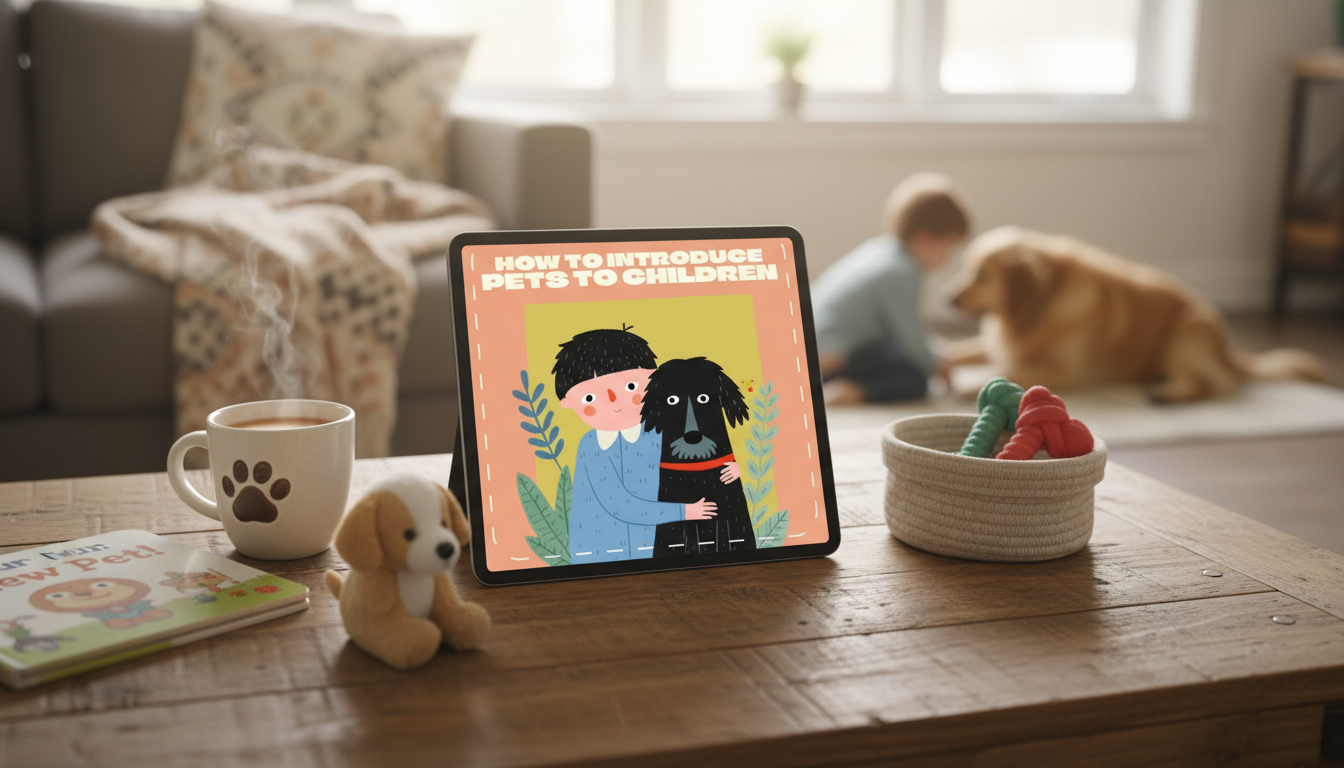
How to introduce pets to children?
Safe introductions work best when they’re slow, supervised, and built around teaching kids what “gentle” really looks like. Before your child meets the pet, set simple rules: use a quiet voice, walk (don’t run), ask an adult before touching, and keep hands away from the pet’s face, food, and toys.
Start by preparing the environment. Give the pet a calm “escape” space—like a crate, bed, or separate room—where kids are not allowed to follow. Remove high-value items that can trigger guarding (bones, favorite toys, food bowls). If you’re meeting a new pet, schedule introductions when the home is quiet and the pet has had a chance to decompress.
For the first meeting, keep it short and low-pressure. Have the child sit or stand still while an adult manages the pet. Let the pet choose to approach; never force contact. If the pet comes closer, show the child how to offer a closed fist to sniff and how to pet with slow strokes on the side of the body or chest—avoiding hugs, face-to-face contact, and head pats (often overwhelming for animals).
Supervision is non-negotiable, especially with toddlers. Watch both sides: a child’s sudden grab can scare even a tolerant pet, and a pet’s subtle stress signals can be easy to miss. Common warning signs include stiff body posture, pinned-back ears, wide eyes (“whale eye”), growling, hissing, or repeated attempts to move away. If you see these, end the interaction calmly and give the pet space.
Build positive associations over time. Pair your child’s presence with good things for the pet—treats delivered by an adult, gentle praise, calm play at a distance. Keep daily routines consistent (feeding, walks, litter box), and teach kids that respecting boundaries is part of loving an animal.
For a step-by-step safety checklist and age-appropriate guidance, see this safe pet introductions guide for kids.
FAQ
What are signs a pet is stressed around a child?
Look for attempts to move away, stiff posture, tucked tail, pinned ears, growling, hissing, or sudden stillness. End the interaction calmly and give the pet a quiet break.










Leave a comment